EN
EN

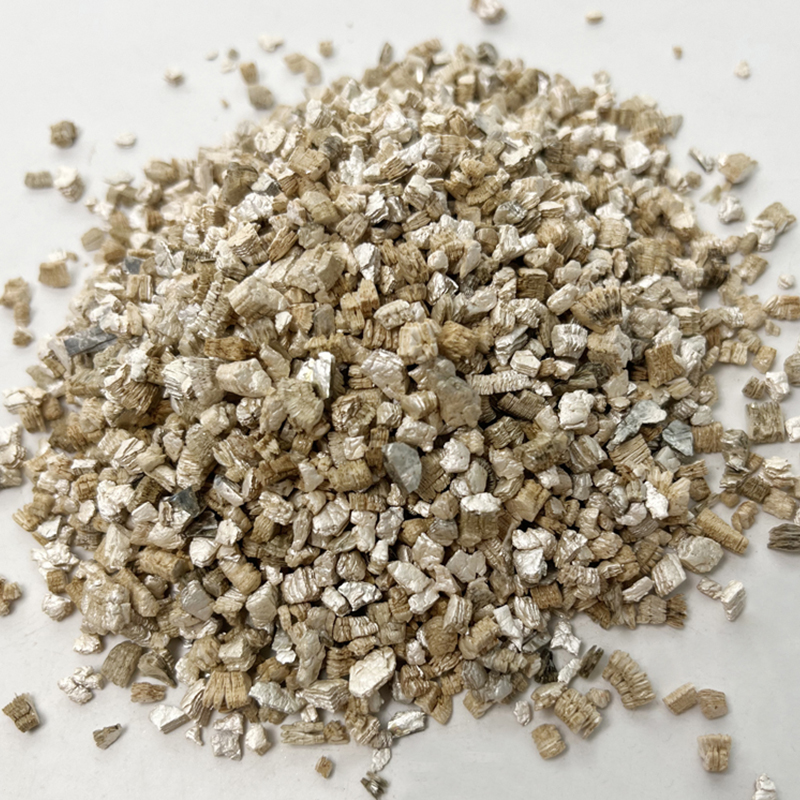
Selecting the Right Vermiculite for Ideal Root Formation
Without strong roots, plants cannot reach optimal growth, and root development is an underappreciated aspect of many growing mediums. One medium that is commonly bypassed is horticultural vermiculite, which can be very beneficial for the development of roots. Picking the best vermiculite is not about grabbing the first product on the shelf, and that means there is some knowledge about attributes such as particle size, expansion quality, and purity.
Importance and Functions of Vermiculite in Root Growth
Horticultural vermiculite, a natural mineral product that is expanded through heat to form a porous structure, is lightweight and allows for root penetration. As one of the most unique materials, vermiculite promotes healthy root formation as it’s layered structure can hold and retain moisture as well as nutrients and promotes the flow of air. Several studies backed by Agri science have proven that if these instruments are used, root vermiculite will help in the growth of young roots, the fibrous formation of younger roots, and their ability to absorb nutrients. Excellent vermiculite will be able to help balance the air in an optimal balance. This will help in the prevention of rotting and stunted growth of the roots. In many commercial operations that do propagation of cuttings and seedlings, there has been a noticeable increase in the quality of their root systems in comparison to the quality of their basic soil mix.
Matching Particle Size with Root Types
Vermiculite particle size is crucial to selecting the right grade. Seed starting and shallow-rooted plant growing success is linked to the use of fine-grade vermiculite, due to the gentle and uniform environment created, which supports delicate seedling root hair, and shallow-rooted plant root systems. Young plant transplanting, and container and general potting plant growing requires the use of medium-grade vermiculite, as it strikes the right balance between water retention and root system spread. For woody cuttings and other types of plants requiring quick drainage amps, as well as succulents and orchids, the use of coarse-grade vermiculite is ideal, as improved air circulation and decreased compaction are critical for supporting thicker root systems. On the other hand, growing small seeds requires a fine-grade vermiculite to retain ample moisture for the germination of the seeds while surrounding woody cuttings to avoid moisture retention issues that could result in rot.
Quality of Processing and Purity is Important
Potential contaminants and impurities that damage the quality of vermiculite along with organic and inorganic contaminants. Of the many impurities, clays and mineral salts (i.e. heavy) may also impact soil pH, and subsequently, the roots of plants and the growth of the plants as well by limiting the mineral nutrients that are available to the plants. High-quality vermiculite requires the producer to use best producer practice. For expanding vermiculite, they use controlled heating and a uniform screening along with a low conductivity (no low grade) will increase the salt sensitivity of young roots. Low-grade vermiculite has also been known to cause yellowing of leaves, other low-grade vermiculite has also been known not to encourage the development of roots of plants in commercial greenhouses. Providers who are credible will attain and use the pH, low impurities, and low clay particle size information to support their claim. Employing testing of encompassing goal achieving mixes is planned to prevent the unwanted expense of higher loss potential as well as demonstrating a higher quality containment environment for the purpose of supporting root growth development.
Ideal Conditions for Specific Root Goals
Vermiculite is seldom used alone. When it is combined with other substrates and materials, it can create the perfect growing environment for specific root goals. The typical mix used is vermiculite and one of the following substrates: Peat moss, coco coir, perlite, or compost. For example, during propagation, a mix of peat and vermiculite is necessary for root anchorage and for the retention of moisture. For the case of potted plants, vermiculite can be used with perlite to achieve the desired drainage and the retention of the water. In the case of heavy soils, vermiculite can be added to achieve better aeration, less compacted soil, and easier spreading of the roots. The right blend of mediums is dependent on the type of plant, the climate, and the watering habits. From practical experience, skilled growers are known to adjust ratios of each ingredient and mix differently for them to achieve better results over growing seasons and numerous projects of increasing complexity.
Vermiculite From a Reliable Source
Developing successful roots depends on the growing media being consistent and of good quality. Supply availability, quality, and custom order flexibility are critical for serious gardeners and commercial growers. Guangchengze gives professional horticultural vermiculite that has uniform grading, verifiable purity, and adjustable bulk volume. Flexible bulk volume and consistent quality is achieved through the company's integrated production with global logistics for consistent on time shipments. Consistently High quality professional vermiculite is critical for healthy plants from propagation to maturity and for the consistent rooting performance. The time and money spent on healthy vigorous root systems season after season is secured by using trusted sources for vermiculite.