EN
EN
Importance of Vermiculite in Contemporary Horticulture
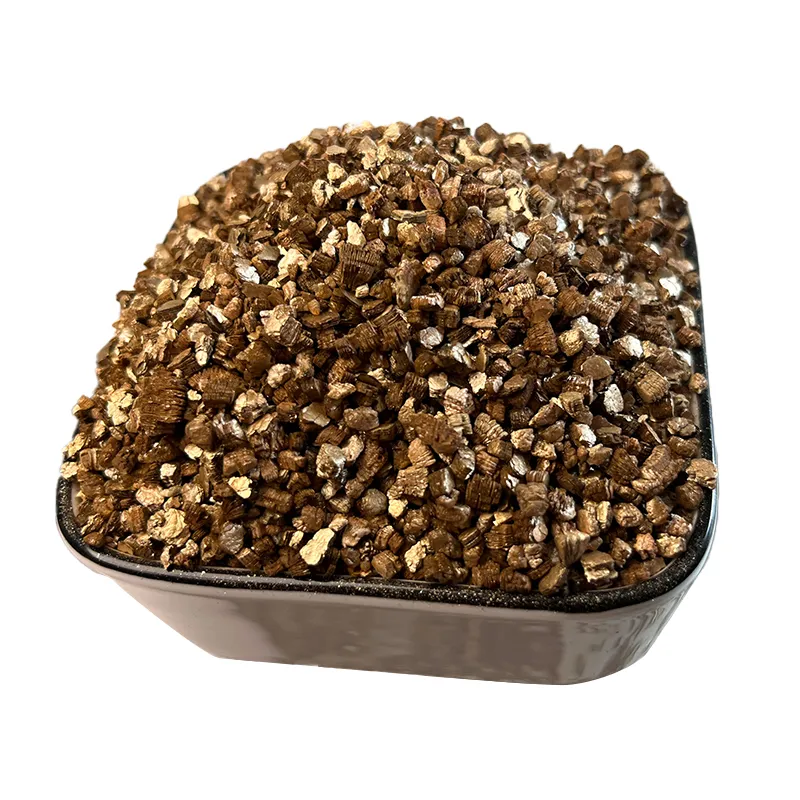
Vermiculite stands out as a premier commercial horticulture material. It is a naturally occurring mineral that expands four-fold when subjected to high temperatures. This results in a uniform and porous structure, which is incredibly lightweight and retains a high level of water. It is also compatible in a diverse with a multitude of commercial horticulture materials. This leads to an improvement in most characteristics of the horticulture medium: a decrease in the bulk density, an increase in the respiration and absorption of nutrients, and a decrease in root rot, especially when the medium is over watered. Vermiculite is widely used in commercial nurseries as the primary component of root growing medium, potting soil, and of all medium for cutting propagation. It’s consistent with planting experience that an appropriate amount of vermiculite enhances rapid seed germination and improved seedling survival by minimizing reliance on irrigation. It is a stable, non-toxic, and weed seed-free material leaving no residue or contamination of the culture of soilless media or protected agriculture.
Essential Factors for Choosing Quality Vermiculite
To begin with, there should be concern for the distribution of particle sizes. This is very important. When collecting seeds and seedlings, fine particles will do the job. Coarse and medium particles are ideal for potting mixes and improvement of soil.
Secondly, the ratio of vermiculite to other minerals is important and determines the quality of the sample. The higher the ratio of specific minerals, the greater the sample will weigh. The greater the ratio, the less the sample will weigh. The minerals will also retain moisture, thereby preventing the sample from losing moisture. These characteristics of the minerals will also reduce the transportation cost of the sample.
Lastly, chemical stability is of concern too. This is of prime importance. Legally, the horticultural vermiculite must be chemically consistent with the sodic saline (pH) of the soil and must have a stable saline (low EC) consistency of the soil. Also, there should be absence of heavy, harmful metals and other chemical impurities. These should not be present to ensure there is no detrimental impact on the plant roots or their natural growth. Generally, reputable suppliers normally will provide proof in the form of test laboratory reports to show their products are within the legal international standards for horticultural substrates.
Matching Vermiculite with Plant Types and Cultivation
Certain vermiculite products are used in different growing conditions and for different plant species. Fine-grained vermiculite is ideal in seedling and cutting propagation, as it evenly supplies moisture and provides a soft environment to allow the young roots to develop. Coarse-grained vermiculite, which may be beMixed with perlite and volcanic stone, is appropriate for growing media for succulents and other plant species that are less moisture loving, as it will enhance the drainage of the medium and prevent the growing environment from becoming too wet.In soilless cultivation systems, vermiculite can be used with coco coir, peat and other materials to create balanced substrate formulations. From experience, with a little effort, proper matching of products can improve the utilization of resources and subsequently reduce the cost of production.
Quality Control and Certification Standards for International Supply Stable quality and true reliability go hand in hand when it comes to cross-border horticultural procurement. The quality of the products should comply to both the national and international level of horticultural substrate standards for which there should be recognized test lab reports. The companies with the highest qualifications of credit certifications stand under the GB/T 23794-2023 standards. Such certifications include the quality of the product, level of service, how the contract is performed, and integrity in management. In the process of selecting the right suppliers, the buyers tend to analyze production, quality, and shipping records along with the after-sales support of the supplier in order to guarantee continuity and stability of the supply. Cost Efficiency and Supply Chain Advantages In the global supply chain, the reliability in the supply chain along with the cost efficient systems is key in determining the profitability of a project.The supply chain also requires a lot of professionalism to be able to meet parameters such as packaging, size of the product, and in some cases, the label can be customized as to the request of the final user. In the peak operational seasons, the long term partners are able to provide supply even when there is high demand to help mitigate project delays that could occur due to the shortage of materials.
Vermiculite Solutions for Sustainable Global Horticulture Projects
Professional suppliers with rich experience, considerable production capacity, and certified quality management can prove to be a game changer for international buyers running large-scale horticulture, nursery, and landscaping operations. Guangchengze has provided and exported horticulture substrate for more than two decades. Their production line is fully equipped with the latest technology available and a quality assurance system. Production meets the demanding standards of GB/T 23794-2023, earning the company multiple AAA ratings. The company’s vermiculite products support one-stop procurement and full cycle service. Global buyers can get consistent quality, timely delivery, and professional support that will improve competitiveness and facilitate sustainable development.