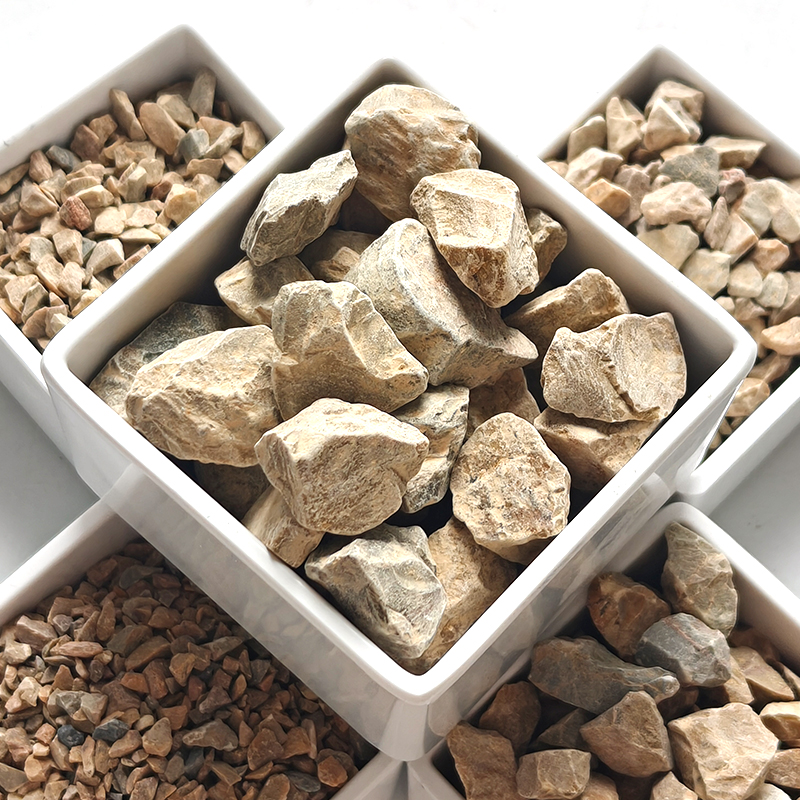
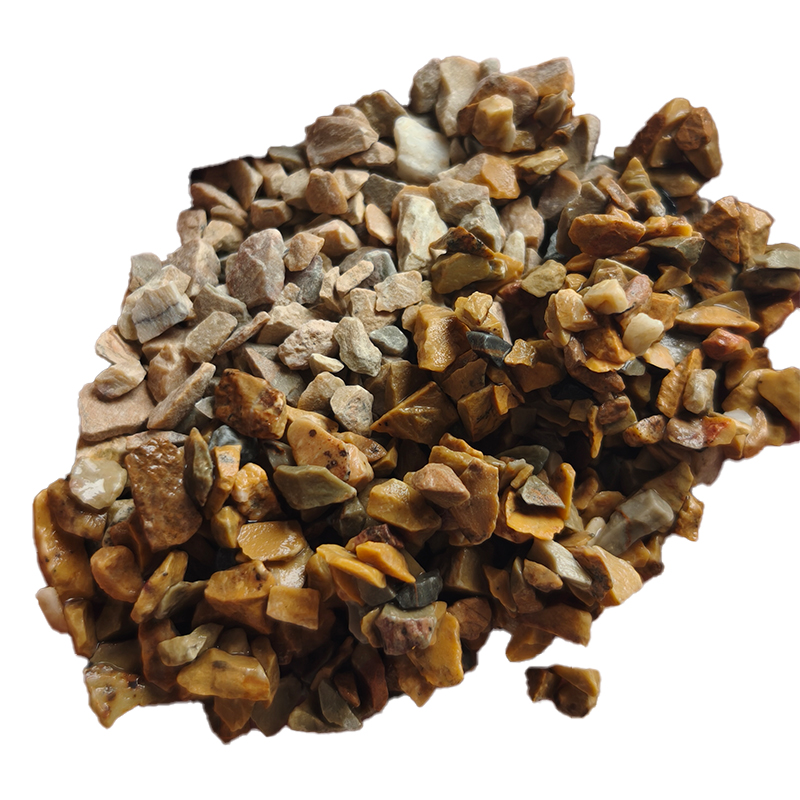
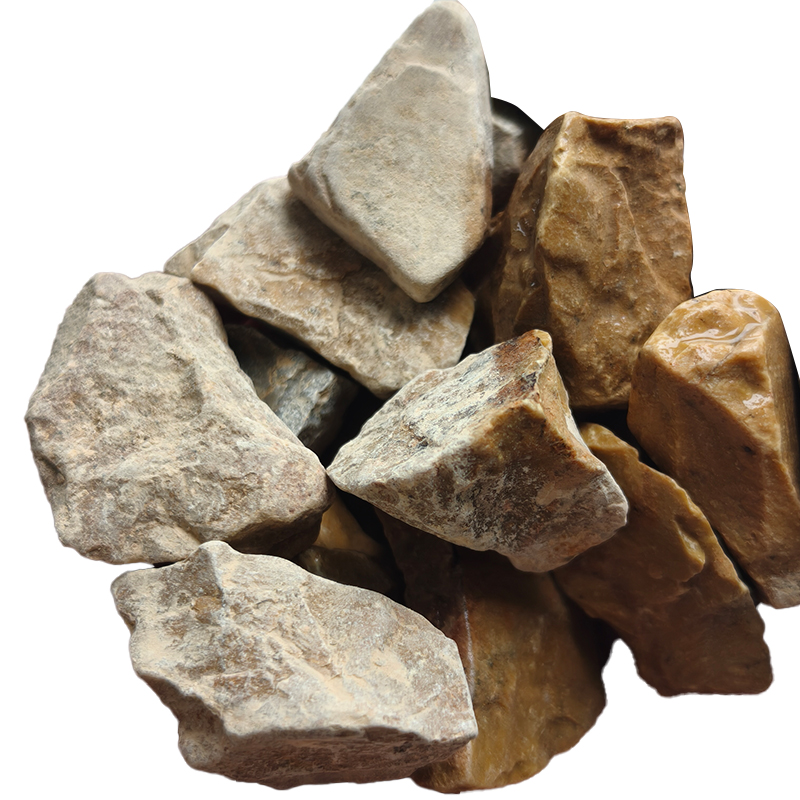
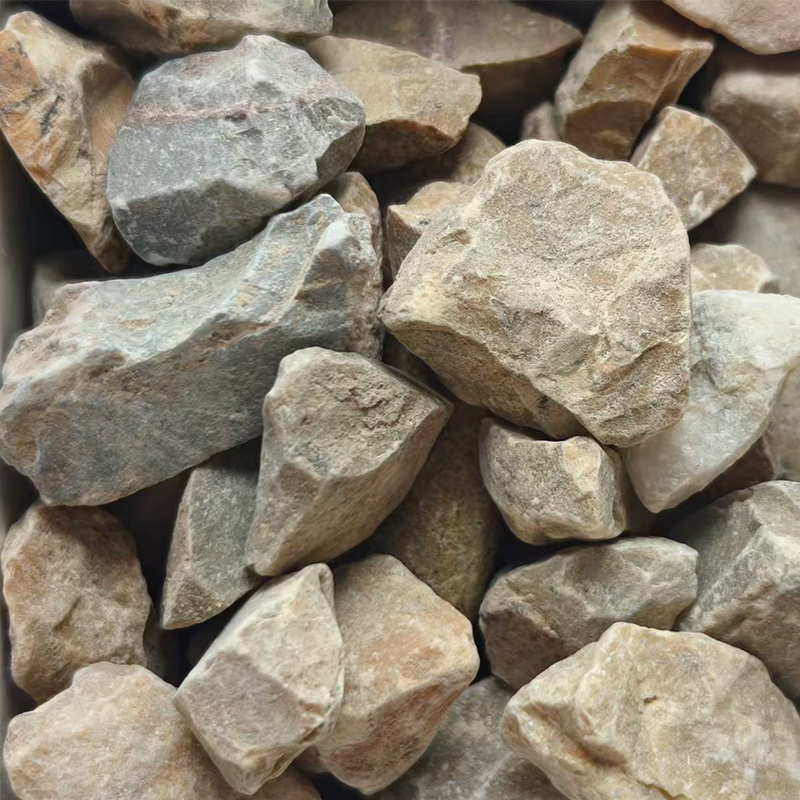
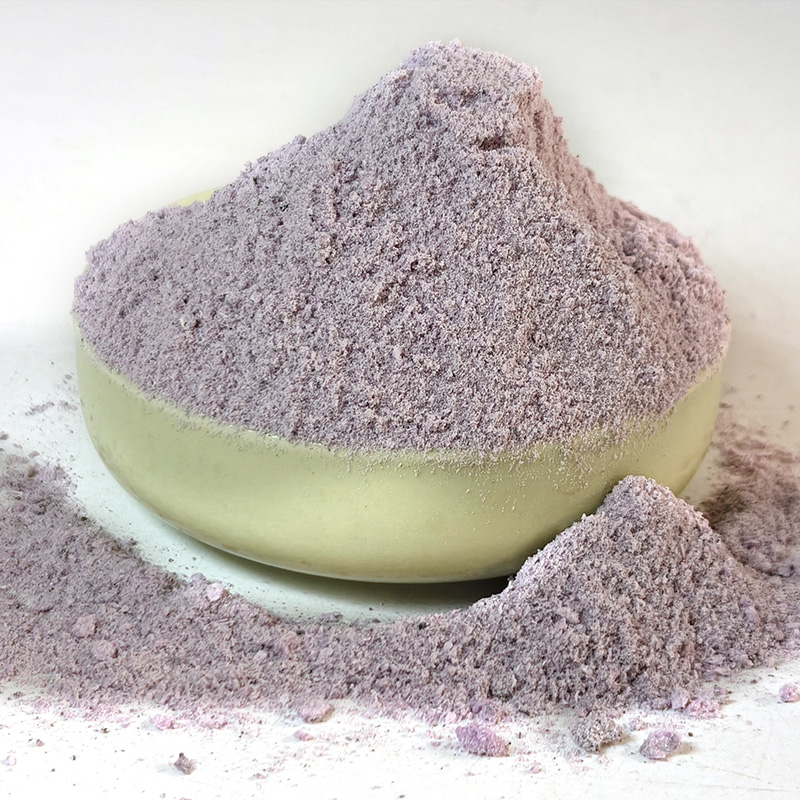
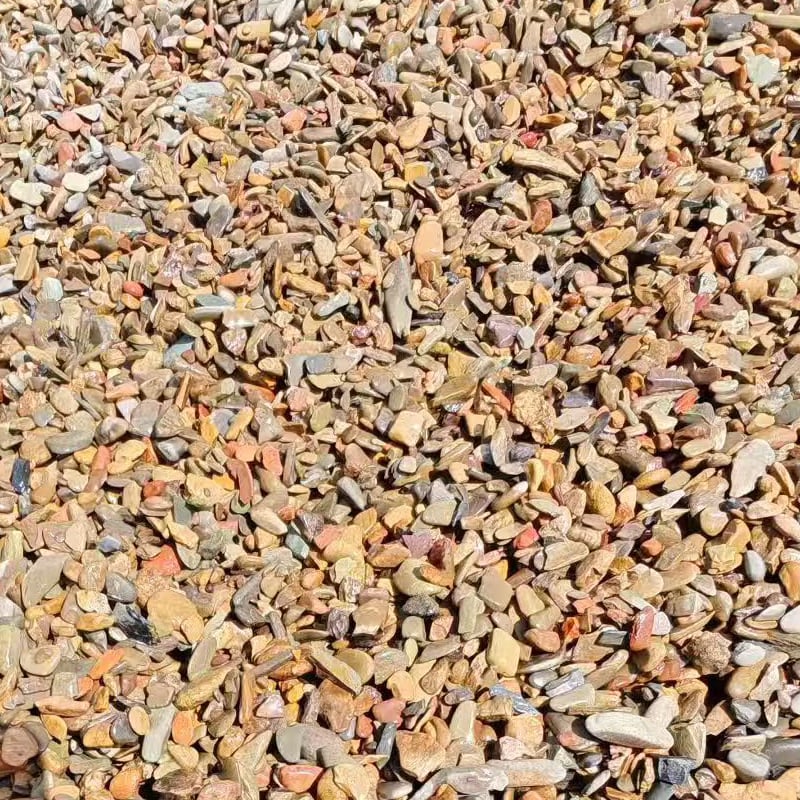
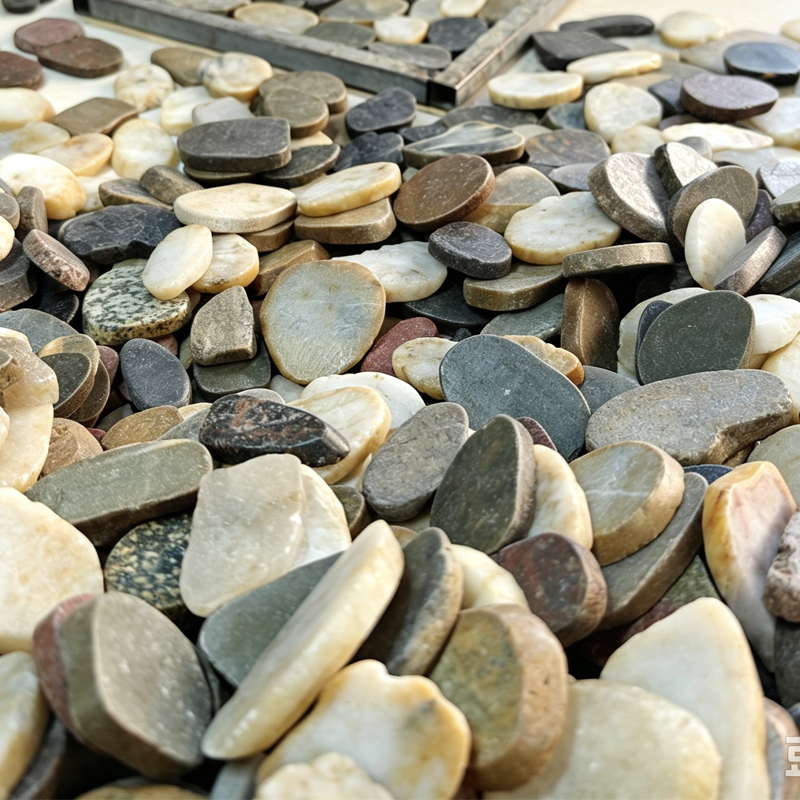
Product Name: Yellow Gravel
Brand: GCZ
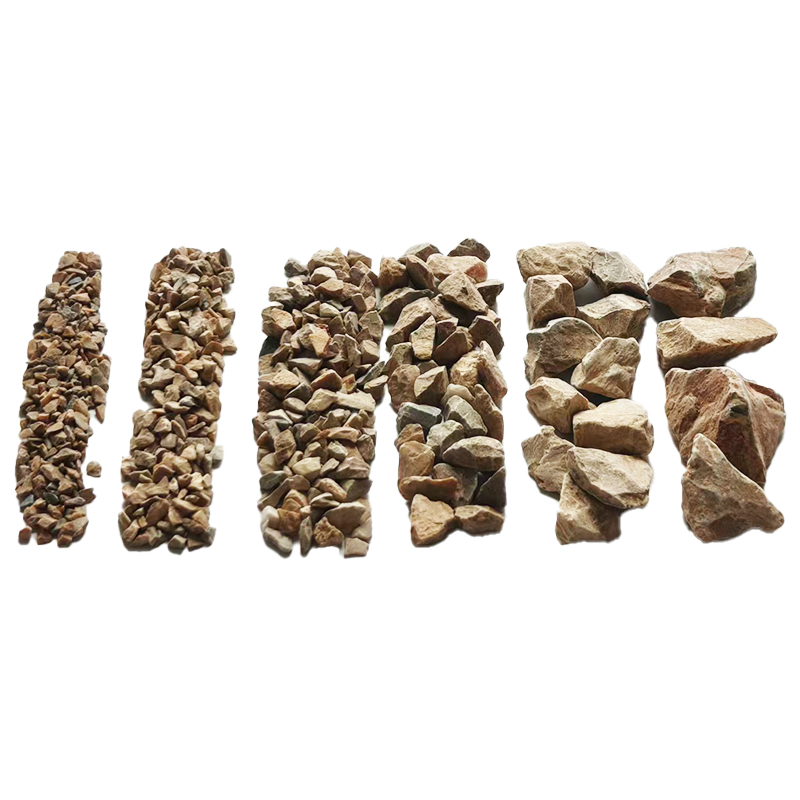
Size: 2-4mm 4-6mm 6-9mm 9-12mm 1-2cm 2-3cm
Packaging: Ton bags / Woven bags / Customized
Logo: Customizable
Samples: Available
Minimum Order Quantity (MOQ): ≥ 500 kg
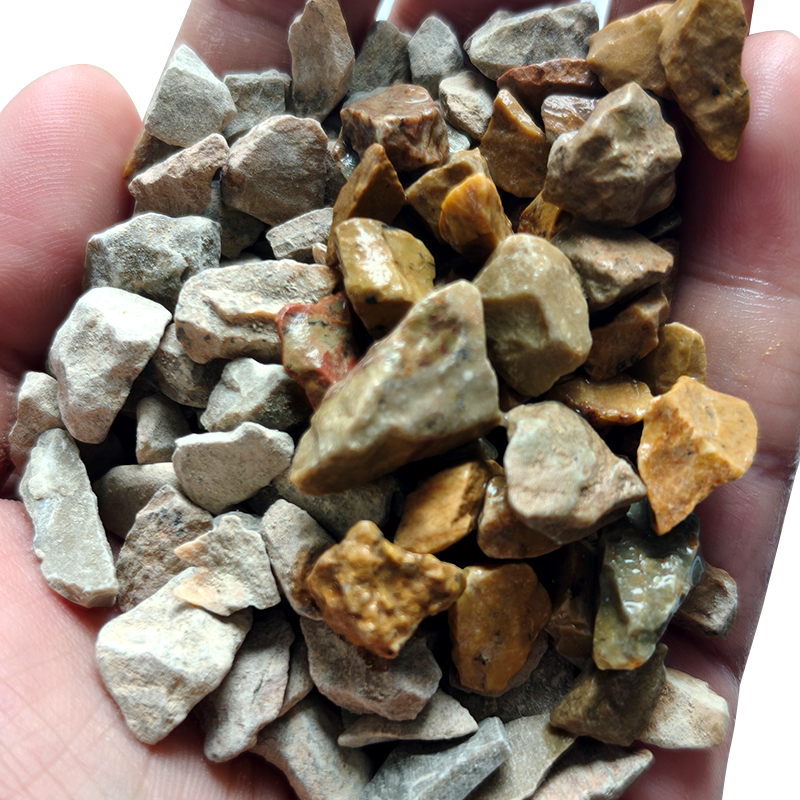
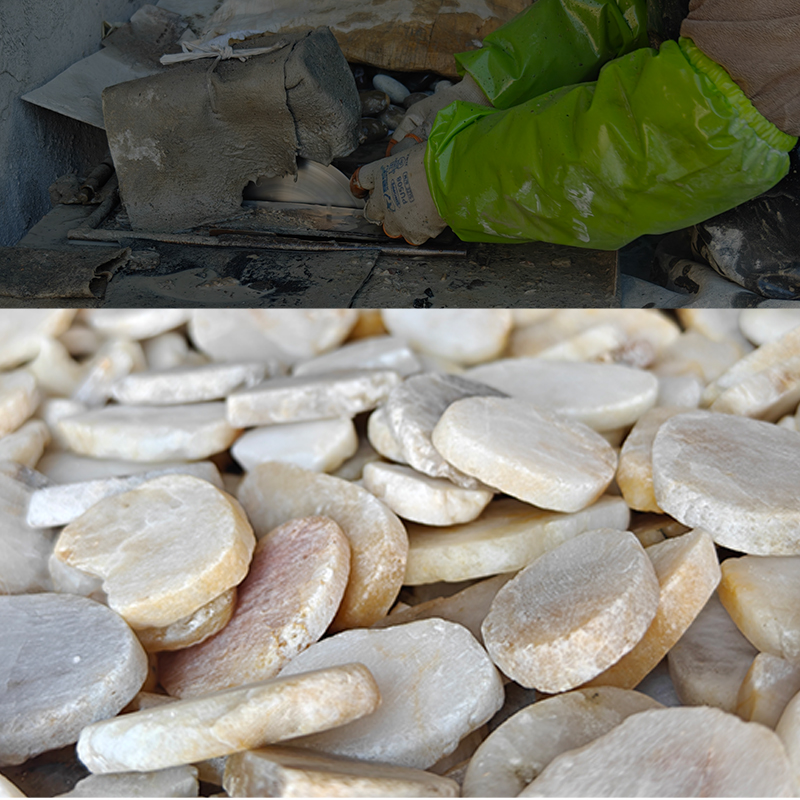
This yellow flooring gravel is crafted from selected natural yellow granite raw stone. It undergoes crushing, polishing, washing to remove dust, and precise grading and screening. The result is a uniform, soft, warm-yellow natural hue featuring subtle, inherent mineral textures. The product is entirely free from artificial dyes, chemical coatings, or wax treatments. The granules possess well-defined, regular edges and a comprehensive range of particle sizes; the stone is dense and hard, offering stable physical and chemical properties. Suitable as a core aggregate for flooring installations, it is also ideal for landscaping, gardening, and landscape engineering projects, serving as a popular choice for warm-yellow natural landscape aggregate in overseas residential flooring and garden landscaping.
| Specification | Value |
|---|---|
| Product Name | Yellow Gravel |
| Brand | GCZ |
| Size | 2-4mm 4-6mm 6-9mm 9-12mm 1-2cm 2-3cm |
| Packaging | Ton bags / Woven bags / Customized |
| Logo | Customizable |
| Samples | Available |
| Minimum Order Quantity | ≥500 kg |
Naturally warm-yellow hue with lasting color stability: The stone features an inherent warm-yellow base color with minimal variation between wet and dry states. It resists whitening and fading from prolonged exposure to sunlight, water immersion, or rain, while its warm tone complements a wide range of design styles, including modern, rustic, and Neo-Chinese aesthetics.
High-hardness granite substrate, wear-resistant and weather-durable: Naturally dense granite offers superior compressive strength and wear resistance. It withstands heavy foot traffic and outdoor exposure without crumbling, pulverizing, or cracking, offering a lifespan far exceeding that of ordinary crushed stone.
Angular granular structure ensures permeability and prevents soil compaction: The gaps between stacked granules facilitate rapid drainage and prevent water pooling, effectively avoiding soil compaction and clogging; it is ideal for permeable paving, dry creek beds, and tree pit drainage systems.
Eco-friendly physical processing—safe and pollution-free: Processed solely through crushing, washing, and screening, the material contains no harmful chemical additives or heavy metals, ensuring no secondary pollution when used near soil or water bodies.
Comprehensive range of particle sizes to meet diverse needs: Available in multiple specifications—including 2–4mm, 4–6mm, 6–9mm, and 9–12mm. Fine granules suit surface dressing for micro-landscapes; medium granules are ideal for paving and garden landscaping; and coarse granules serve as engineering base layers—making the product suitable for both retail consumers and large-scale engineering projects.
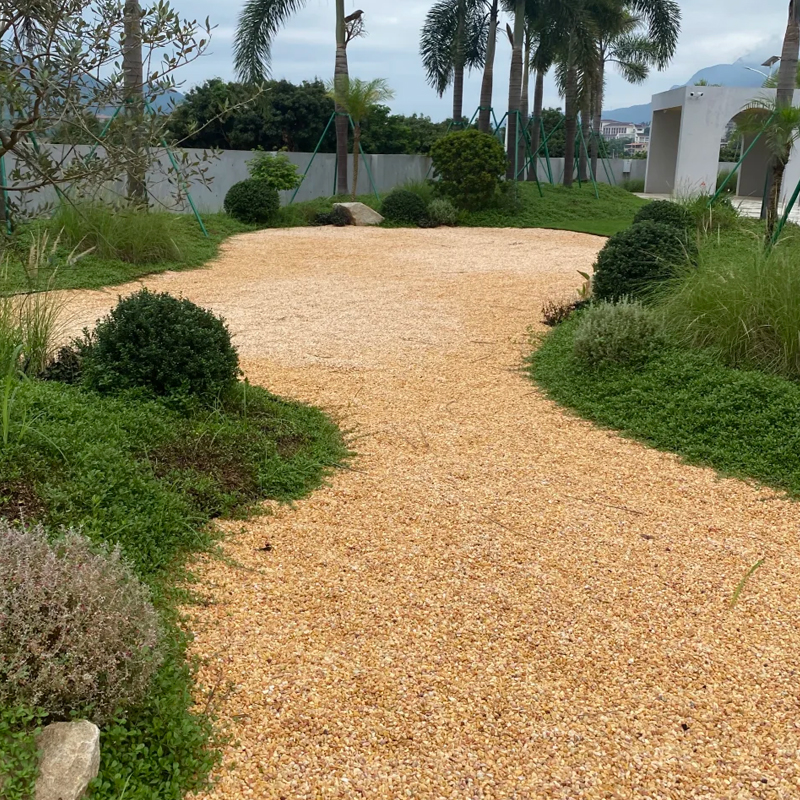
Flooring Projects: Specialized yellow aggregate for washed-stone flooring, epoxy terrazzo, permeable paving, and outdoor courtyard surfaces; a primary material for residential and commercial flooring installations.
Courtyard & Landscape Design: Materials for dry landscape (karesansui) gardens, dry creek beds, tree pit and flower bed surfacing, garden path edging, and landscape zoning accents.
Horticulture & Plant Care: Top-dressing for succulents, bonsai, and potted flowers; drainage layers for pot bases; soil amendments to improve heavy clay soil and prevent root rot caused by waterlogging.
Commercial Space Decoration: Landscaping base layers for homestays, cafes, sales center showrooms, and cultural tourism parks; foundational material for decorative "softscape" settings.
Indoor Micro-landscape DIY: Base aggregate for teahouse tabletop sandscapes, Zen water features, and miniature landscape bonsai.
Water Feature Accents: Surfacing for pond banks and the perimeters of ornamental pools to create a natural, organic aesthetic at the water's edge.
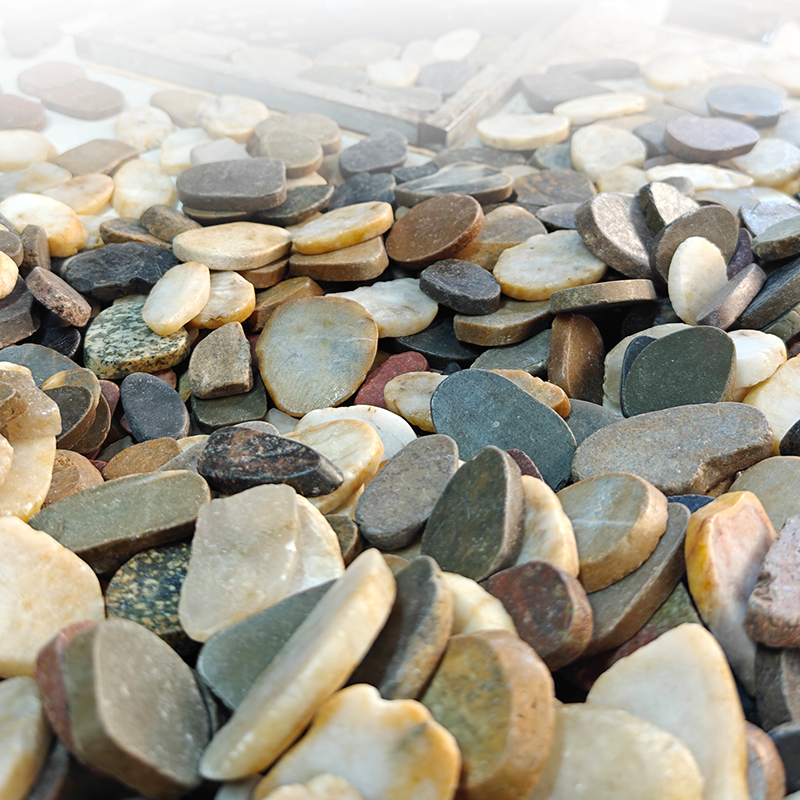
Q1: Is the yellow gravel artificially dyed? Will the color fade after soaking or prolonged outdoor exposure?
A: The yellow hue is the granite's natural mineral color; no spray painting, dyeing, or surface-enhancing processes are used. The color will not fade or turn white after cleaning, even with long-term water immersion or exposure to sun and rain, nor will it contaminate soil or water bodies.
Q2: Can it be used directly as aggregate for washed-stone finishes or permeable paving?
A: It is perfectly suitable. With its high granite hardness, it bonds stably with paving adhesives and offers excellent wear and crush resistance. It is a popular choice for yellow-toned paving aggregates and is available for large-scale engineering orders.
Q3: Is it prone to weathering or damage from constant foot traffic and exposure to the elements in outdoor courtyards?
A: This hard granite is frost-resistant, UV-resistant, and withstands rain erosion. It is highly durable and unlikely to crack, crumble, or weather, even with year-round use in open-air courtyards.
Q4: Will it compact or cause water pooling when used for paving over the long term?
A: The angular particles create sufficient drainage gaps, and a geotextile underlay prevents soil from rising up. This ensures long-term permeability and prevents water pooling or compaction.
Q5: Can it be used as a top dressing for flowerpots?
A: Yes. As a top dressing, it prevents muddy water splashes and inhibits fungus gnats (small black flies) from laying eggs; used at the bottom of the pot, it improves drainage and prevents root rot.
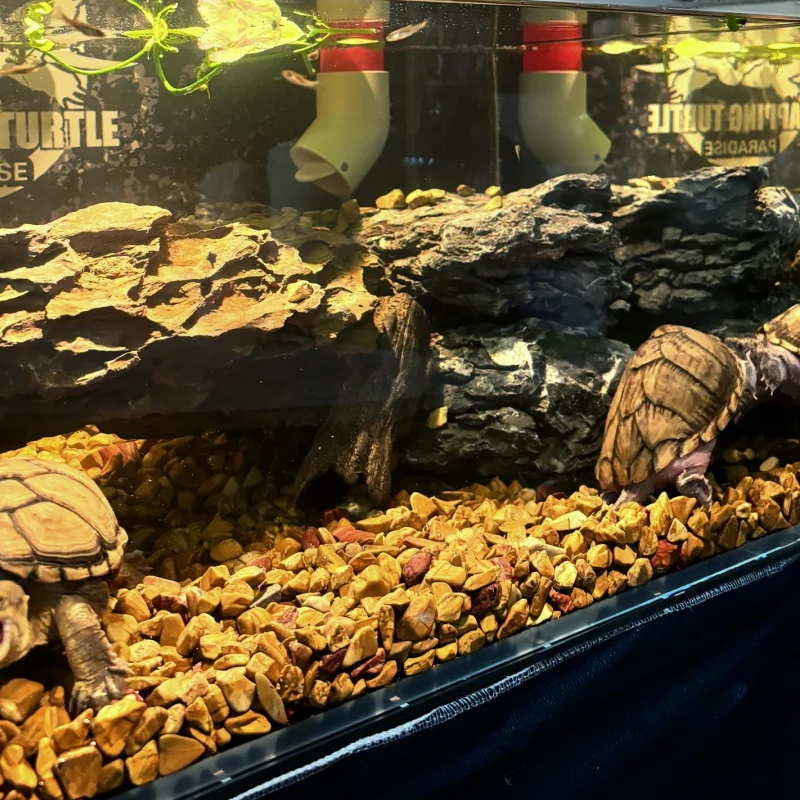
Q6: Can it be placed directly at the bottom of an aquarium for landscaping?
A: The material is chemically neutral but is best suited for landscaping the banks or perimeter of garden ponds. Because the particles are angular, placing them directly at the bottom of an aquarium is not recommended, as they could scratch the bodies of fish, shrimp, or turtles.
Q7: Is it normal to find a small amount of dust or silt upon delivery?
A: It is normal for small amounts of stone dust to remain from the crushing process. Simply rinse the gravel 2–3 times with clean water until the water runs clear, and it is ready for use.
Q8: Moss tends to grow in damp environments; how should it be cleaned? A: Prolonged exposure to standing water away from direct light may lead to slight algae or moss growth; simply scrub clean with a stiff-bristled brush and water, then let dry before reusing.

Building 3, Block H, Poly Garden, Chang'an District, Shijiazhuang City, Hebei Province
Copyright © 2026 by Hebei Guangchengze Import And Export Trading Co., Ltd. | Privacy policy
 EN
EN