- Brand: GCZ
- Shape: Square, Round
- Size: Customizable
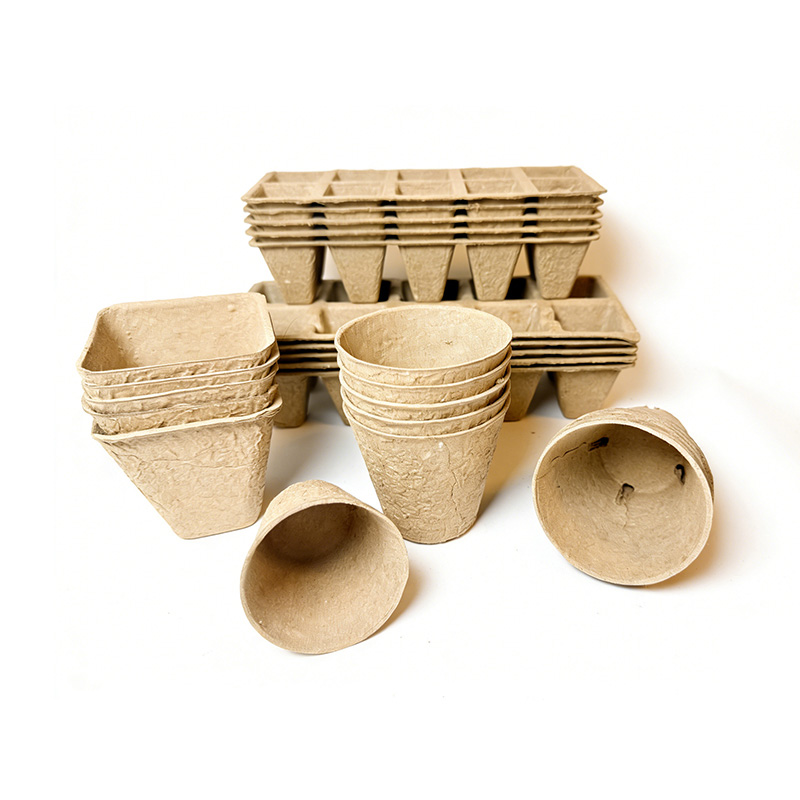
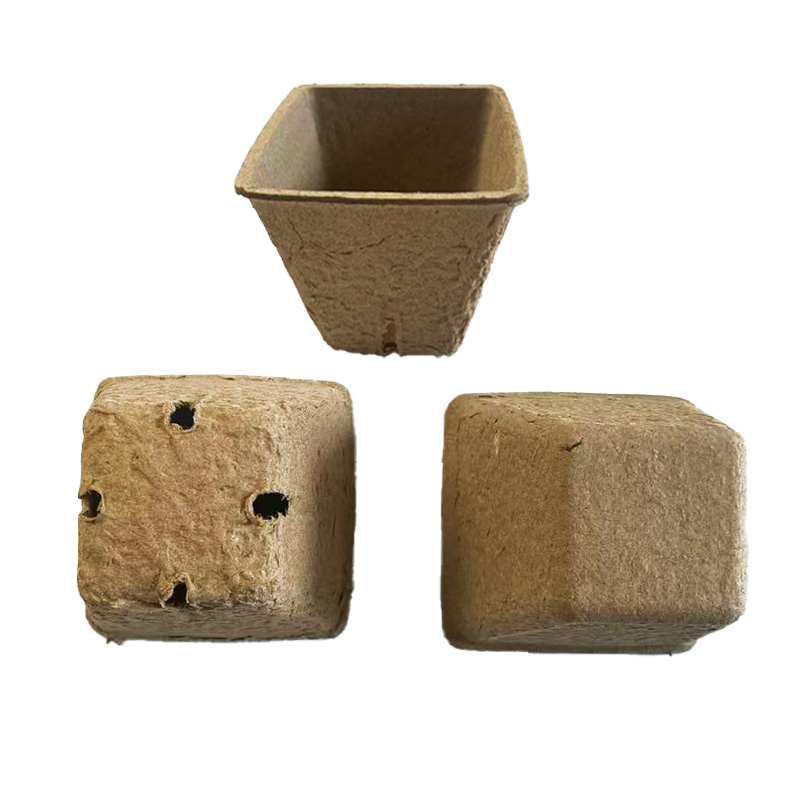
GCZ presents its Eco Biodegradable Paper Pulp Seedling Cups – a premium sustainable alternative to traditional plastic nursery containers that delivers exceptional plant health outcomes while supporting environmental responsibility. These seedling pots are manufactured from recycled plant pulp – including waste paper, recycled paper, and agricultural straw pulp from materials such as straw, reeds, and bagasse – through an efficient single molding process that minimizes energy consumption and material waste. The natural brown coloration reflects the product's pure, chemical-free composition, with no bleaching agents, artificial colors, or harmful additives used at any stage of production.
The defining characteristic of these seedling cups is their permeable and breathable micropore structure. Unlike impermeable plastic containers that trap moisture and restrict oxygen flow, the porous paper pulp walls allow for free movement of moisture and air. This breathability creates an optimal growing environment where roots receive consistent oxygen supply while excess water can drain freely, significantly reducing the risk of waterlogged soil and root rot. The porous nature of paper also promotes good water drainage and aeration, which supports robust root development.
The material composition of these seedling cups provides exceptional resilience during the nursery period. The heat-pressed, high-stiffness pulp construction withstands multiple watering cycles without sagging or collapsing – high-quality pulp pots can withstand 10 or more waterings while maintaining their structural integrity. This durability ensures that seedlings receive consistent support throughout their development, from germination through to transplant readiness.
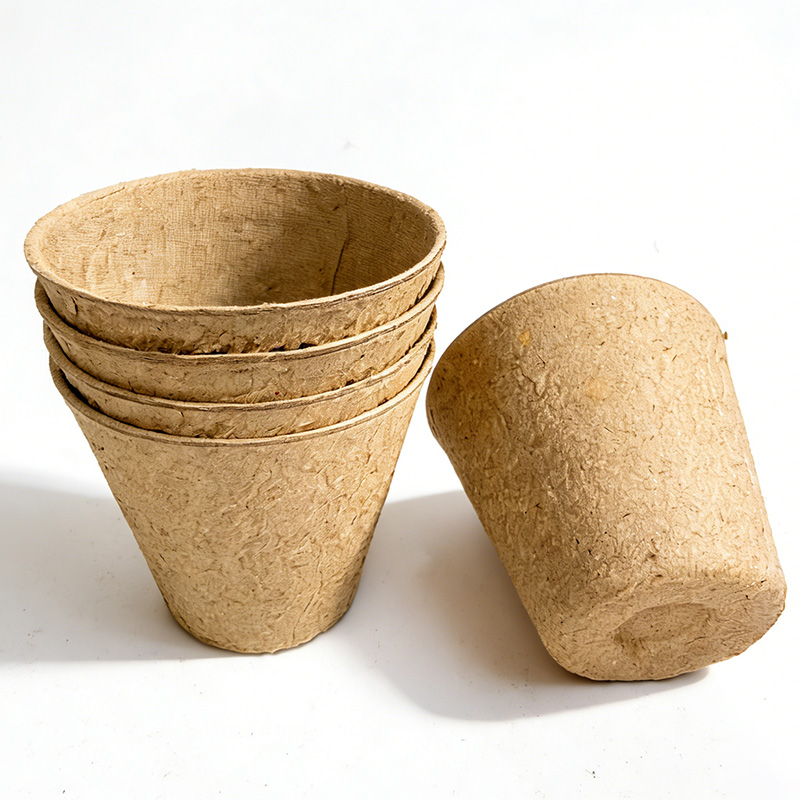
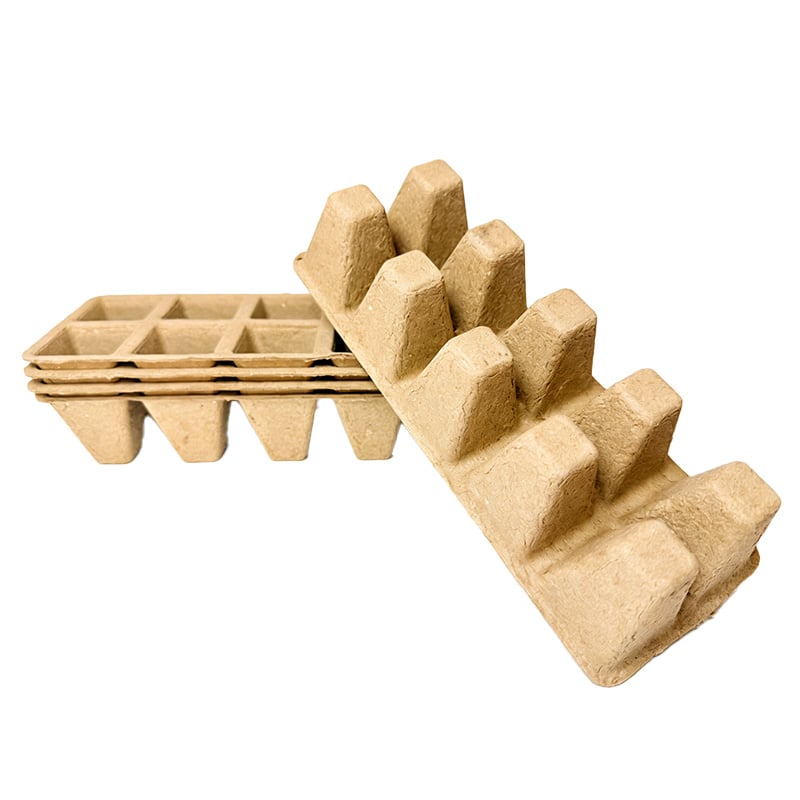
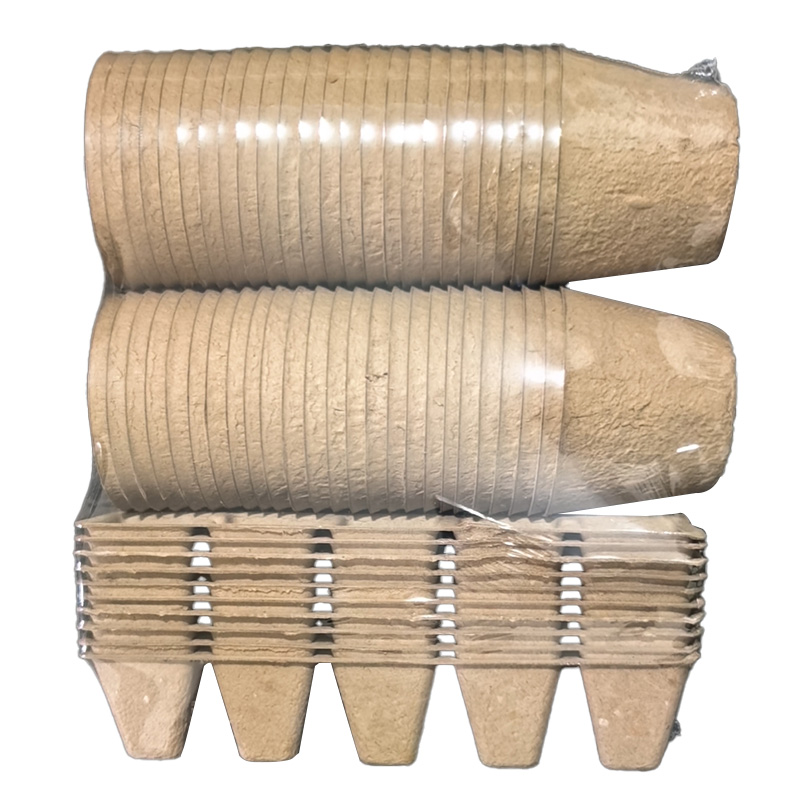
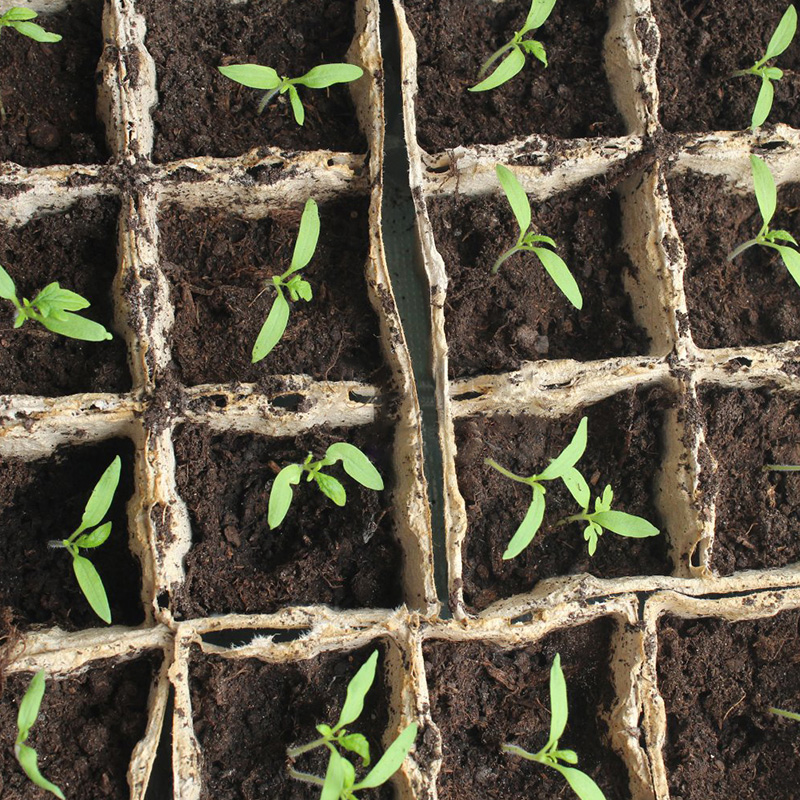
Available in multiple configurations including round and square options, GCZ' seedling cups come in various sizes to accommodate different crop requirements. Common dimensions include individual pots ranging from approximately 3.5cm to 8cm in diameter and depth, as well as multi-cell trays with dimensions around 16.5cm x 12cm. The stackable design of these pots allows for efficient storage and transport, reducing warehouse space requirements and shipping costs. The versatility of pulp molding also enables customization into specific shapes and sizes to meet the unique requirements of different crops and nursery operations.
The degradation timeline of these seedling cups is engineered for flexibility, with decomposition rates ranging from as little as 10 days to over a year depending on soil moisture conditions. In typical garden soil conditions, the pots decompose within 4 to 8 weeks after planting. This adjustable degradation period allows growers to select products matched to their specific crop cycles, ensuring that the pot provides adequate support throughout the seedling stage while decomposing in time to allow unrestricted root expansion into surrounding soil.
The cups are free from harmful chemicals, making them safe for organic growing operations. They do not spread diseases or insect pests, and contain no pesticide pollution. This chemical-free composition is particularly valuable for organic certification and for growers producing food crops where chemical residues would be unacceptable.
GCZ' commitment to sustainability extends throughout the product lifecycle. The cups are made from recycled and renewable materials, energy-saving and environmentally protective in production, and fully compostable at end of life. They replace plastic seedling cups, leaving no white pollution and supporting the global transition toward sustainable horticultural practices.
| Specification | Value |
|---|---|
| Product Name | Pulp seedling cup |
| Brand | GCZ |
| Shape | Square, Round |
| Size | Customizable |
| Packaging | Carton |
| Logo | Customizable |
| Samples | Available |
| Minimum Order Quantity | 1000 pieces >= |
Breathable and Permeable – Optimal Root Environment: The porous structure of the paper pulp walls creates an ideal growing environment for seedlings. Moisture and air flow freely through the pot walls, allowing for excellent water drainage and aeration that waterlogged soil and promotes robust root development. This breathability significantly reduces the risk of root rot, a common problem in plastic containers where excess moisture cannot escape. The improved oxygenation in the root zone supports healthy root respiration, faster root repair, and stronger mycorrhizal activity that helps nutrient uptake.
Air Pruning – Healthier Root Architecture: Perhaps the most significant advantage of paper pulp seedling pots is their ability to promote natural "air pruning". When roots reach the pot's edge, exposure to air stops circling and promotes lateral root branching. This natural pruning mechanism creates a fibrous, branched root system rather than the tangled, circling roots typical of plastic containers. The practical benefits are substantial – Fraser Nurseries in Oregon reported 23% stronger root systems in pulp pots compared to plastic equivalents. Healthier roots mean faster transplant establishment and reduced field losses, translating directly to improved crop performance and higher yields.
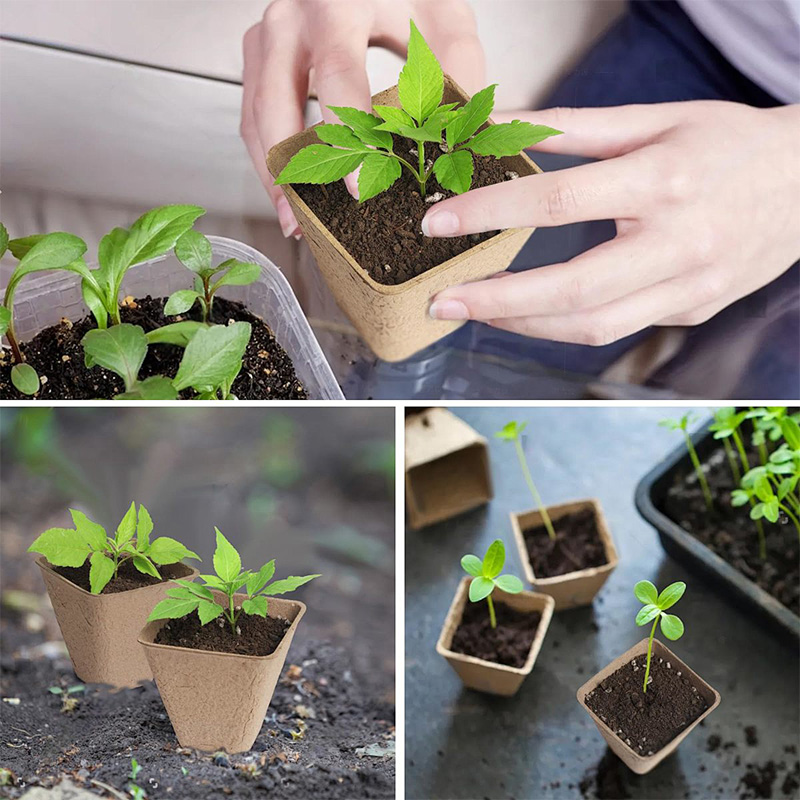
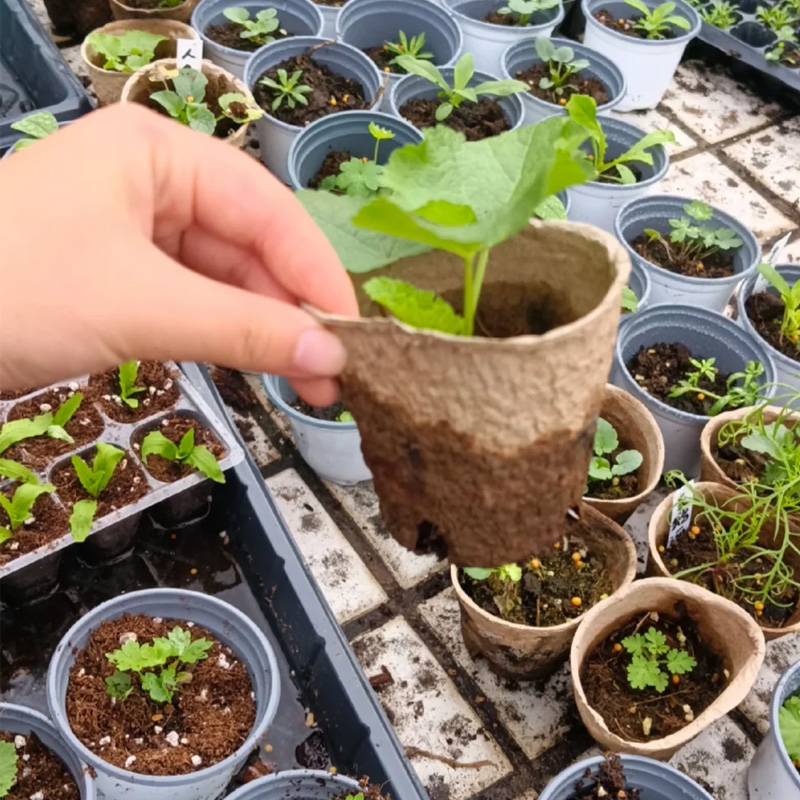
No-Pot Transplanting – Zero Root Disturbance: The #1 frustration with plastic pots is removing seedlings without damaging roots. GCZ' seedling cups eliminate this problem entirely – seedlings can be planted directly into the soil with the pot intact. This no-pot transplanting approach completely protects seedling roots and significantly reduces transplant shock. The pot decomposes naturally in the soil, allowing roots to grow through the walls without any restriction. This seamless transition from nursery to field results in stronger plants, shorter slow-seedling periods, higher survival rates, and earlier maturation.
Naturally Degradable and Environmentally Friendly: These seedling cups decompose automatically after burial, transforming into organic matter that nourishes the soil. The degradation period is flexible – as short as 10 days in warm, moist conditions, extending to over a year for longer crop cycles. In typical garden soil, decomposition occurs within 4 to 8 weeks. As the paper breaks down, it integrates with the soil, improving the ecological environment around seedling roots and benefiting ongoing plant growth. This natural degradation eliminates the waste and environmental pollution associated with plastic nursery containers, supporting sustainable horticulture.
Highly Resilient and Moisture-Resistant: Despite being made from paper pulp, these seedling cups demonstrate remarkable durability during the nursery period. High-quality heat-pressed pulp pots withstand 10 or more waterings without sagging or collapsing. The cups resist breakage during wet-dry cycles and maintain their structural integrity throughout the seedling stage. This resilience makes them suitable for long-term cultivation in greenhouses, on balconies, and in outdoor nursery environments where consistent performance is essential.
Versatile Size and Shape Options: GCZ offers these seedling cups in a comprehensive range of sizes and configurations to accommodate diverse crop requirements. Round and square options are available, with dimensions ranging from small individual pots for delicate seedlings to larger sizes for vigorous plants. Multi-cell trays provide efficient space utilization for commercial nursery operations. The pulp molding process also allows for custom shapes and sizes, enabling growers to order pots specifically designed for their unique crop requirements.
Cost-Effective and Labor-Saving: These seedling cups offer compelling economic advantages. The cost is lower than plastic and other alternatives. The convenience of pot-in-transplanting reduces labor intensity and simplifies management during the nursery period. The elimination of pot removal during transplanting saves significant labor time, while the reduced transplant shock and stronger root systems lead to higher survival rates and better crop outcomes.
Fruit and Vegetable Seedling Cultivation
Eco Biodegradable Paper Pulp Seedling Cups are ideal for sowing and cultivating a wide range of fruit and vegetable seedlings. Tomatoes, cucumbers, peppers, strawberries, watermelons, and other fruiting vegetables benefit from the superior root development enabled by air pruning. The breathable pot walls waterlogging and promote robust root systems that support vigorous plant growth and higher yields. The ability to plant directly into the soil without removing the pot minimizes transplant shock, ensuring that seedlings establish quickly and begin producing earlier. For commercial vegetable operations, these cups support efficient, high-volume production with consistent crop quality.
Flower Cultivation and Ornamental Production
For flower growers, these seedling cups provide an ideal environment for propagating herbaceous flowers, succulents, roses, hydrangeas, and other ornamental plants. The air-pruning effect encourages fibrous root systems that support healthy, vigorous plants with improved ornamental quality. Home balcony gardeners and commercial flower nurseries alike benefit from the convenience of pot-in-transplanting, which simplifies the transition from propagation to final display. The natural brown color of the pots blends attractively with soil and plant material, making them suitable for retail displays where appearance matters.
Sapling Cultivation and Nursery Operations
Large-scale greenhouse cultivation of fruit tree seedlings, landscaping shrubs, and flower seedlings benefits significantly from these biodegradable pots. The stackable design enables efficient storage and transport, while the consistent performance of high-quality pulp pots supports uniform crop development. Commercial nurseries can achieve production rates of up to 35,000 paper pots per day with automated systems, demonstrating the scalability of this technology. The ability to select degradation timelines matched to specific crop cycles – from as little as 4-6 weeks to 12 months – provides flexibility for different plant types and growing schedules.
Home Potted Plants and Indoor Gardening
For home gardeners and indoor plant enthusiasts, these seedling cups offer a convenient, mess-free solution for sowing seeds and propagating cuttings. The breathable pots can be used for small-scale desktop seedling cultivation, plant division, and starting plants for indoor displays. The pots can be placed directly into decorative containers, simplifying the planting process and reducing cleanup. The natural, eco-friendly appearance of the pots appeals to environmentally conscious home gardeners who want to reduce their plastic footprint.
Agricultural and Forestry Greening
In large-scale agricultural and forestry applications, these seedling cups support reforestation, hillside greening, and mass seedling transplanting from nursery bases. The pot-in-transplanting approach is particularly valuable for remote or difficult-to-access planting sites, where minimizing handling and reducing transplant shock are critical to survival rates. The biodegradable pots decompose naturally in the soil, enriching it with organic matter and supporting the establishment of healthy forest and landscape plantings. Studies have demonstrated that biodegradable pots enhance root development and plant growth while avoiding transplant shock and root deformation.
1. Do I need to remove the paper cup before planting seedlings?
No. When transplanting, bury the paper cup along with the seedling. The pulp will slowly decompose in the soil, preventing root breakage and significantly reducing the probability of seedling stress and death.
2. Are the paper pulp cups prone to leaking or rotting?
Qualified, thickened cups are less likely to break during short-term seedling cultivation. Water sparingly and frequently, avoiding prolonged soaking in water. Prolonged soaking in water will accelerate softening and breakage.
3. Suitable for seedling cultivation of various plants?
Vegetables and fruits (peppers, tomatoes, watermelons, cucumbers), flower seedlings, succulent cuttings, shrub seedlings, strawberry seedlings, medicinal herb seedlings, and various other seedling cultivation.
4. Will paper pulp seedling cups breed fungus gnats or mold?
The surface pulp is prone to mold growth in damp, poorly ventilated conditions. Maintaining good ventilation, reducing prolonged waterlogging, and providing regular airflow and light will prevent this. Minor mold spots will not affect seedling survival.
5. What are the differences between paper pulp seedling cups and plastic seedling pots?
Plastic pots are not breathable, requiring transplanting and easily damaging roots; they are also non-biodegradable and environmentally unfriendly. Paper pulp cups are breathable, protect roots, can be planted directly in the ground, and degrade naturally. Their disadvantages are lower durability and slightly higher cost.
6. How should paper pulp seedling cups be stored?
Store them in a dry, well-ventilated place in a sealed container to prevent moisture absorption, softening, and mold growth. Keep them away from rain and damp ground. They can be stored for a long time in a dry environment.

Building 3, Block H, Poly Garden, Chang'an District, Shijiazhuang City, Hebei Province
Copyright © 2026 by Hebei Guangchengze Import And Export Trading Co., Ltd. | Privacy policy
 EN
EN