- Brand: GCZ
- Size: 1-3mm, 3-6mm, 6-10mm, 1-2cm
- Packaging: Woven bag
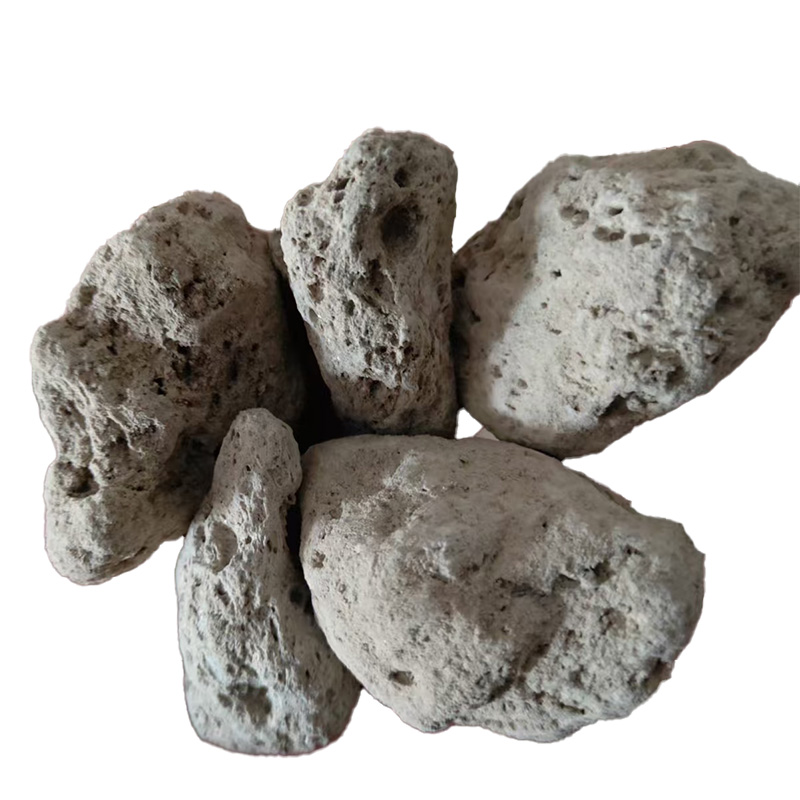
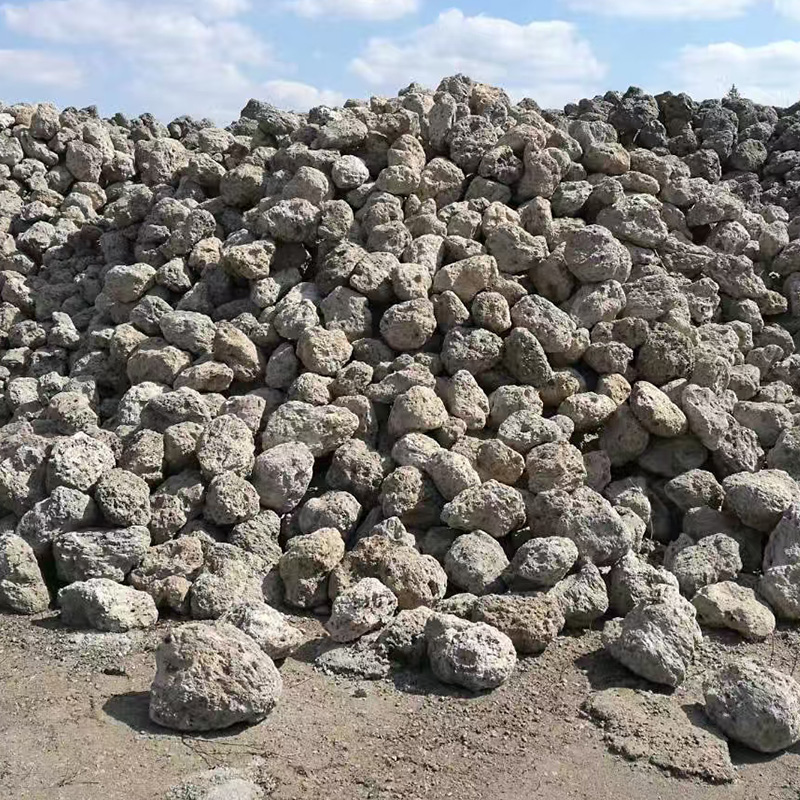
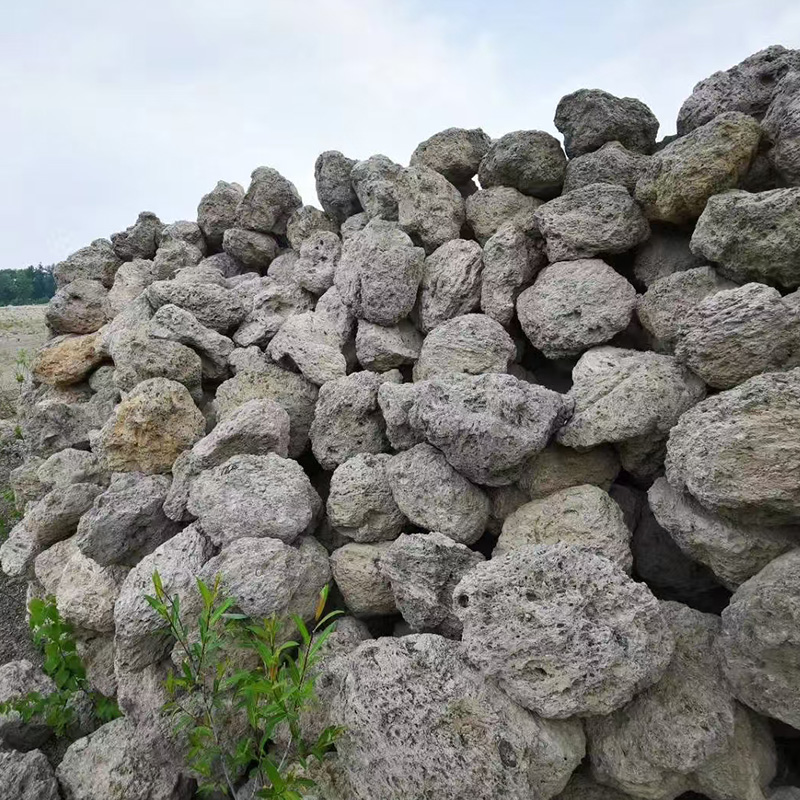
GCZ presents its Lightweight Natural Pumice – a premium porous volcanic rock engineered for horticultural, aquacultural, and water treatment applications worldwide. This product is formed through natural volcanic eruptions, where highly pressurized, superheated rock is ejected and rapidly cools, creating a distinctive porous structure. The raw pumice is then processed through crushing, screening, and washing to deliver clean, uniform granules in multiple particle sizes, free from pests, impurities, and contaminants.
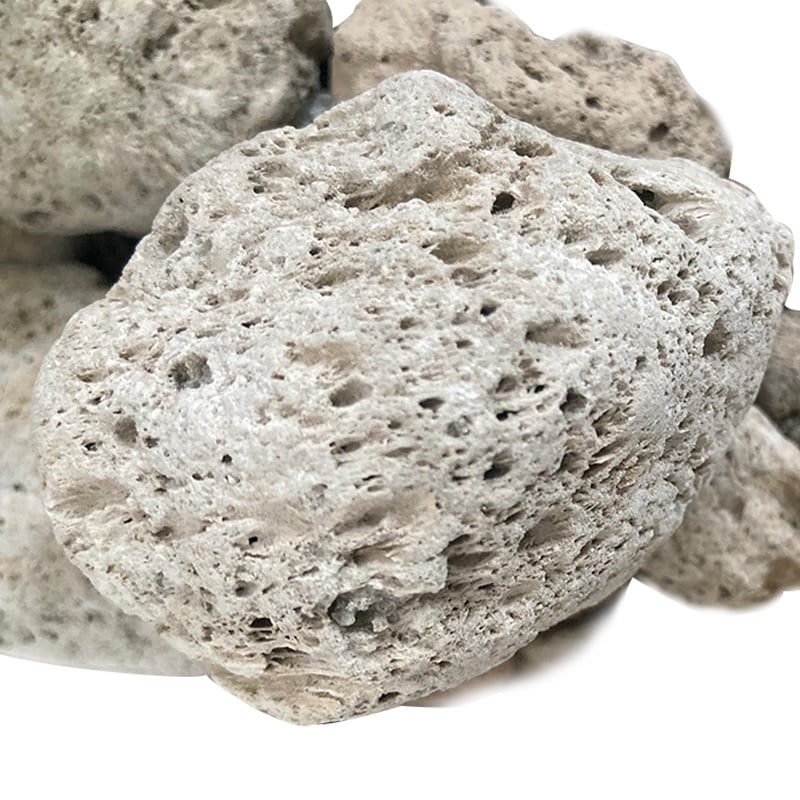
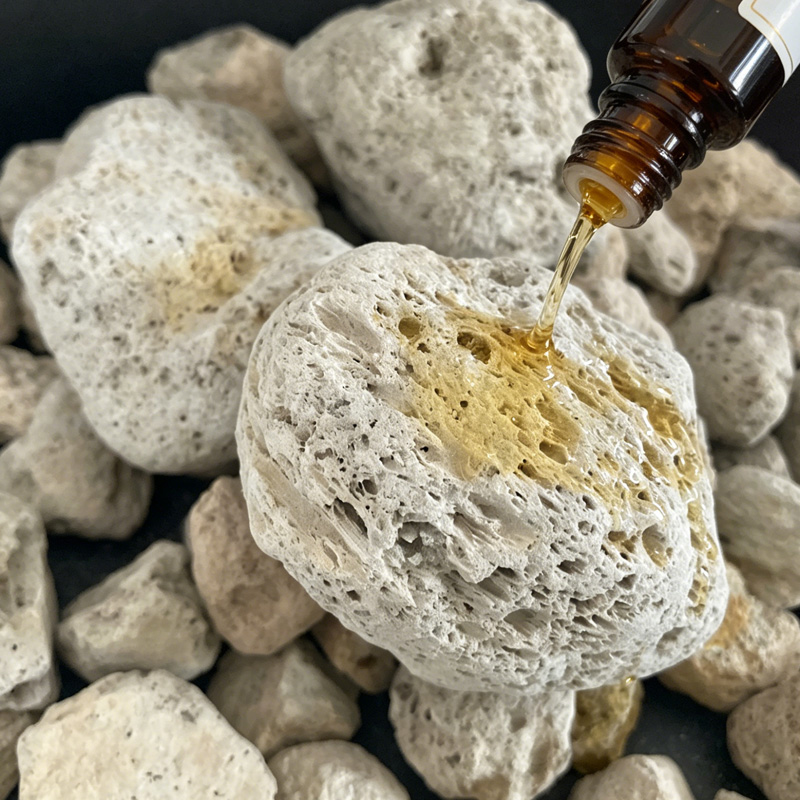
The defining characteristic of pumice is its remarkable porosity. Pumice forms from frothy lava that cools into a rock filled with micro- and macro-pores. The maximum particle porosity can reach 85%, meaning that 85% of the total volume contains air and only 15% contains solid material. In some cases, pumice has an average porosity of 90%. This extensive pore structure creates an immense internal surface area that provides the foundation for the material's exceptional water retention, aeration, and adsorption capabilities.
The specific surface area of pumice can reach up to 300 m²/L depending on grain size, providing an excellent habitat for beneficial bacteria. This high surface area, combined with the material's chemical inertness, makes pumice an ideal biological filter medium in aquaculture and aquarium systems.
The physical properties of pumice make it exceptionally versatile. With a typical pH of around 7 – generally neutral to slightly acidic in most deposits – pumice will not shift soil acidity and works well with fertilizers and organic matter. The material has a Mohs hardness of approximately 5.5 to 6, providing good resistance to abrasion and wear. Its low density – about 0.8 to 1.0 kg/L – makes it significantly lighter than many alternative soil amendments and filtration media, reducing shipping costs and simplifying handling.
The color of pumice ranges from grayish-white to light gray, sometimes extending to gold, brown, or black depending on chemical composition. The material is mainly composed of silica (60-75%), with aluminum oxide (13-17%), alkali oxides (7-8%), and smaller amounts of iron, calcium, and other minerals. This mineral composition contributes to its chemical stability and durability.
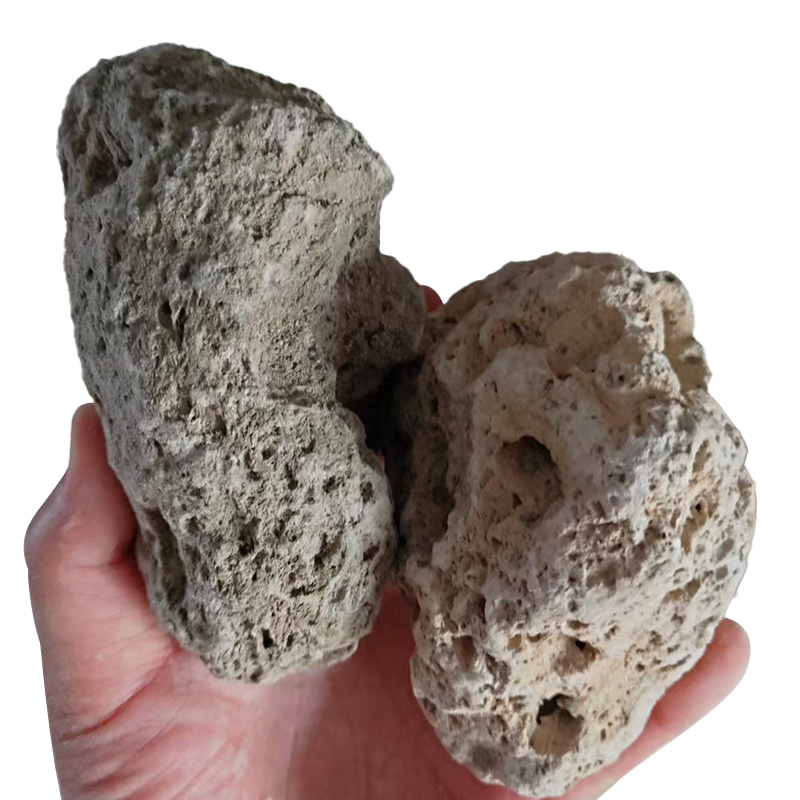
GCZ' pumice is available in multiple standard particle sizes to accommodate diverse application requirements. Common grades include fine (1-3 mm) for seed mixes and propagation, medium (3-6 mm) for general potting and houseplants, and coarse (6-12 mm and above) for heavy drainage layers and bonsai mixes. The material is thoroughly washed to remove dust and fines, ensuring clean, ready-to-use product that will not cloud water in aquatic applications or introduce contaminants to soil mixes.
| Specification | Value |
|---|---|
| Product Name | Pumice |
| Brand | GCZ |
| Size | 1-3mm, 3-6mm, 6-10mm, 1-2cm |
| Packaging | Woven bags |
| Logo | Customizable |
| Samples | Available |
| Minimum Order Quantity | 100kilograms>= |
Lightweight and Highly Porous: The defining feature of this pumice is its exceptional porosity and lightweight nature. With porosity reaching up to 85-90%, the material is significantly lighter than most soil amendments and filtration media. This lightweight characteristic facilitates easier handling, reduces shipping costs, and simplifies installation. The porous structure also provides excellent thermal insulation properties, protecting plant roots from temperature extremes.
Superior Air and Water Permeability: The honeycomb-like pore structure of pumice creates permanent air pockets that resist compaction. Pumice pore sizes range from tiny capillary pores that retain water to larger voids that permit air flow. This combination balances water-holding capacity with rapid drainage. The macro-pores keep channels open so oxygen reaches roots and aerobic microbes thrive. Better oxygenation means healthier root respiration, faster root repair after pruning, and stronger mycorrhizal activity that helps nutrient uptake. This superior aeration reduces root rot risk and speeds root development compared with plain soil, sand, or compost.
Fertilizer and Water Retention: The micro-pores within the pumice trap moisture for slow release to roots. These internal pores hold water and nutrient solution, gradually releasing them to supply plants as needed. The porous nature of pumice allows it to hold vital nutrients in the microscopic surface pores, which helps regulate fertilizer feedings. This slow-release mechanism ensures that plants receive consistent moisture and nutrition, reducing watering frequency and fertilizer waste.
Stable and Rot-Resistant: Pumice is chemically inert and stable, releasing no harmful substances into water. Unlike organic soil amendments that decompose over time, pumice does not rot, break down, or clump. It maintains its structural integrity for many years, providing long-term value. Compared with perlite, vermiculite, and sand, pumice provides a longer-lasting structure – it resists breakdown better than vermiculite, stays heavier and less likely to float than perlite, and improves aeration more effectively than sand.
Adsorption and Filtration: The microporous structure of pumice provides excellent adsorption and filtration capabilities. Pumice media efficiently traps impurities on two levels: between particles and on the particle surface – those abundant, sharp-edged nooks and crannies effectively capture and hold contaminants. It effectively filters biological waste, removes suspended solids down to 10 microns, and adsorbs impurities and odors from water.
Clean and Ready to Use: GCZ' thorough washing process ensures that the product arrives clean and free from dust, pests, and impurities. This cleanliness eliminates the need for on-site washing, reduces installation time, and prevents the introduction of fine particles that could compromise drainage performance or water quality. The material does not attract or host fungi, nematodes, or insects.
Long Service Life: Pumice has an exceptionally long lifespan – exceeding 10 years in filtration applications. Unlike synthetic media that may require frequent replacement, pumice can be reused multiple times, providing outstanding long-term value and reducing operational costs.
Eco-Friendly and Sustainable: Pumice is a naturally occurring material that requires minimal processing. It is non-toxic, eco-friendly, and contains no chemical additives. The material's longevity reduces the need for frequent replacement, supporting sustainable resource use.
Horticulture and Gardening
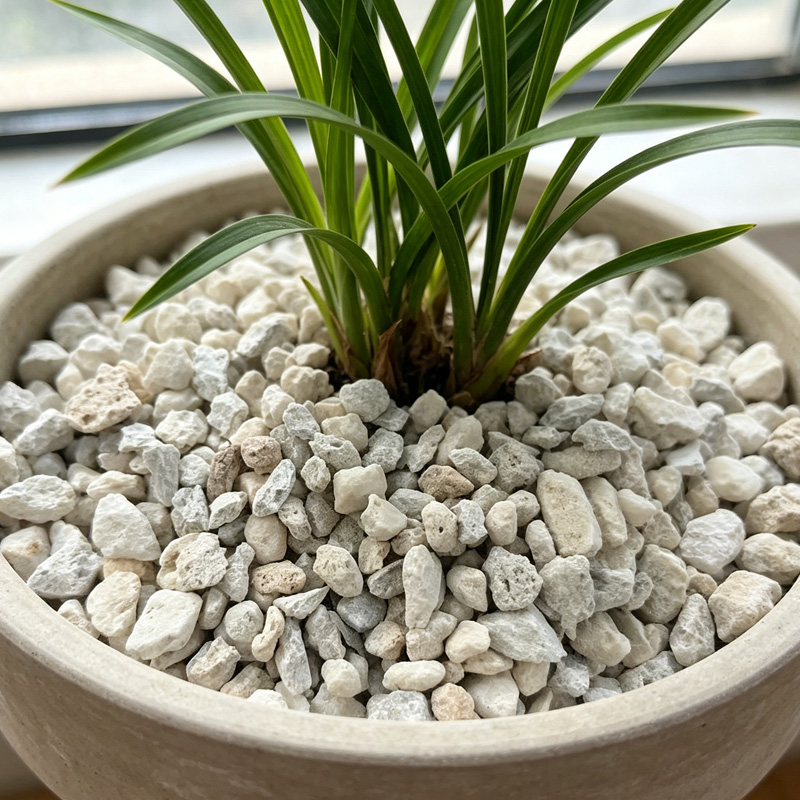
Lightweight Natural Pumice serves as a versatile and highly effective soil amendment in horticultural applications. For succulents and cacti, a mix of 50-70% coarse pumice (4-10 mm) with minimal organic matter provides fast drainage, cuts rot risk, and keeps roots airy. For bonsai, 40-60% coarse pumice provides structural stability, root pruning friendliness, and constant airflow around the root ball. For orchids, a mix of 50% coarse pumice with bark chips and charcoal improves root oxygenation and holds micro-reservoirs of water.
For general houseplants, 10-25% pumice (2-5 mm) added to standard potting mix improves aeration while retaining enough moisture for leaves. Vegetables and annuals in containers benefit from 15-30% pumice to improve drainage and reduce compaction while preserving fertility. For seed starting and propagation, 25-50% fine pumice with sterile seed mix or coco coir balances moisture retention and oxygen for germination.
As drainage layers for pot bases, pumice creates effective reservoirs that prevent waterlogging and root rot. As top dressing and surface cover, pumice reduces surface evaporation, prevents fungus gnats, and suppresses weed growth. For compacted soil improvement, pumice's lightweight, porous nature helps aerate heavy soils while retaining moisture in sandy growing media.
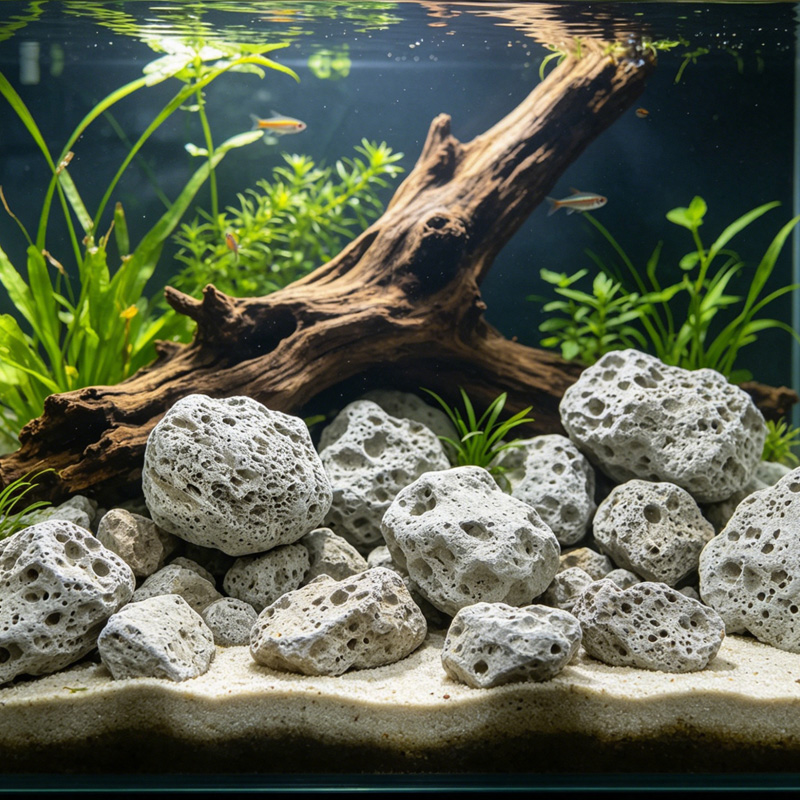
Aquariums and Fish Ponds
The aquarium and aquaculture industry has embraced pumice for its exceptional biological filtration capabilities. As filter media for fish tanks and ponds, pumice's high specific surface area – up to 300 m²/L – provides an excellent habitat for nitrifying bacteria (Nitrosomonas, Nitrobacter, etc.), which ensure the biological breakdown of ammonia and nitrites. This biological filtration removes nitrogenous waste and maintains water quality.
Pumice supports the growth of both nitrifying and denitrifying bacteria. Research has demonstrated that pumice media performs well in increasing dissolved oxygen and improving water quality. Fish growth was higher in pumice biofilter systems, with an average growth of 50% of the original body weight compared to other media. The neutral pH of pumice helps maintain stable water chemistry, crucial for the health of both fish and plants in the aquarium. Pumice can be applied to both freshwater and marine systems.
Environmental Water Treatment
In water treatment applications, Lightweight Natural Pumice serves as an effective and cost-efficient filtration media. For constructed wetlands, pumice is commonly used as substrate material to enhance pollutant removal efficiency. Studies have demonstrated that volcanic rock-microbe systems achieve high total nitrogen removal efficiency, with average removal rates of 78.78%. Pumice effectively removes pollutants including total suspended solids, ammonia nitrogen, and phosphorus.
As wastewater filter media, pumice purifies water by removing heavy metals, oils, and other harmful contaminants. Its low specific gravity and high porosity make it ideal for various treatment processes. Pumice filtration media removes suspended solids down to 10 microns and requires 30% less backwash consumption than traditional media, substantially reducing operating costs.
Agriculture, Forestry, and Livestock
In agricultural applications, pumice serves as an effective seedling substrate that promotes healthy root development and nutrient uptake. The material's ability to retain water and nutrients while providing excellent drainage creates optimal growing conditions for young plants. In livestock operations, pumice serves as an effective animal bedding additive that adsorbs ammonia and controls odors. The material's ammonia adsorption capability reduces the concentration of harmful gases in animal housing, improving animal health and barn climate.
Construction and Building Materials
Pumice's lightweight and insulating properties make it valuable in construction applications. As lightweight aggregate in concrete and mortar, pumice provides thermal insulation, fire resistance, freeze-thaw resistance, and chemical resistance. The material's low density and acceptable compressive strength make it suitable for lightweight building blocks and decorative panels.
1. What is pumice?
Pumice is natural volcanic pumice, porous, lightweight, and slightly acidic. It's a commonly used granular medium in gardening, providing excellent aeration and drainage while containing trace minerals.
2. Can pumice be used alone as potting soil?
It's not recommended to use it alone. It contains almost no nutrients, and long-term planting will lead to nutrient deficiency. It needs to be mixed with organic matter such as compost, bark, and peat moss.
3. Should new pumice be used directly or washed?
It's recommended to rinse it several times to remove dust, soak it for half an hour, and drain it before use to prevent dry granules from drawing moisture from the roots.
4. How long can pumice be used? Can old pumice be reused?
With normal care, it can be used for 2-3 years. After it becomes covered in moss or is repotted, it can be reused after rinsing, sun-drying to sterilize, and sifting out the fine powder.
5. Are there other uses for pumice besides gardening?
It can be used as filter media for aquariums and ponds to cultivate nitrifying bacteria. Coarse pieces can be used as foot scrubbers and can also be used as a drainage layer in rooftop greening projects.
6. Pumice is acidic; can alkaline-loving plants like roses use it?
Yes, the acidity has a negligible effect. Mixing it with garden soil and a small amount of lime to neutralize the pH will not affect plant growth at all.

Building 3, Block H, Poly Garden, Chang'an District, Shijiazhuang City, Hebei Province
Copyright © 2026 by Hebei Guangchengze Import And Export Trading Co., Ltd. | Privacy policy
 EN
EN