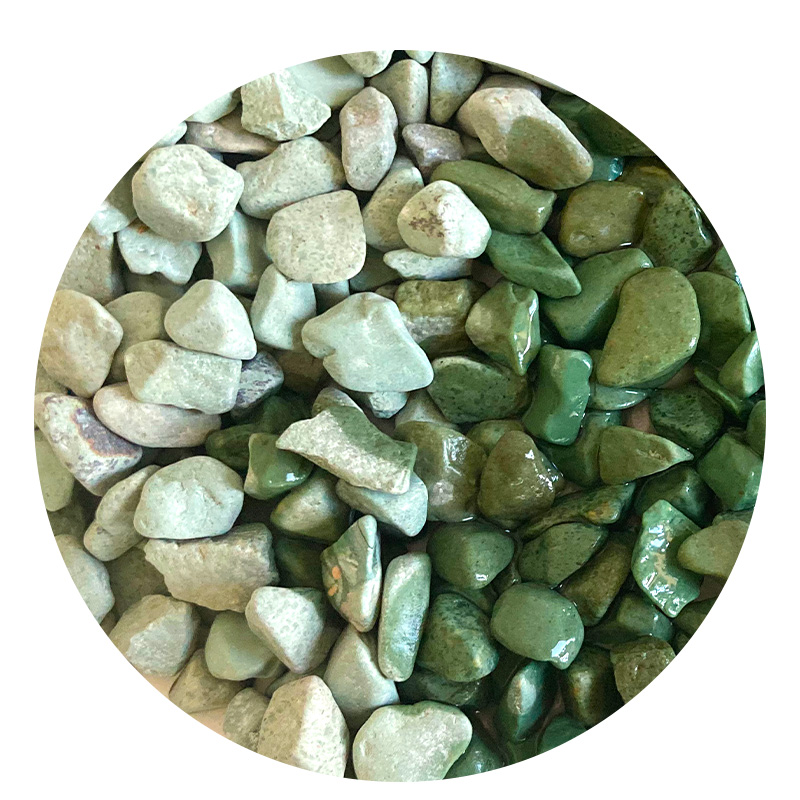
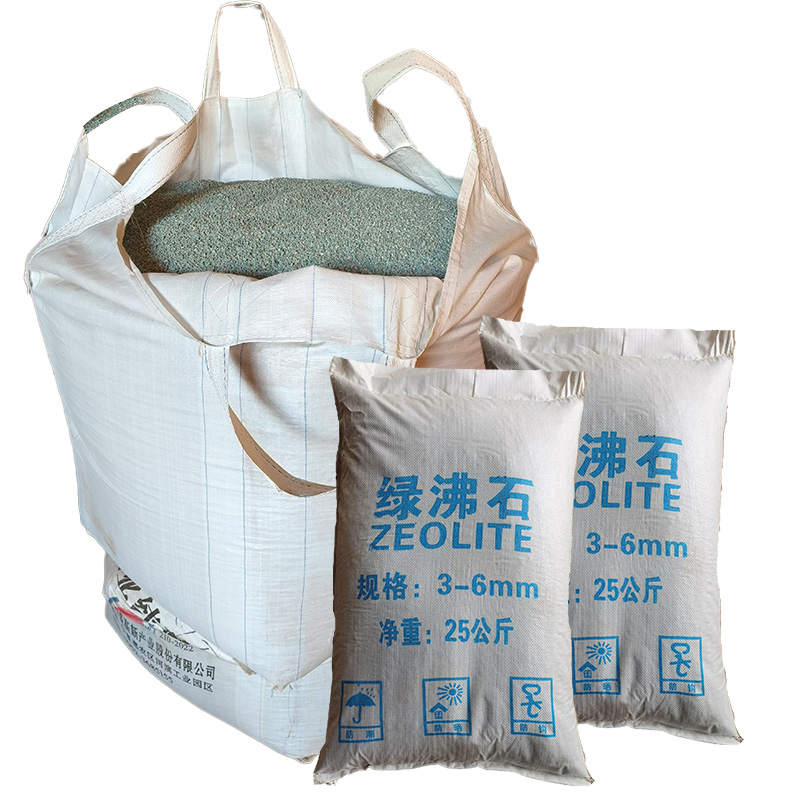
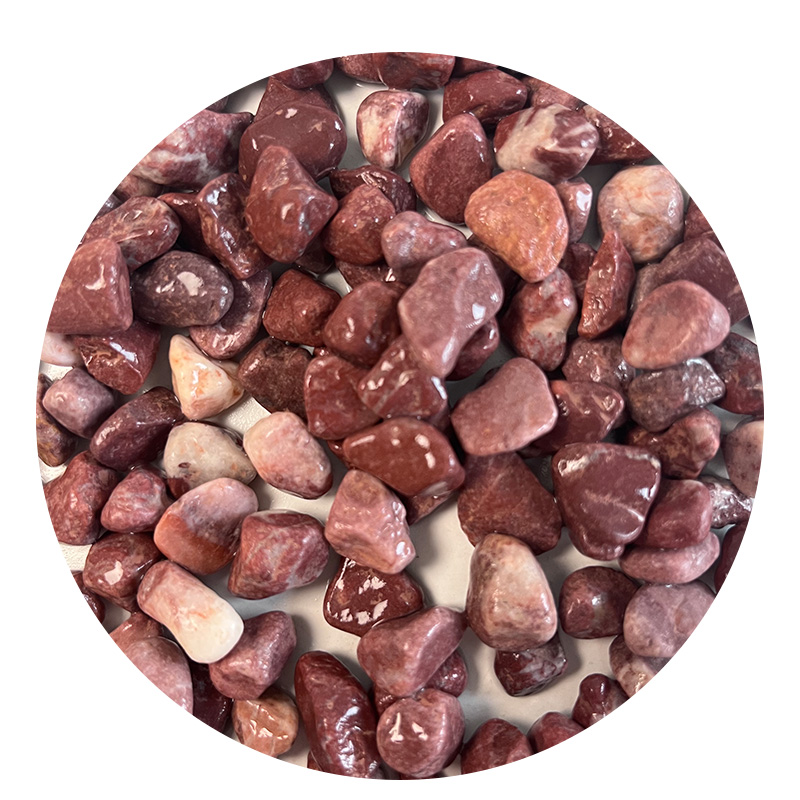
- Brand: GCZ
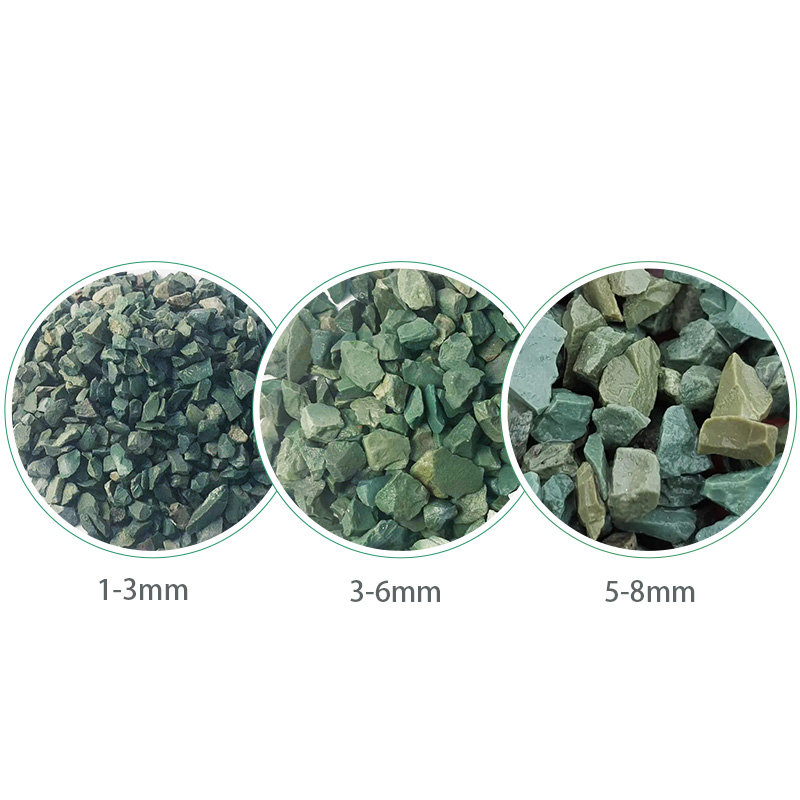
- Size: 3-5mm, 4-6mm, 6-9mm, 9-12mm, 1-2cm, 2-3cm, 3-5cm
- Surface: Polished/Unpolished
GCZ presents its Porous Green Zeolite Gravel – a premium natural adsorption media engineered for horticultural, aquacultural, water treatment, and agricultural applications worldwide. This product is produced from high-quality natural clinoptilolite ore, a member of the zeolite mineral family formed through the alteration of volcanic ash in alkaline lake environments over millions of years. The raw material undergoes a comprehensive processing sequence that includes primary crushing to achieve the desired particle size, followed by multi-stage screening to ensure uniform gradation, and thorough dust-removal to eliminate fine particulate matter. The result is a clean, angular product that delivers exceptional adsorption and ion-exchange performance across a wide range of applications.
The defining characteristic of clinoptilolite zeolite is its unique crystalline structure, which contains a three-dimensional network of micropores and channels at the molecular level. These pores, with diameters ranging from 4.0 to 7.0 angstroms, create an immense internal surface area that provides the foundation for the material's remarkable adsorption and cation exchange capabilities. The specific surface area of clinoptilolite typically ranges from 40 to 60 m²/g, with some thermally activated samples reaching up to 80 m²/g. This extensive internal surface area enables the zeolite to capture and retain a wide range of molecules and ions, including ammonia, heavy metals, and various organic compounds.
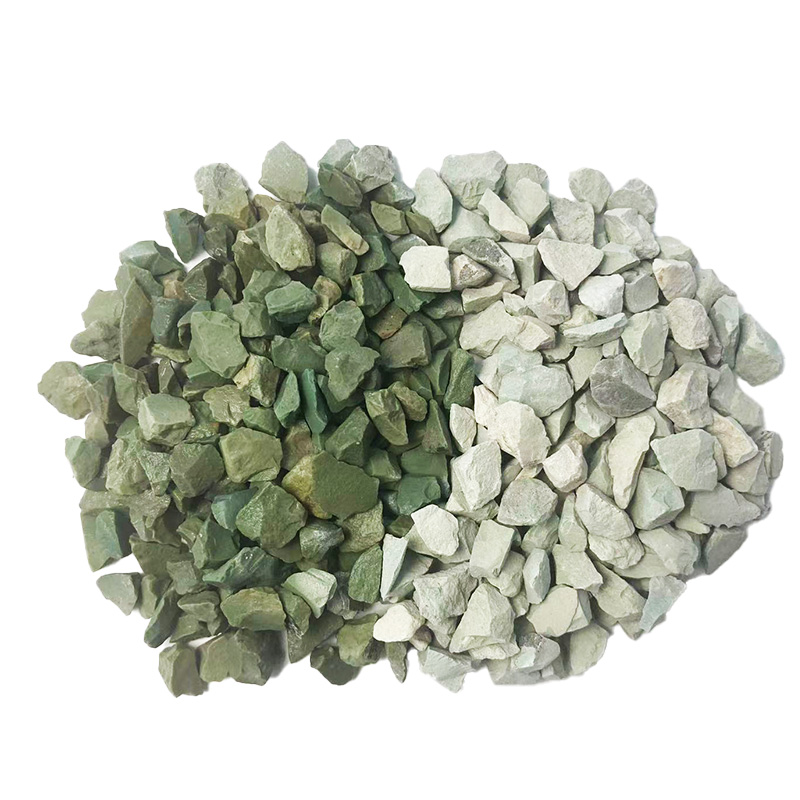
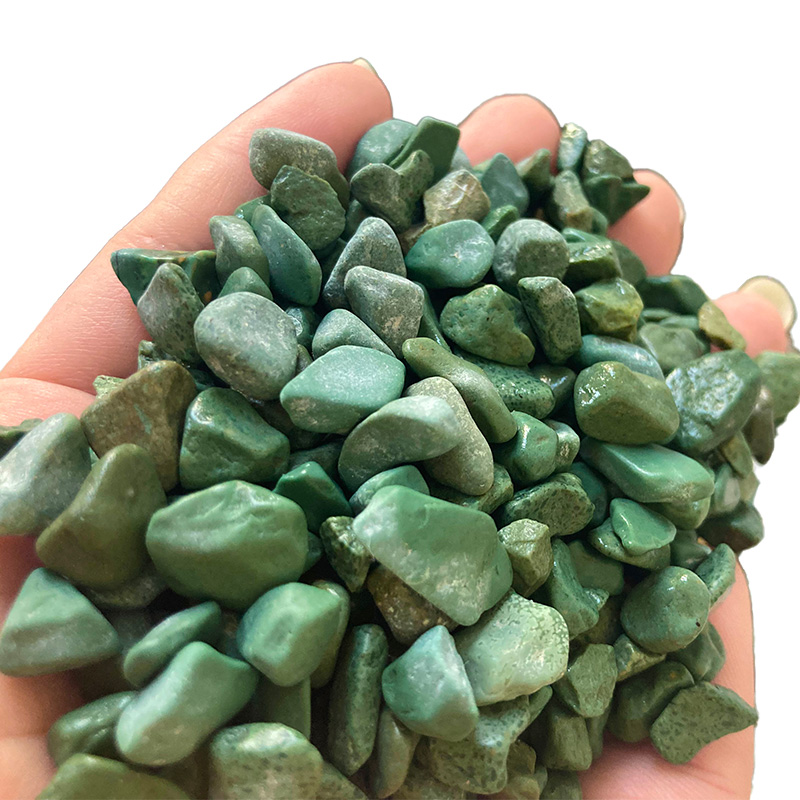
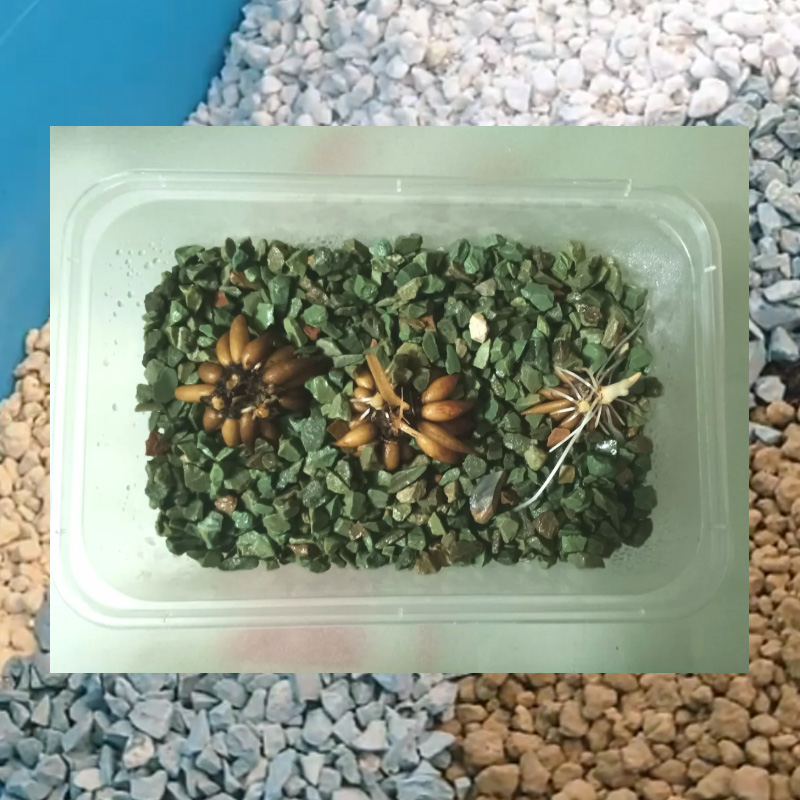
The pale greenish-blue coloration of this zeolite gravel is entirely natural, derived from the trace mineral content of the original ore. Unlike chemically treated or artificially colored products, this material contains no synthetic dyes, chemical additives, or artificial binders. The color is stable and does not leach or fade over time, even under prolonged water immersion or sun exposure. The distinct angular edges of the crushed granules provide mechanical advantages in filtration and drainage applications, while the porous surface maximizes contact between the media and the surrounding water, soil, or air.
The ion-exchange properties of clinoptilolite are among its most valuable functional attributes. The zeolite framework carries a net negative charge, which is balanced by exchangeable cations – primarily sodium, potassium, calcium, and magnesium – located within the pore structure. These cations can be exchanged with other positively charged ions present in the surrounding environment, including ammonium (NH₄⁺), heavy metals such as lead, copper, zinc, and cadmium, and various other pollutants. This ion-exchange capacity, typically ranging from 1.6 to 2.0 meq/g for clinoptilolite, provides the mechanism for ammonia removal from water and nutrient retention in soil.
The material exhibits excellent physical stability and durability. With a Mohs hardness of 4.0 to 5.0, the granules resist abrasion and maintain their structural integrity under normal handling and use conditions. The bulk density ranges from 45 to 54 lbs/ft³, making the material relatively lightweight compared to many other filtration and soil amendment media. The pH stability range of 3.0 to 10.0 ensures that the zeolite remains effective across a wide range of environmental conditions, from acidic soils to alkaline aquatic systems.
GCZ offers this zeolite gravel in multiple standard particle sizes to accommodate diverse application requirements. Fine grades are suitable for seed-starting mixes, potting soil amendments, and animal bedding additives. Medium grades serve as versatile all-purpose material for aquarium filtration, constructed wetland media, and general soil conditioning. Larger grades are ideal for drainage layers, water treatment systems, and heavy-duty filtration applications. Consistent size distribution within each batch ensures uniform performance across the installation area.
From an environmental perspective, natural zeolite represents a sustainable alternative to synthetic adsorbents and chemical treatments. The material is mined from natural deposits, processed with minimal energy input, and contains no synthetic chemicals or petroleum-derived components. It can be regenerated and reused multiple times before eventual disposal, and spent zeolite can be safely landfilled or incorporated into soil as a slow-release fertilizer source.
| Specification | Value |
|---|---|
| Product Name | Green Zeolite |
| Brand | GCZ |
| Size | 3-5mm, 4-6mm, 6-9mm, 9-12mm, 1-2cm, 2-3cm, 3-5cm |
| Surface | Polished/Unpolished |
| Packaging | Ton bags / Woven bags / Customized |
| Logo | Customizable |
| Samples | Available |
| Minimum Order Quantity | ≥100 kg |
High Porosity and Strong Adsorption Capacity: The defining feature of this zeolite gravel is its well-developed internal honeycomb microporous structure, which provides an extensive surface area for adsorption. The material effectively captures ammonia nitrogen, odors, heavy metals, and various organic pollutants from water and air. In aquaculture applications, zeolite exchanges ammonium ions with sodium or potassium ions, reducing toxicity for fish while providing a biological support surface for nitrifying bacteria that convert ammonium into nitrites and then nitrates. Laboratory studies have demonstrated that zeolite can achieve ammonia removal efficiencies exceeding 94% under appropriate conditions. In wastewater treatment applications, clinoptilolite offers a cost-effective, eco-friendly solution for treating industrial wastewater, groundwater, and drinking water.
High Ion-Exchange Activity and Nutrient Retention: The zeolite's cation exchange capacity provides a mechanism for locking in essential plant nutrients – nitrogen, phosphorus, and potassium – for slow release over time. Research has demonstrated that zeolite application decreases leaching of nitrogen, potassium, phosphorus, calcium, and magnesium due to the increase in cation exchange capacity of the soil mixture. This nutrient retention capability effectively reduces fertilizer loss, regulates soil pH balance, and ensures that nutrients remain available to plants when they are needed most. The zeolite acts as a nutrient reservoir, releasing ammonium, potassium, calcium, and magnesium as plant roots demand them.
Stable, Durable, and Resistant to Crumbling: The compact mineral structure of clinoptilolite ensures that the granules resist disintegration when exposed to water, sunlight, or physical handling. Unlike organic soil amendments that decompose over time or synthetic media that may degrade under UV exposure, this natural zeolite maintains its structural integrity for decades. One application can last for many years without replacement, providing exceptional long-term value. The material can be repeatedly washed and reused in filtration applications, further extending its service life and reducing operational costs.
Excellent Drainage and Aeration: The angular granular form of this zeolite gravel provides the same drainage benefits as pumice – preventing water stagnation and root rot while promoting soil aeration when dry. The porous structure of the zeolite itself also contributes to moisture retention, ensuring that soil remains adequately hydrated without becoming waterlogged. This dual functionality – drainage and moisture retention – makes the product particularly valuable for potting mixes and soil conditioning applications.
Lightweight and Easy to Handle: With a bulk density of approximately 650 kg/m³, this zeolite gravel is significantly lighter than many alternative soil amendments and filtration media. This lightweight characteristic facilitates easier handling, reduces shipping costs, and simplifies installation in both small-scale and large-scale applications.
Clean and Ready to Use: GCZ' thorough washing and dust-removal processes ensure that the product arrives at the job site clean and ready for immediate installation. No on-site washing, rinsing, or preparation is required, reducing installation time and eliminating the mess associated with dusty or contaminated aggregates.
Chemical-Free and Environmentally Safe: This product contains only natural mineral materials – no chemical additives, synthetic dyes, or artificial binders are used in the manufacturing process. The material is non-toxic, pH-neutral, and safe for use around plants, animals, and aquatic life.
Horticulture and Gardening
Porous Green Zeolite Gravel serves as a versatile soil amendment in horticultural applications. As a soil mix component for flowers, fruits, and vegetables, the zeolite improves soil structure, enhances nutrient retention, and regulates moisture levels. The material's cation exchange capacity locks in nitrogen, phosphorus, and potassium, reducing fertilizer loss and ensuring that nutrients remain available to plants. The porous structure of the zeolite also promotes healthy root development by maintaining optimal soil aeration and preventing compaction.
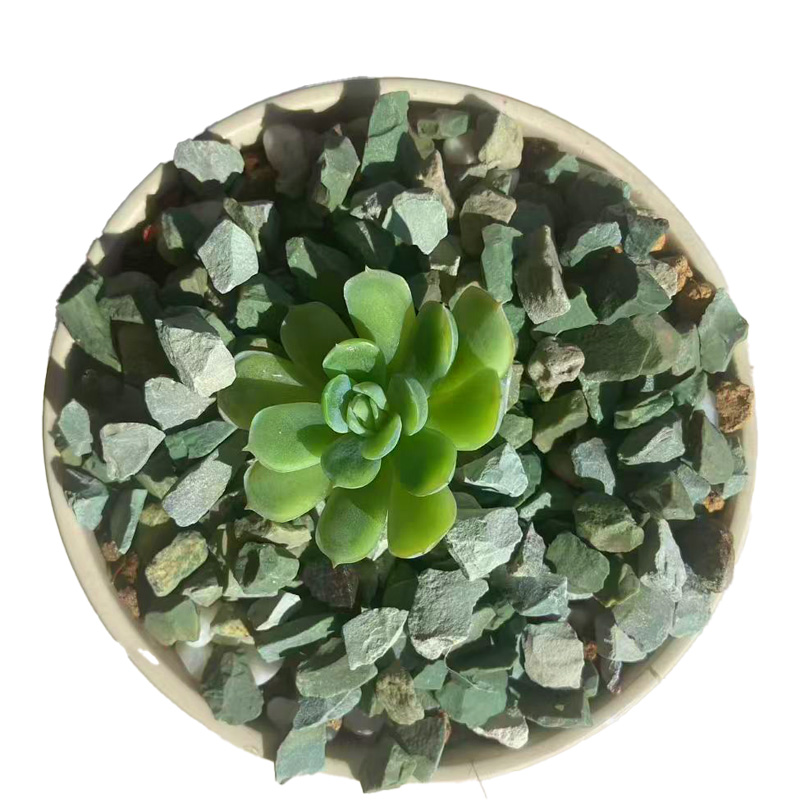
For pot drainage layers, the angular granules create effective reservoirs that prevent waterlogging and root rot while maintaining adequate moisture levels for healthy plant development. As bonsai surface dressing, the zeolite provides a clean, professional finish that conceals soil, minimizes dust during watering, and suppresses weed growth. The pale greenish-blue coloration adds a subtle aesthetic element that complements a wide range of plant varieties. For compacted soil improvement, the lightweight, porous nature of the zeolite helps aerate heavy soils while retaining moisture in sand-based growing media.
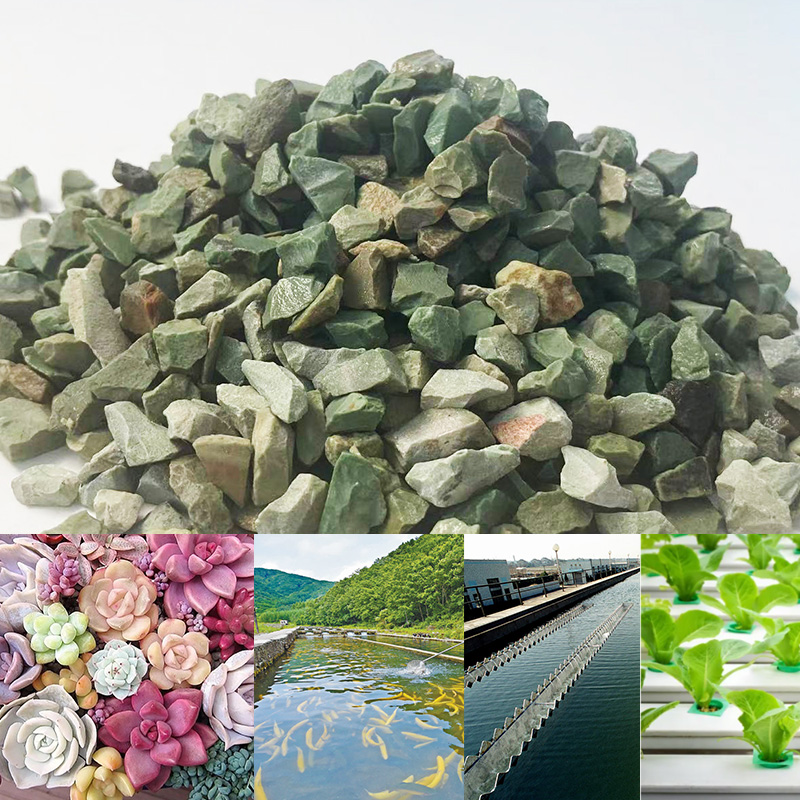
Aquaculture and Aquariums
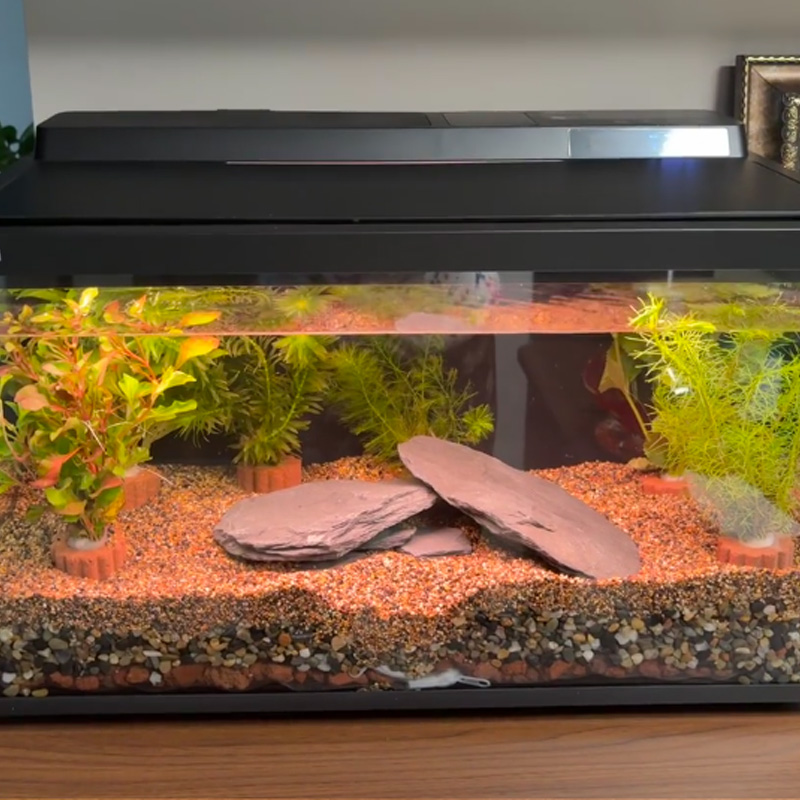
The aquarium and aquaculture industry has embraced zeolite for its exceptional ammonia removal capabilities. As filtration media for fish tanks and ponds, the zeolite exchanges ammonium ions with sodium or potassium ions, effectively removing toxic ammonia from the water. This ammonia removal protects fish health and maintains water quality in both freshwater and marine systems. The porous surface of the zeolite also provides a biological support matrix for nitrifying bacteria (Nitrosomonas and Nitrobacter), which convert ammonium into nitrites and then nitrates as part of the natural nitrification process.
The material's ability to stabilize the aquatic environment extends beyond ammonia removal – zeolite also adsorbs heavy metals and other toxins that may be present in aquarium water. The product is widely used in pet stores and aquaculture facilities as a filter additive, and it can be regenerated and reused multiple times. Research has demonstrated that the combined use of zeolite and other natural filtration materials has positive effects on ammonium removal and maintaining optimum pH levels for aquaculture.
Water Treatment
In water treatment applications, Porous Green Zeolite Gravel serves as an effective and cost-efficient filtration media. As media for constructed wetlands, the zeolite provides both physical filtration and chemical adsorption of water pollutants. Studies have demonstrated that zeolite filters can achieve CODcr removal efficiencies of 94.63% in constructed wetland applications. The material effectively removes pollutants including ammonia nitrogen, heavy metals, nitrates, and organic compounds from water sources through selective adsorption.
For sewage filtration and landscape water circulation systems, the zeolite provides reliable, low-maintenance water treatment that does not require chemical additives or complex equipment. The material's pH stability across a wide range (3.0 to 10.0) ensures effective performance in diverse water treatment applications. The zeolite can be used as a stand-alone filtration media or in combination with other treatment technologies for enhanced performance.
Agriculture, Forestry, and Livestock
In agricultural applications, Porous Green Zeolite Gravel serves as a high-performance seedling substrate that promotes healthy root development and nutrient uptake. The material's ability to retain water and nutrients while providing excellent drainage creates optimal growing conditions for young plants. The zeolite also acts as an effective soil conditioner, improving the physical and chemical properties of agricultural soils.
In livestock operations, the zeolite serves as an effective animal bedding additive that absorbs ammonia and controls odors. The material's ammonia adsorption capability reduces the concentration of harmful gases in animal housing, improving animal health and barn climate. Research has demonstrated that zeolite bedding additives can achieve average ammonia reduction of 18% in livestock facilities. The zeolite also absorbs moisture, extends bedding life, and reduces the frequency of bedding replacement. Spent bedding containing zeolite can be composted or applied to agricultural land as a slow-release fertilizer source, supporting sustainable waste management practices.
The material also finds application in inhibiting the proliferation of diseases in agricultural and livestock settings. By reducing moisture and ammonia levels, the zeolite creates environmental conditions that are less favorable for the growth of pathogens, supporting healthier production systems.
1. What is green zeolite?
Green zeolite is a hydrated aluminosilicate mineral. Its unique "framework" molecular structure and exceptionally high cation exchange capacity give it outstanding performance in water retention, nutrient retention, controlled nutrient release, and water purification.
2. Is the green color natural?
A: Yes. The pale green hue is determined by its specific mineral composition (primarily clinoptilolite) and is 100% natural. Unlike dyed decorative stones, the color of green zeolite does not fade, nor does it cause secondary pollution to the soil or water.
3. How does green zeolite perform in aquarium filtration?
It is a highly efficient chemical filtration medium. Green zeolite strongly adsorbs harmful ammonia-nitrogen and heavy metal ions from the water, rapidly improving water quality and preventing toxicity in fish and shrimp. Additionally, its porous structure serves as an ideal substrate for nitrifying bacteria to colonize.
4. Do you provide samples?
We offer free samples of up to 2kg. Buyers need only cover the shipping costs, which can be deducted from the first formal order.
5. How often should the green zeolite in the fish tank be replaced?
If used as an ammonia-adsorbing medium, replacement every 3–6 months is recommended, depending on the stocking density. If used as a biological filtration medium, it has a longer service life.

Building 3, Block H, Poly Garden, Chang'an District, Shijiazhuang City, Hebei Province
Copyright © 2026 by Hebei Guangchengze Import And Export Trading Co., Ltd. | Privacy policy
 EN
EN