EN
EN

The Growing Challenges in Modern Agricultural Substrates
Maintaining optimal soil health has become one of the biggest hurdles for commercial growers and agricultural enterprises worldwide. Intensive farming practices and changing global climate conditions often lead to severe soil compaction, which drastically limits root respiration and water infiltration. When soil loses its natural structure, essential plant nutrients easily wash away, leaving crops vulnerable to stunted growth and reduced yields. Agricultural professionals frequently struggle with synthetic additives that promise quick fixes but ultimately fail to deliver sustainable, long term benefits for large scale operations. To overcome these persistent obstacles, the global horticultural supply chain is shifting its focus back to proven natural minerals. Finding a permanent, reliable solution that simultaneously addresses physical soil structure and chemical nutrient holding capacity is essential for ensuring food security and maximizing commercial farming profitability in an increasingly competitive marketplace.
Understanding the Physical Expansion and Aeration Dynamics
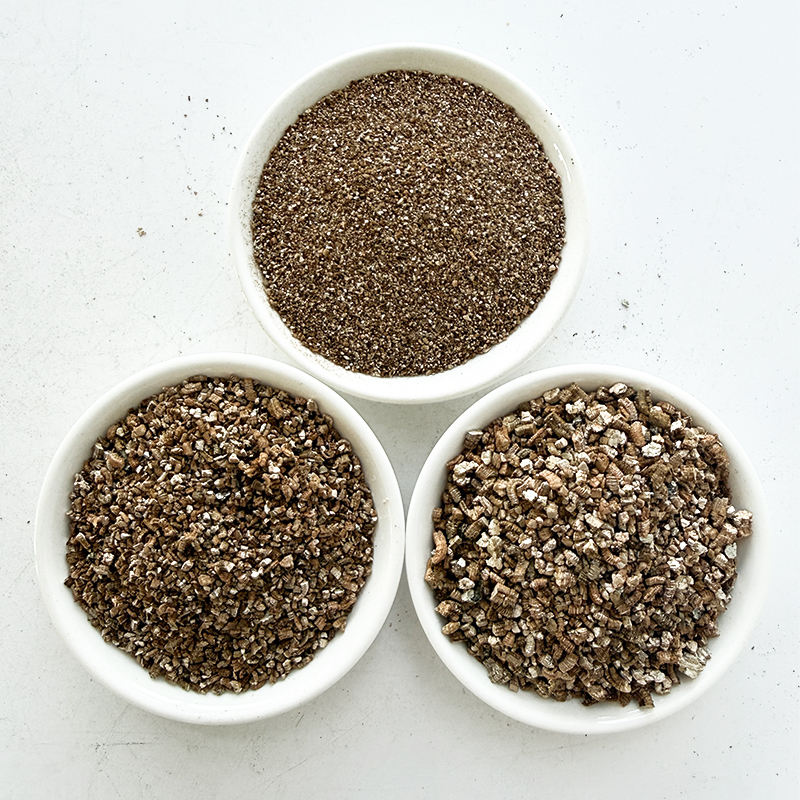
Improving soil aeration requires a deep understanding of structural geology and how specific minerals interact with heavy growing media. Vermiculite is a naturally occurring hydrated laminar magnesium aluminum silicate mineral that undergoes a remarkable transformation when subjected to intense heat. This thermal expansion process, known as exfoliation, causes the mineral flakes to open up into elongated, accordion like structures containing countless microscopic air spaces. When mixed into dense clay or heavy potting soils, these expanded particles permanently alter the physical matrix of the substrate by creating stable macro and micro pores. This open structure allows oxygen to circulate freely around the root zone, which is absolutely vital for healthy plant metabolism and root cellular respiration. Furthermore, the unique physical configuration of this expanded mineral prevents soil from packing down tightly over time, ensuring that the roots always have access to the vital balance of air and moisture they need to thrive.
Cation Exchange Capacity and Long Term Nutrient Retention
Beyond merely opening up the soil for better air circulation, high quality mineral additives play a crucial chemical role in enhancing overall soil fertility. Soil scientists frequently point out that the true measure of a substrate’s fertilizing efficiency lies in its Cation Exchange Capacity, which represents the ability of the soil to hold onto essential nutrients and prevent them from leaching into the deeper water table. Vermiculite possesses an exceptionally high Cation Exchange Capacity due to the negative electrical charges present on its expansive internal surface areas. These negative charges act like a molecular magnet, attracting and temporarily holding positively charged nutrient ions such as potassium, magnesium, calcium, and ammonium. When plants require nourishment, these vital elements are slowly and steadily released back into the soil solution, making them consistently available to the root system over an extended period. This natural regulation minimizes fertilizer waste, reduces operational costs for commercial greenhouse managers, and protects surrounding ecosystems from nutrient runoff pollution.
Field Insights and Practical Application Success
Practical field observations across large scale commercial greenhouses in North America and semi arid farming zones in the Middle East confirm the immense value of integrating raw expanded minerals into standard cultivation setups. Project managers monitoring commercial tomato and medical herb crops noted that incorporating a thirty percent mix of expanded mineral substrate led to a massive increase in root mass and overall plant resilience during unexpected drought periods. In traditional dirt farming, field technicians often complain that heavy watering cycles suffocate delicate root hairs, leading to widespread root rot diseases. However, in environments utilizing premium expanded mineral mixtures, excess water drains away smoothly while the perfect amount of moisture is retained within the internal layers of the mineral flakes. This balanced moisture management system creates a highly stable microclimate within the rhizosphere, allowing commercial growers to significantly reduce their irrigation frequencies while simultaneously achieving more uniform crop development and higher market grades.
Maximizing Commercial Yields with Reliable Mineral Partners
Securing a consistent and scalable supply of premium grade agricultural minerals is a vital step for international distributors, substrate manufacturers, and large scale agricultural developers looking to future proof their operations. Achieving optimal results in the field requires access to minerals that are processed under strict quality control standards to ensure uniform particle size and maximum structural integrity. Guangchengze has earned a strong reputation as a leading supplier in this highly specialized global industry, leveraging state of the art processing facilities and robust raw material supply chains to deliver top tier expanded mineral products worldwide. By maintaining an unwavering focus on engineering precision and reliable logistics, Guangchengze empowers agricultural businesses to significantly improve soil aeration, optimize fertilizer efficiency, and protect their valuable crop investments. Partnering with a dedicated manufacturing specialist allows commercial enterprises to confidently meet the rigorous demands of modern sustainable agriculture while achieving lasting commercial success.