EN
EN

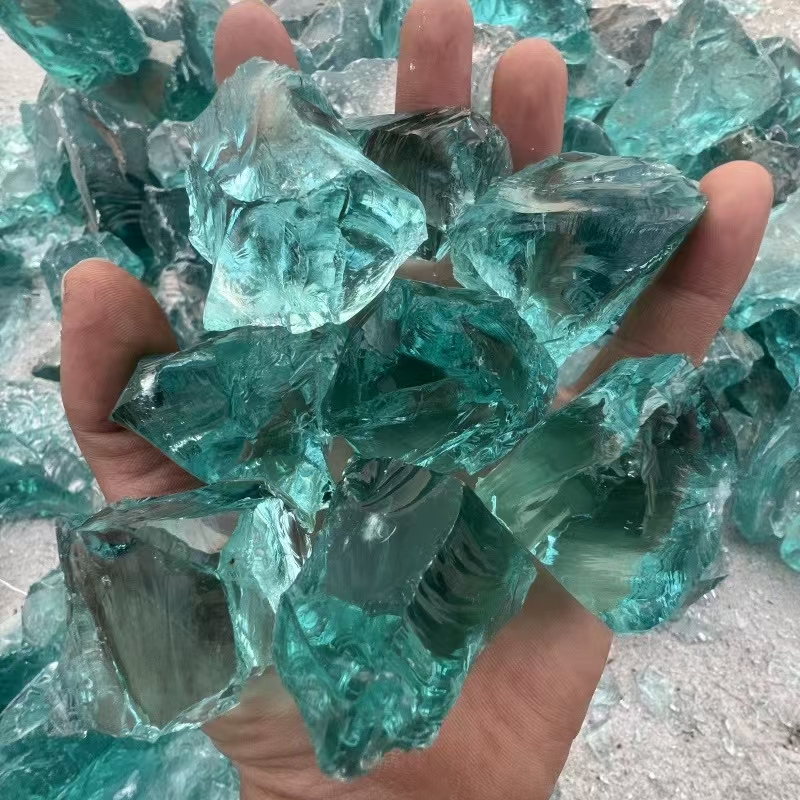
Design trends in architecture and interior decor are constantly evolving, yet certain materials consistently find their way back into the spotlight due to their timeless appeal and structural utility. Colored glass blocks, once viewed as a retro aesthetic, have made a massive comeback as a premier choice for architects and designers seeking to balance privacy with illumination. Beyond their undeniable visual impact, these blocks serve as functional elements that redefine the relationship between light and space. For project managers, builders, and creative homeowners, understanding the technical and aesthetic value of these vibrant materials is essential for crafting spaces that are both durable and inspiring.
Mastering the Art of Light and Color
The primary allure of colored glass blocks lies in their ability to manipulate natural light. Unlike solid walls that block light entirely, glass blocks act as light-diffusing agents. When sunlight hits these blocks, the color pigment infused within the glass refracts the rays, casting a soft, painterly glow that transforms any room’s atmosphere. Designers leverage this effect to create focal points—ranging from subtle, monochromatic bathroom partitions to bold, kaleidoscopic lobby feature walls. The technical nuance here is the refractive index; high-quality blocks are engineered to disperse light evenly, eliminating harsh glare while maintaining a consistent color saturation even under varying lighting conditions throughout the day.
Technical Resilience and Structural Integrity
While appearance is the initial draw, the performance of building materials is what truly defines their value. Colored glass blocks are not mere decorative accessories; they are high-strength structural components. Modern production techniques involve precise glass-to-glass fusion, creating a vacuum-sealed core that provides excellent thermal insulation and significant sound reduction. This combination of transparency and solid resistance makes them ideal for environments requiring acoustic privacy—such as modern offices or urban residential complexes facing noisy streets. Furthermore, the inherent durability of glass means these blocks are resistant to moisture, corrosion, and extreme weather, ensuring that an investment in such decorative elements remains pristine for decades, unlike painted alternatives that inevitably peel or fade.
Versatility Across Diverse Design Styles
One of the most compelling reasons for the widespread adoption of glass blocks is their versatility. They integrate seamlessly into various design languages, from the crisp, clean lines of Nordic minimalism to the raw, industrial textures of modern lofts. In a commercial context, such as a boutique hotel or a high-end retail space, glass blocks can be used to delineate zones without making the footprint feel cramped. The variety of textures available—from smooth and clear to rippled or satin finishes—allows for granular control over the level of opacity, providing the perfect balance between openness and seclusion. This flexibility empowers architects to customize environments that meet the specific functional needs of the inhabitants while maintaining a high level of aesthetic cohesion.
Sustainability and Environmental Responsibility
In today’s architectural climate, material selection is heavily scrutinized for environmental impact. Glass is inherently a sustainable material—it is 100% recyclable and durable enough to last for a lifetime, which drastically reduces the need for replacement and refurbishment. Using colored glass blocks can also contribute to lower energy consumption. By allowing natural light to penetrate deeper into building interiors, these blocks reduce the reliance on artificial lighting during daylight hours. When sourced from manufacturers who prioritize eco-friendly production, such as utilizing renewable energy for kiln heating and minimizing raw material waste, glass blocks become a champion of green building practices, effectively bridging the gap between high-design and environmental stewardship.
The Foundation of Quality Manufacturing
Creating these complex architectural elements requires more than just aesthetics; it demands industrial-grade precision. The consistency of color, the thickness of the glass wall, and the accuracy of the sealing process are critical factors that determine the long-term success of an installation. Guangchengze has focused its industrial capabilities on mastering these essential manufacturing standards. By maintaining rigorous quality control across every stage—from the selection of high-purity silica to the final inspection of each block—the company ensures that architects and wholesale buyers receive consistent, defect-free products. For those seeking to integrate high-performance glass elements into their projects, relying on established manufacturing expertise is the most reliable way to turn a complex design vision into a durable, vibrant reality. Choosing the right partner in the supply chain is the key to ensuring that every decorative wall remains a testament to quality, light, and enduring style.