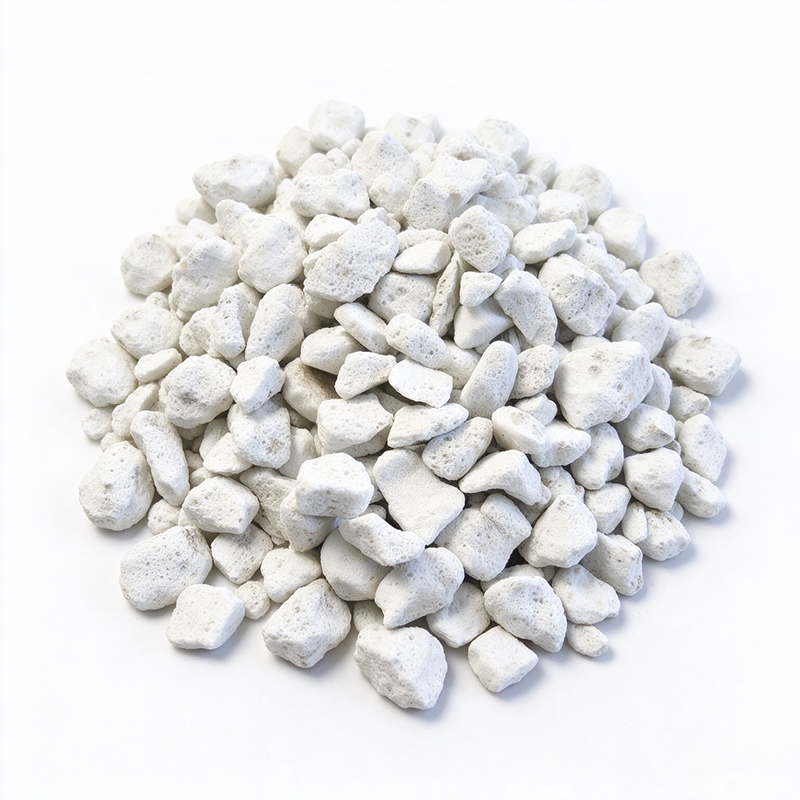
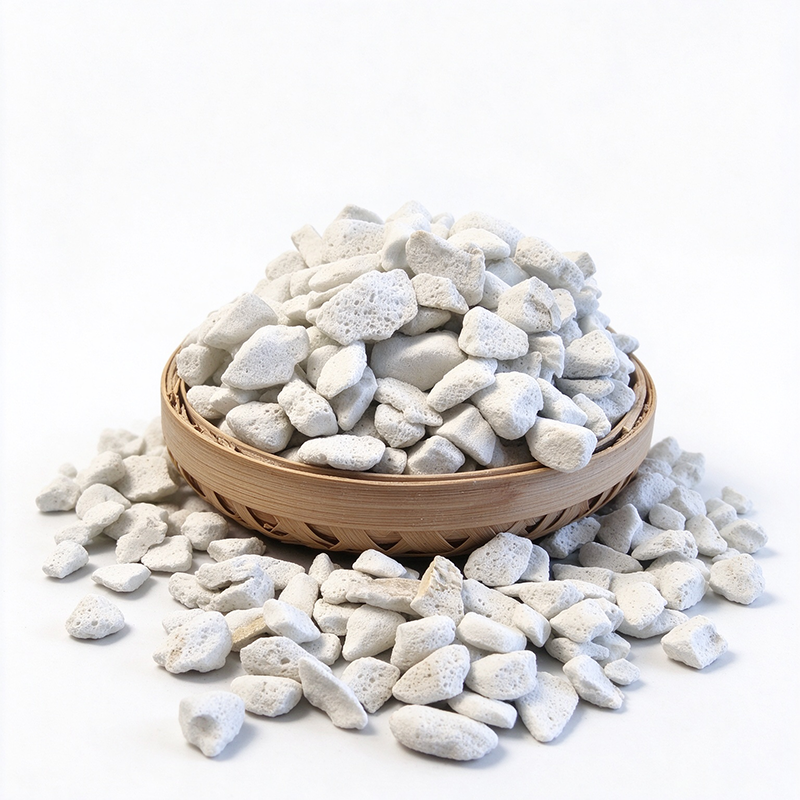
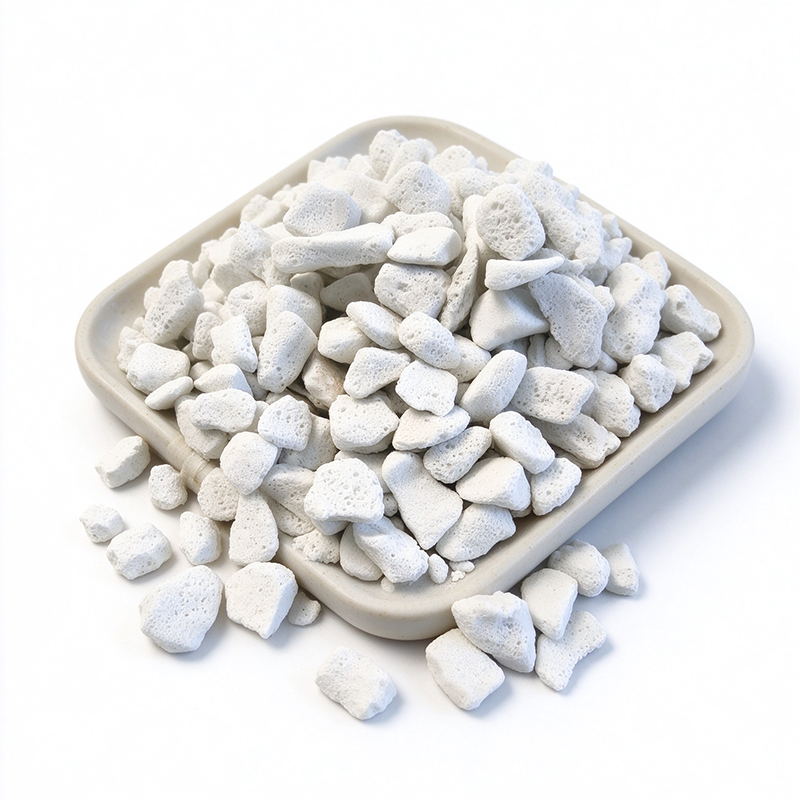
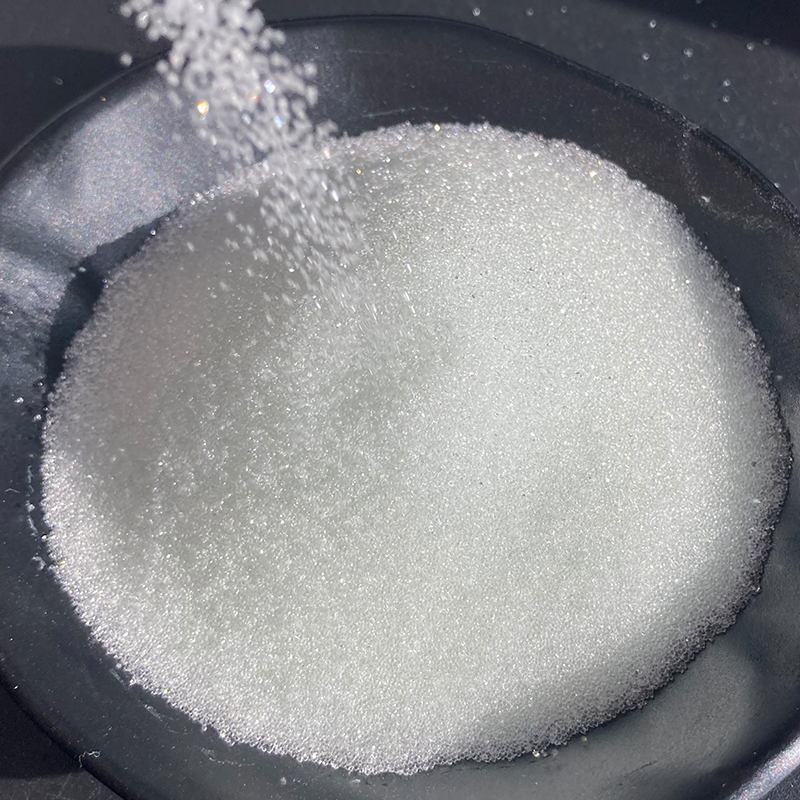
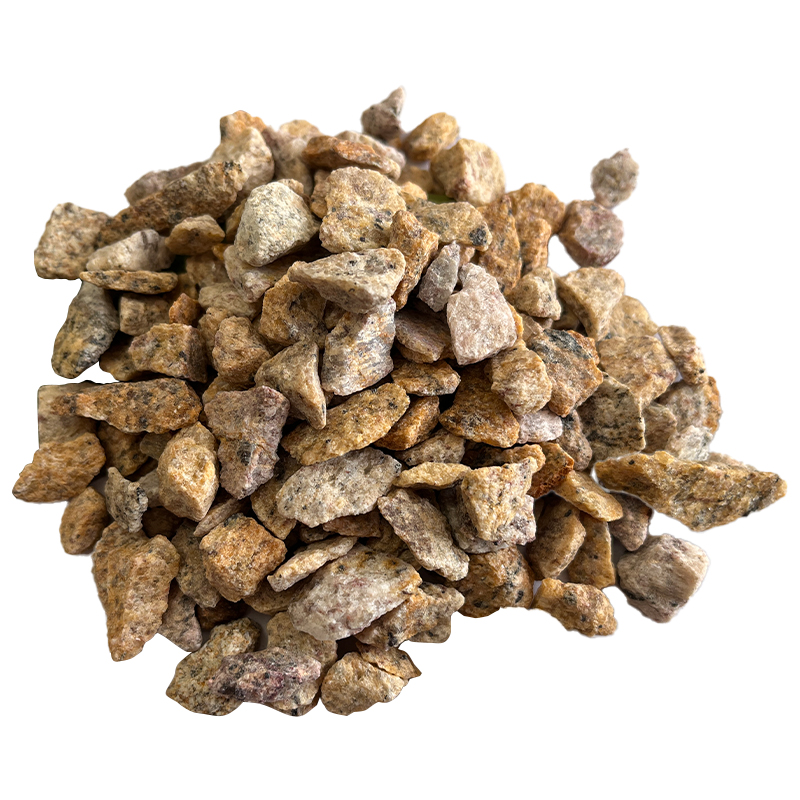
Product Name: Hard Perlite
Brand: GCZ
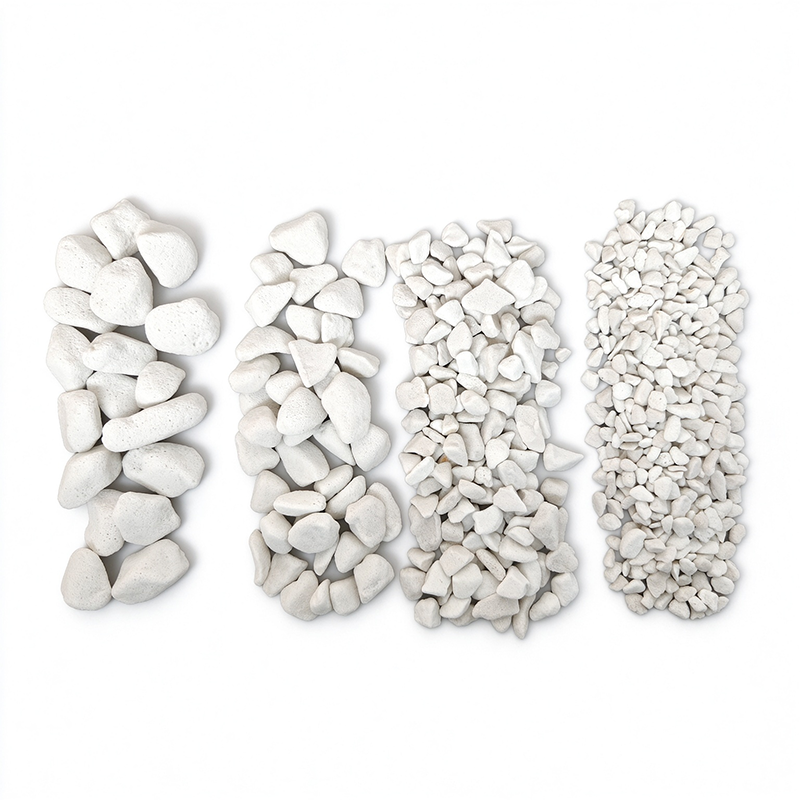
Size: 4-8mm、4-10mm、8-12mm
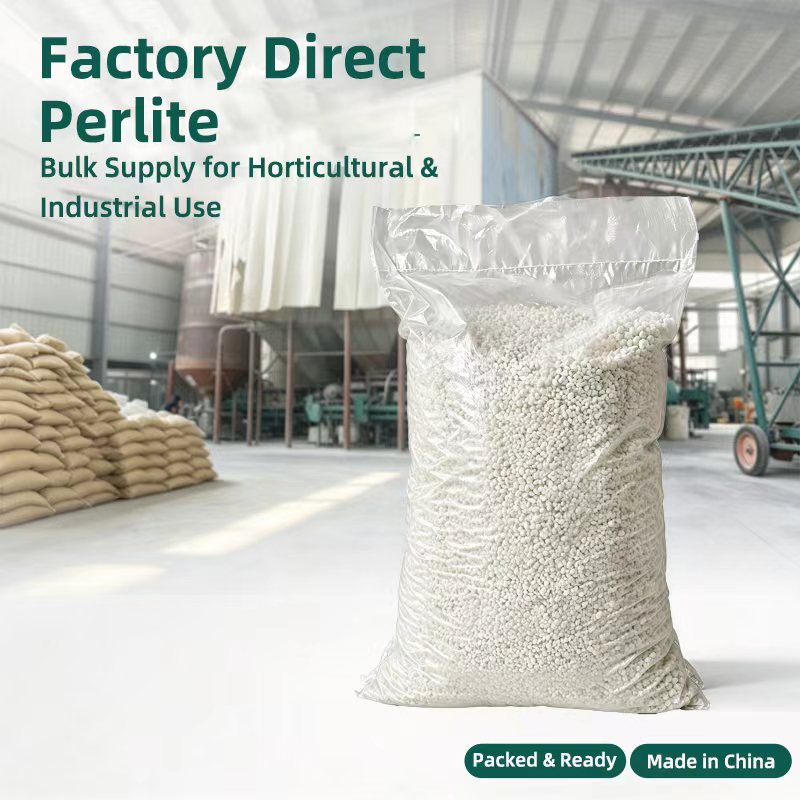
Packaging: Ton bags, Woven bags, Customized
Logo: Customizable
Samples: Available
MOQ: 50 Bags
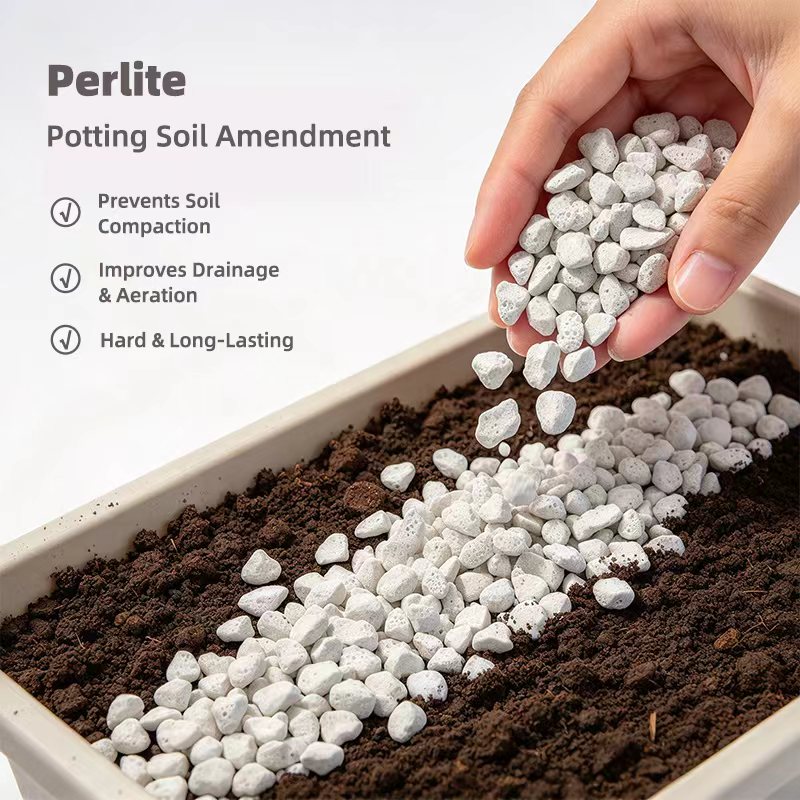
Hard perlite is a horticultural growing medium produced through a secondary high-temperature sintering process. Compared with regular perlite, it keeps the lightweight, porous and well-aerated structure while delivering far greater particle strength — it resists crushing. With a stable pH of about 7.0–7.5 and a clean, it pairs perfectly with bark, sphagnum moss and coconut husk for Phalaenopsis, Dendrobium and Cattleya orchids — ideal for potting mixes, drainage layers, seedling raising and commercial greenhouse growing.
| Specification | Value |
|---|---|
| Product Name | Hard Perlite |
| Brand | GCZ |
| Size | 4-8mm, 4-10mm, 8-12mm |
| Packaging | Ton bags, Woven bags, Customized |
| Logo | Customizable |
| Samples | Available |
| MOQ | 50 Bags |
Double-sintered and hardened; resistant to pulverization:High-temperature sintering strengthens the granular structure, ensuring the material does not crumble or break down into powder over long-term use; it offers far superior durability compared to standard perlite.
Lightweight and porous; excellent aeration and drainage:Retains the porous structure of perlite, providing superior substrate aeration and preventing water stagnation—ideally suited for the aerial roots of orchids, effectively preventing root rot.
Stable physical and chemical properties:With a pH of approximately 7.0–7.5, the material is chemically stable and does not decompose; it will not alter the pH balance of the growing medium, simplifying water and fertilizer management.
Comprehensive range of particle sizes:Available in various sizes (e.g., 4–8mm, 8–12mm), catering to diverse needs—from seed starting and seedling potting to use as a substrate for mature plants or in professional orchid greenhouses.
Highly versatile; compatible with mainstream growing media:Can be blended as desired with bark, sphagnum moss, coconut coir, or peat; it also performs exceptionally well when used independently as a drainage layer or as a top dressing for pots.
Orchid Substrate Mixes:Ideal for Phalaenopsis, Dendrobium, Cattleya, and Cymbidium (Chinese orchids). Can be used as a primary substrate—either alone or blended with bark, sphagnum moss, or coconut husks—to promote aeration and protect roots.
Drainage Layers and Top Dressing:Use at the bottom of pots to ensure drainage and prevent water stagnation or root rot; use as a top dressing to keep the surface clean and aesthetically pleasing.
Large-Scale Cultivation (Orchid Nurseries and Greenhouses):Suitable for filling seedbeds and greenhouse cultivation benches. Highly durable and long-lasting, making it well-suited for intensive, large-scale management.
Succulents and Foliage Plants:Enhances the aeration of substrates for succulents and foliage plants; can also be used as a top dressing to deter pests and prevent soil splashing during watering.
1: Why is it particularly suitable for growing orchids?
A: Orchid roots require good aeration and are sensitive to waterlogging. Hardened perlite is porous, lightweight, and offers excellent drainage. It provides a stable, airy environment for aerial roots and—when combined with bark or sphagnum moss—helps prevent root rot. It is a commonly used medium for plants such as Phalaenopsis (moth orchids) and Dendrobium.
2: How should it be mixed and used?
A: A common approach is to mix it with bark or coconut husks at a ratio ranging from 1:1 to 1:3 to serve as the primary growing medium. Alternatively, it can be laid as a 2–3 cm drainage layer at the bottom of the pot. The exact ratio can be adjusted based on the specific plant variety and your watering habits; for larger plants or varieties that prefer drier conditions, the proportion of perlite can be increased.
3: What is its pH level? Will it affect the acidity or alkalinity of the growing medium?
A: The product has a pH of approximately 7.0–7.5. It is chemically stable, does not undergo decomposition, and will not significantly alter the pH of the growing medium. It can be safely used in combination with slightly acidic materials like bark or sphagnum moss.
4: Is additional fertilization required?
A: Hardened perlite is an inert medium containing no nutrients of its own. It should be used in conjunction with slow-release fertilizers or nutrient solutions. This gives you full control over nutrient levels and minimizes the risk of "root burn."
5: Will it crumble or turn into powder?
A: No. Thanks to a secondary sintering (firing) process, the granules possess high structural integrity. They are resistant to breaking or crumbling during routine handling, potting, or washing—making them far more durable than standard perlite.
6: Are there minimum order quantities (MOQ)? Is customization available?
A: Customization based on particle size and packaging specifications is available. Please contact our sales team to confirm minimum order quantities and lead times. Samples can also be provided for initial trial planting and evaluation.

Building 3, Block H, Poly Garden, Chang'an District, Shijiazhuang City, Hebei Province
Copyright © 2026 by Hebei Guangchengze Import And Export Trading Co., Ltd. | Privacy policy
 EN