Product Name: Red Volcanic Rock
Brand: GCZ
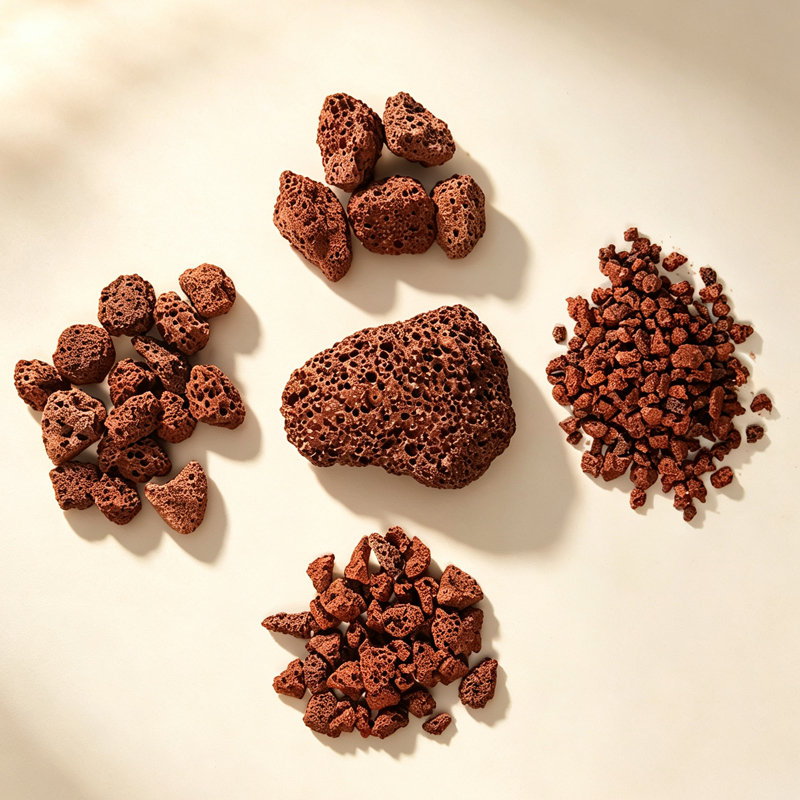
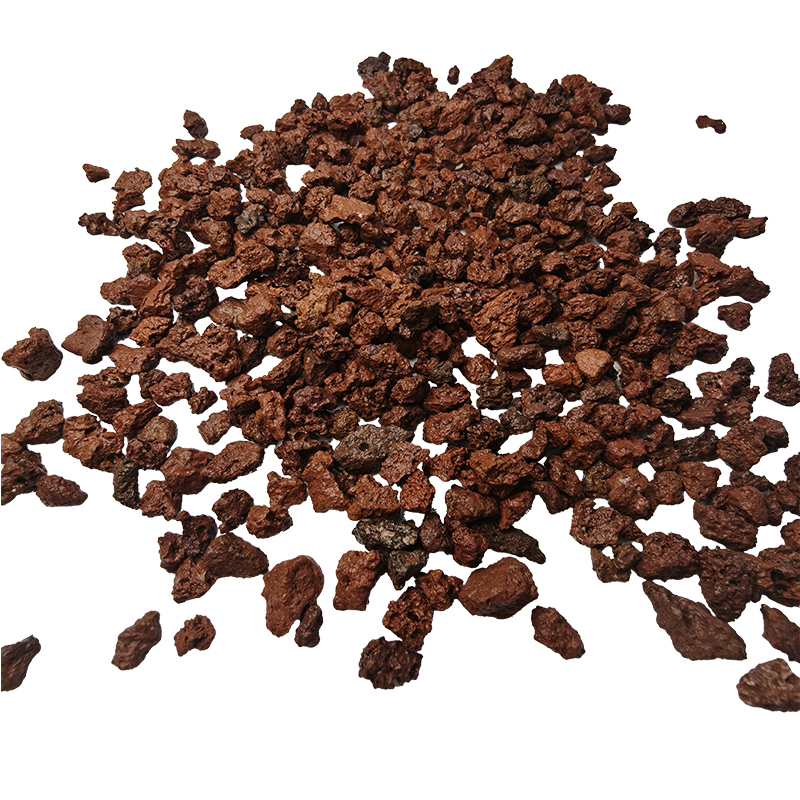
Size: 1-3mm, 3-6mm, 6-9mm, 9-12mm, 1-3cm, 2-3cm, 3-5cm
Packaging: Ton bags / Woven bags / Customized
Logo: Customizable
Samples: Available
Minimum Order Quantity: ≥500 kg
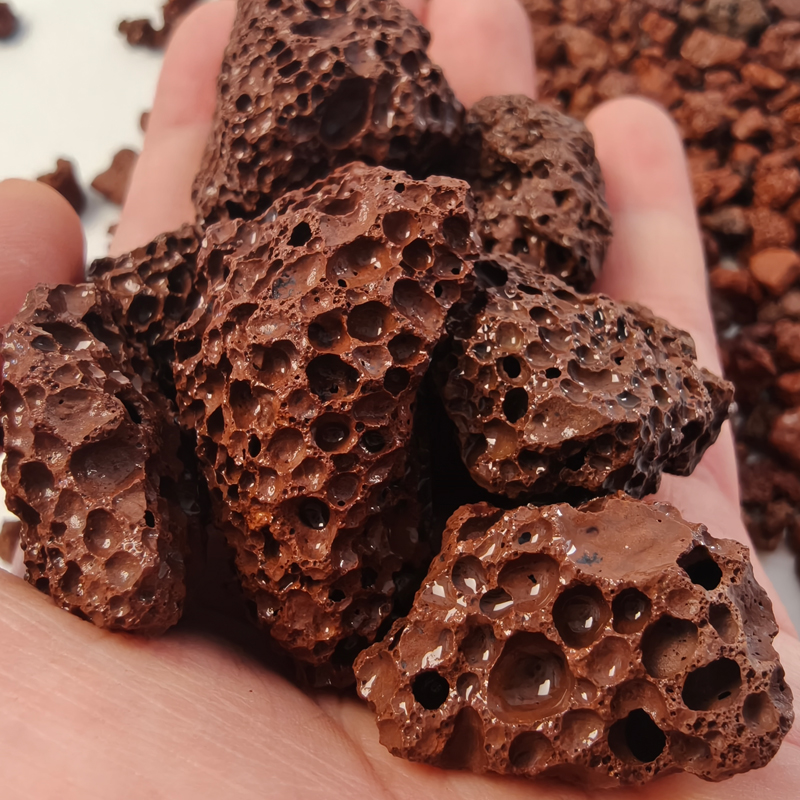
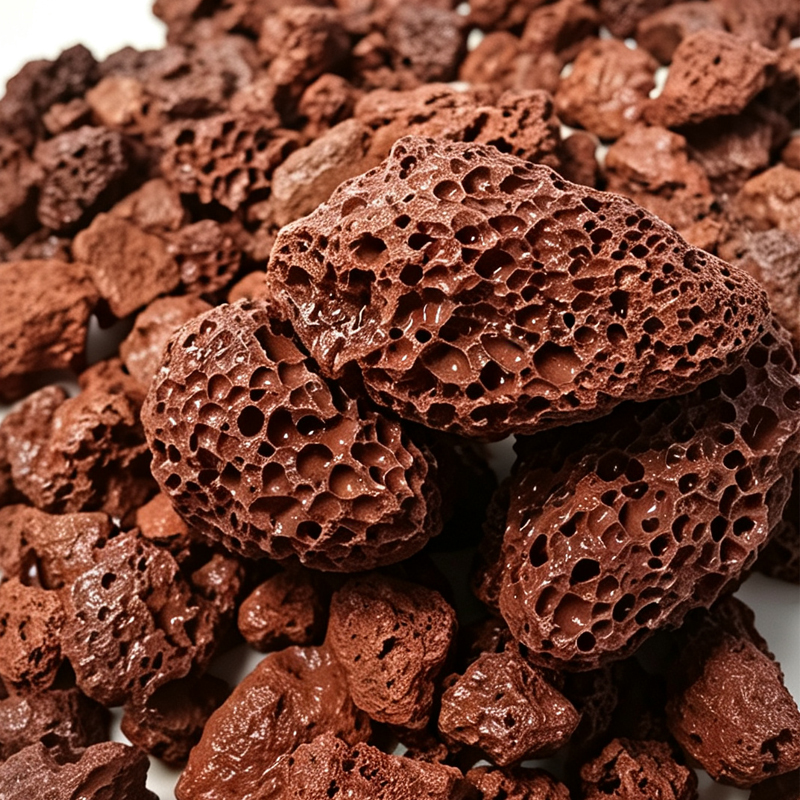
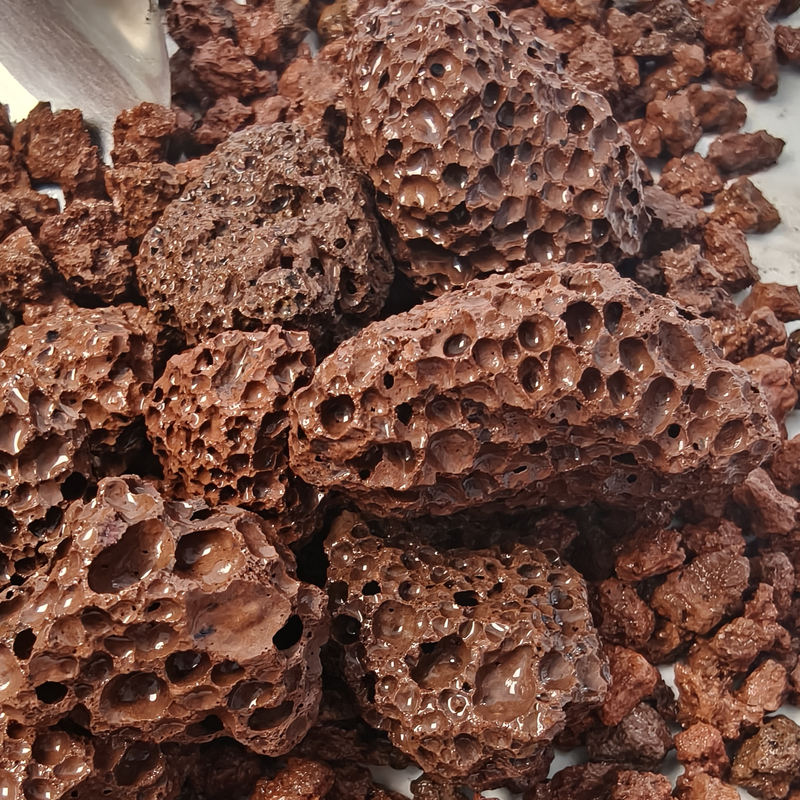
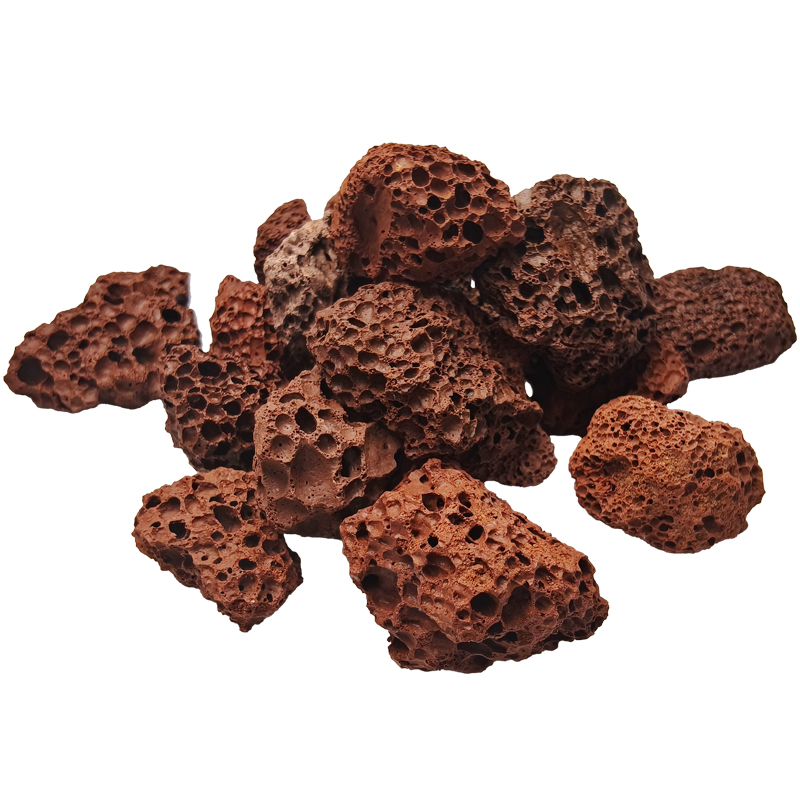
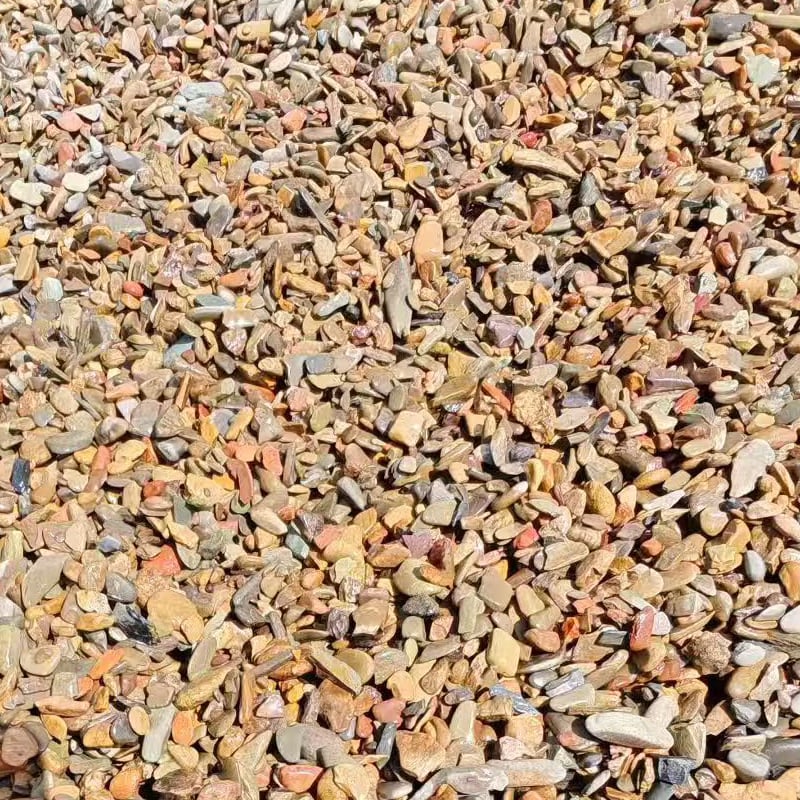
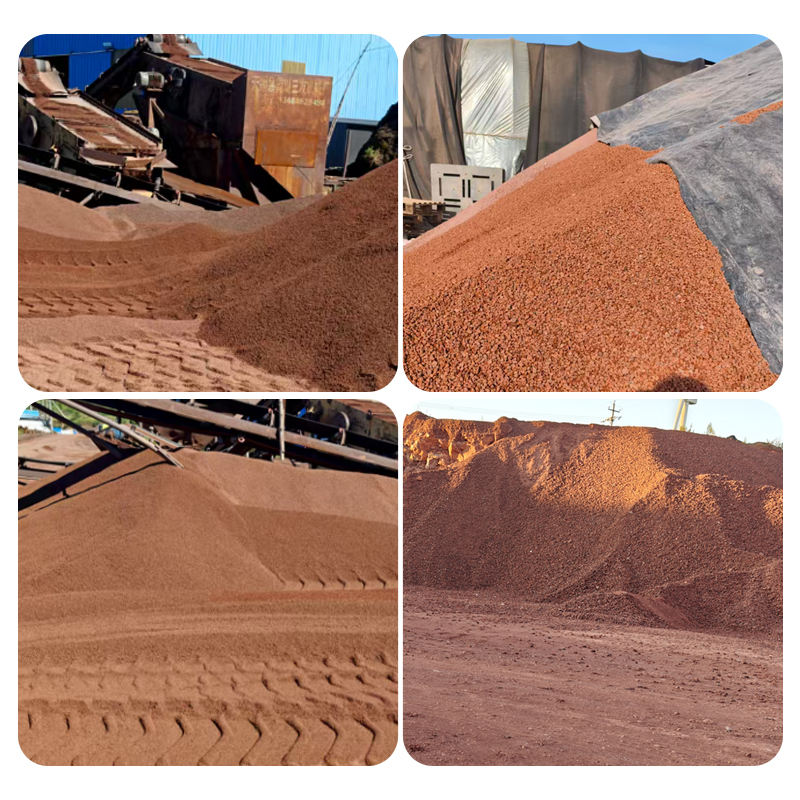
Produced by mining, crushing, and processing natural volcanic rock, this material features a uniform brick-red color and is riddled with natural honeycomb-like pores. It is screened and washed to remove dust and impurities and is available in a full range of particle sizes. Free from artificial dyes and chemical additives, this lightweight, porous natural volcanic aggregate is ideal for gardening, aquarium landscaping, and filtration/purification applications.
| Specification | Value |
|---|---|
| Product Name | Red Volcanic Rock |
| Brand | GCZ |
| Size | 1-3mm, 3-6mm, 6-9mm, 9-12mm, 1-3cm, 2-3cm, 3-5cm |
| Packaging | Ton bags / Woven bags / Customized |
| Logo | Customizable |
| Samples | Available |
| Minimum Order Quantity | ≥500 kg |
Porous honeycomb structure with excellent breathability and water absorption: Densely packed with internal micropores, it loosens the soil when mixed in, absorbs water and nutrients, and prevents the potting mix from compacting or suffocating roots.
Naturally mildly acidic, ideal for acid-loving plants: A naturally acidic substrate suitable for plants such as roses, blueberries, succulents, and orchids, helping to regulate soil pH.
Lightweight yet durable, resistant to crumbling: Lightweight and sturdy enough to withstand repeated watering without breaking down; suitable for soil mixing or top-dressing without clogging drainage holes over time.
Naturally sterile and free of insect eggs: Derived from high-temperature volcanic rock, it contains no weed seeds or insect eggs, thereby reducing the risk of pest infestations and mold growth.
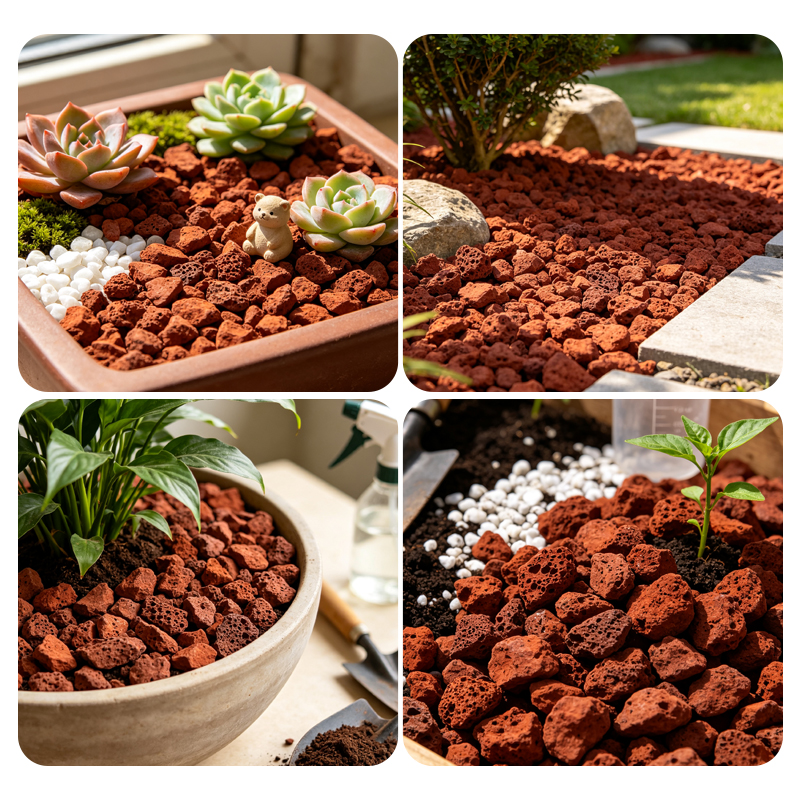
Horticulture: Soil amendment for succulents and orchids; top-dressing for pots; drainage layers; loosening compacted garden soil
Aquarium Filtration: Filter media for fish tanks and ponds; adsorbs impurities and odors; cultivates nitrifying bacteria to purify water
Aquascaping: Stones for biotope and paludarium layouts; pairs with aquatic plants to create natural scenery
Garden Landscaping: Decorative surfacing for dry creek beds, flower beds, and tree pits
Industrial Filtration: Filtration layers for ponds, wastewater treatment, and landscape features
1. Why is red volcanic rock red?
When magma erupts and contacts the air, the iron within it undergoes significant oxidation to form iron oxide, which evenly coats and permeates the mineral crevices of the rock. The intensity of the red color correlates with the degree of oxidation: higher oxidation yields a deeper red, insufficient oxidation results in purplish-brown or orange-red hues, and low iron content produces a pale brick-red color.
2. What is the difference between red volcanic rock and ordinary black volcanic rock?
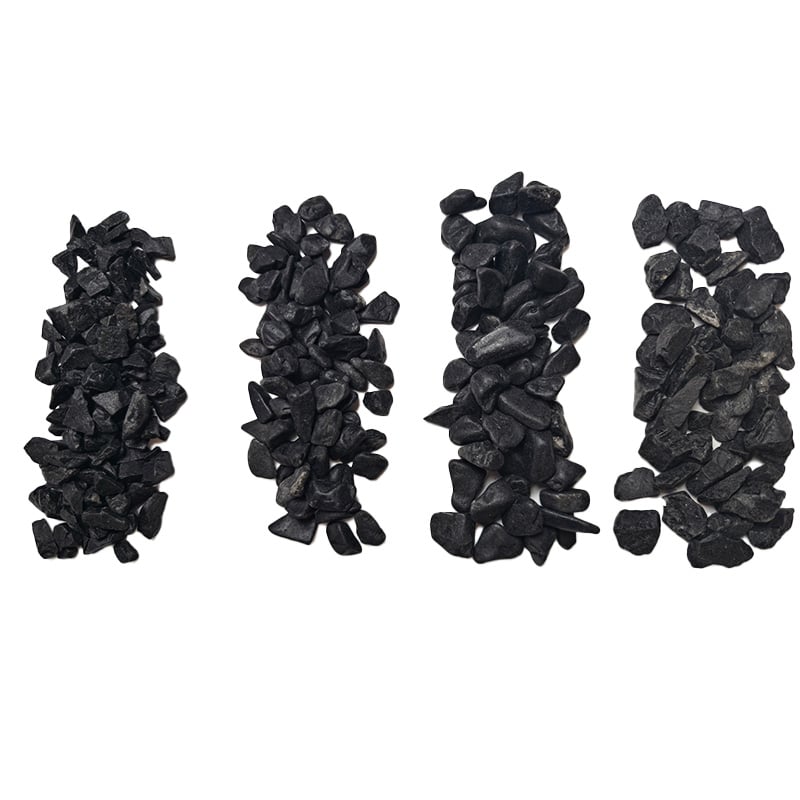
Color: Red volcanic rock appears red due to iron oxides, whereas the iron in black volcanic rock remains unoxidized, existing primarily as ferrous minerals. Formation environment: Red volcanic rock typically erupts at the surface and undergoes full oxidation upon exposure to air, while black volcanic rock often forms via underwater eruptions or rapid deep burial that excludes oxygen. Texture: At similar porosity levels, red volcanic rock exhibits a higher degree of weathering and a relatively looser texture.
3. Is red volcanic rock porous? How is its air permeability?
The vast majority of red volcanic rocks feature a natural, honeycomb-like microporous structure with highly interconnected pores, resulting in excellent air and water permeability. Dense varieties of red volcanic lava have fewer pores and lower permeability; one can select the appropriate type based on the density of the holes.
4. Is red volcanic rock resistant to high temperatures and corrosion?
Native volcanic rock is heat-resistant with a high melting point, making it unlikely to crack under short-term exposure to open flames. Its resistance to acids and alkalis is moderate; prolonged immersion in high-concentration strong acids can slowly dissolve the surface iron oxide, causing the color to fade or turn whitish. However, it remains highly stable in everyday water conditions and weakly alkaline environments.
5. Can red volcanic rock be placed directly into an aquarium? Does it affect water quality?
It can be used directly after a thorough rinse. Natural red volcanic rock is weakly acidic and can slightly soften the water, making it suitable for South American fish, Crystal Red shrimp, and planted tanks. When keeping goldfish or koi in hard water, it should be paired with alkaline filter media to neutralize the acidity.
6. How should red volcanic rock be stored to prevent crumbling or powdering?
Store in a dry, well-ventilated area and avoid prolonged exposure to rain or soaking outdoors. Keep fine granules in sealed containers and place large raw stones in dry corners to minimize crumbling caused by long-term dampness and weathering.

Building 3, Block H, Poly Garden, Chang'an District, Shijiazhuang City, Hebei Province
Copyright © 2026 by Hebei Guangchengze Import And Export Trading Co., Ltd. | Privacy policy
 EN
EN