 EN
EN


How do you mix the growing medium for succulents? The ideal ratio of perlite to nutrient-rich soil
How to Mix Succulent Substrate? The "Golden Ratio" of Perlite and Potting Soil
Many succulent enthusiasts face a common dilemma: despite careful tending, their plants inexplicably suffer from root rot, leggy growth, or mushy, waterlogged leaves—with no improvement seen despite repeated adjustments to watering. In the vast majority of cases, the issue lies not with the watering itself, but with an improper soil mix.
Ready-made potting soils on the market are rich in organic matter but often retain too much water; planting succulents directly in them can easily lead to water accumulation and root suffocation. Conversely, using only granular soil lacks the necessary organic nutrients, causing stunted growth or "stalled" plants. Perlite is a cost-effective and easily accessible soil amendment. You don't need complex or expensive media; simply mixing perlite with potting soil—adjusted according to the plant's growth stage—creates a substrate suitable for most succulent varieties.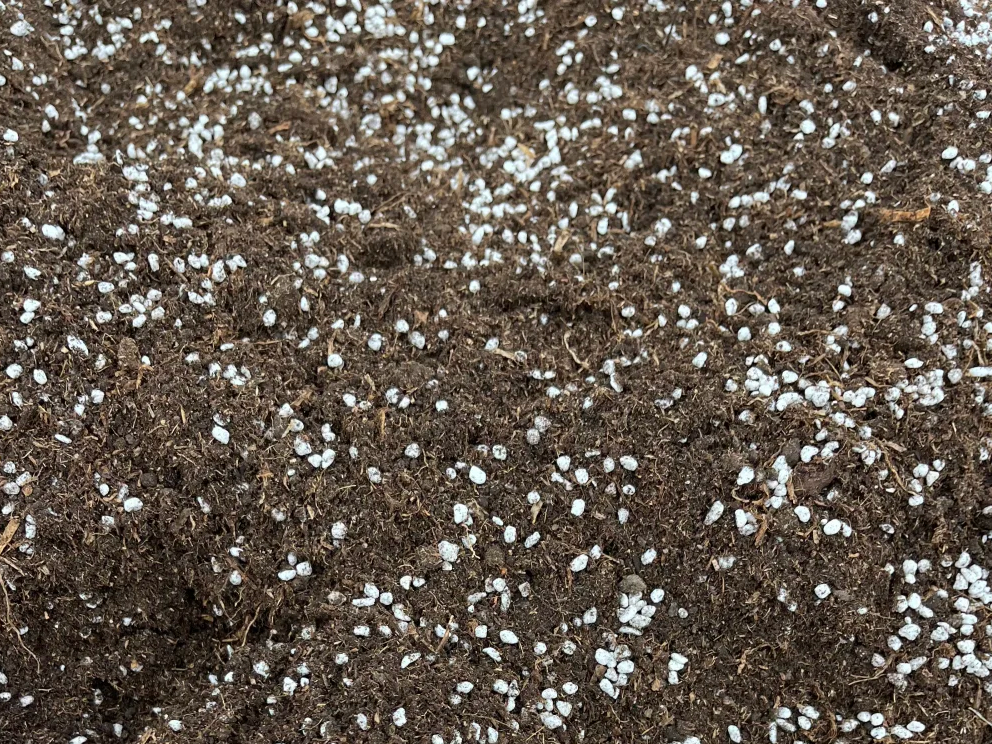
I. The Roles of Potting Soil and Perlite
Standard Potting Soil
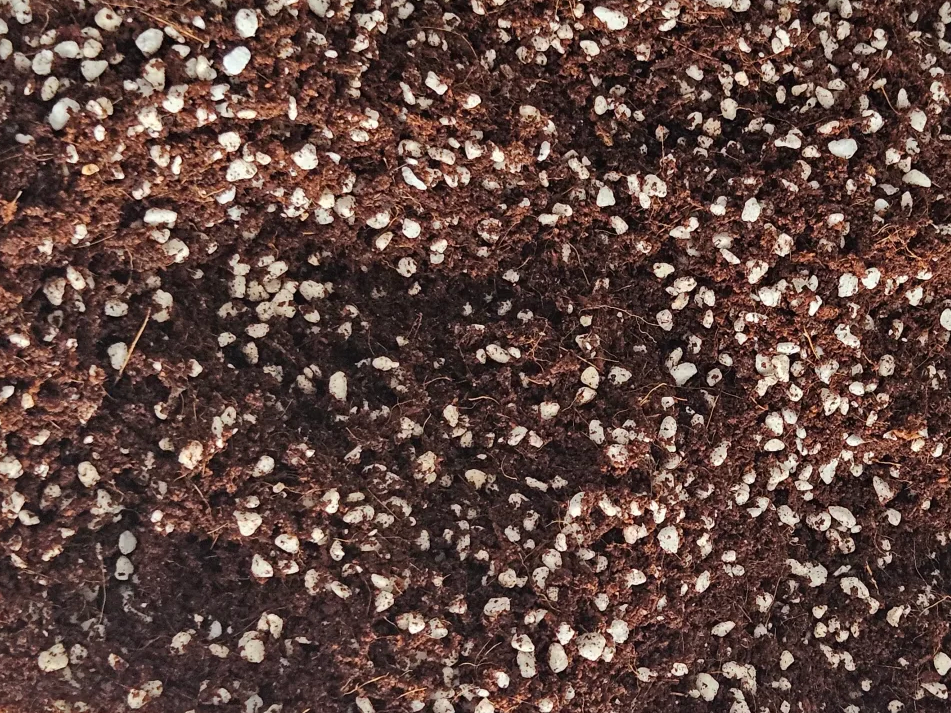
Provides organic matter and basic nutrients while retaining some moisture to support root growth. Its downsides include poor aeration and a tendency to compact when wet; using it alone often leads to waterlogging. It is best to choose fully composted potting soil and avoid mixes containing uncomposted raw fertilizer, which can burn the roots.
Perlite
A lightweight, white granular material created through high-temperature expansion. Its primary function is to create air pockets within the soil, significantly improving drainage and aeration while reducing the overall weight of the potting mix. It is affordable and easy to source.
⚠️ Important Note: Perlite contains virtually no nutrients on its own and should not be used alone for succulents; it is intended for mixing with potting soil. Ideally, choose perlite granules in the 3–6mm size range.
II. The "Golden Ratio" for Perlite and Potting Soil
There is no single fixed ratio; the ideal mix depends on the plant's size and growth stage, as well as local climate conditions.
For seedlings grown from leaf cuttings or seeds, mix potting soil and perlite in a 7:3 ratio. Seedlings have delicate root systems that require more nutrients and moderate moisture retention, so the proportion of perlite should not be too high; this ratio helps seedlings quickly develop roots and leaves. For the routine care of mature succulents (1–3 years old)—the most common scenario—a 50/50 mix of nutrient-rich potting soil and perlite is recommended. This is a highly versatile "golden ratio" that balances nutrient supply with drainage and aeration; it is suitable for both indoor and balcony environments and works well for most *Crassulaceae* succulents.
For "old-stock" plants with woody stems or varieties highly prone to root rot, the proportion of perlite should be increased to a 3:7 ratio (soil to perlite). Woody root systems are sensitive to stuffy, humid conditions; a higher perlite content enhances drainage, making it ideal for controlled growth and shaping while minimizing the risk of black rot.
Environmental Adjustments
If your environment is humid, rainy, or poorly ventilated, add another 10–20% perlite to reduce the risk of root suffocation. Conversely, in hot, dry environments where moisture evaporates quickly, you can slightly increase the proportion of potting soil to prevent the substrate from drying out too fast.
III. Step-by-Step Guide to DIY Succulent Substrate
1. Material Selection: Use fully decomposed/composted potting soil. For perlite, prioritize 3–6mm granules and be sure to sift out fine dust and powder. Perlite dust clogs soil pores and ruins aeration—an often-overlooked reason why many soil-mixing attempts fail.
2. Thorough Mixing: Pour the soil and sifted perlite into a container according to your chosen ratio and mix thoroughly; avoid simply layering the soil and granules on top of each other.
3. Potting with Slightly Moist Soil: Adjust the mixed substrate so it is slightly damp—it should form a clump when squeezed but crumble apart with a light touch. Never use soaking wet soil for potting.
4. Adding a Drainage Layer (Optional): Place a small amount of large-grain expanded clay pebbles at the bottom of the pot to further improve drainage. The pot must have drainage holes.
IV. Common Mistakes to Avoid
1. Thinking "More Perlite is Better": Pure perlite offers almost no nutrients; without proper nourishment, succulents will become stunted and shriveled. The proportion of granules must be adjusted based on the specific needs of the plant.
2. Directly planting succulents in store-bought potting soil: Standard potting soil retains moisture well but lacks a loose, granular structure; in indoor environments, this easily leads to water accumulation and root rot, so using it directly for succulents is not recommended.
3. Skipping the sifting step: Perlite naturally contains fine dust; if not sifted out, these particles can clog soil pores after mixing. Even with the correct mixing ratio, this can still cause root suffocation.
4. Using a single soil mix for all succulents: Seedlings, mature plants, and "old-stock" specimens (mature plants with woody stems) have vastly different root system requirements. Using one soil mix for all of them can easily lead to issues like stunted growth in seedlings or root rot in older plants.
V. Maintenance tips after mixing the soil
No matter how high-quality the succulent substrate is, proper care is essential. Even with a more breathable substrate, continue to follow the "soak and dry" watering principle (watering thoroughly only when the soil is completely dry); ensure pots have drainage holes; and when growing indoors, keep windows open for ventilation as much as possible to further minimize the risk of root rot.
Summary
Creating a soil mix for succulents doesn't require piling together a dozen expensive ingredients. The simple combination of perlite and standard potting soil is low-cost, easy to source, and beginner-friendly. By simply adjusting the ratio based on the plant's stage—seedling, mature plant, or old-stock specimen—and making flexible tweaks to suit your living environment, you can significantly reduce the incidence of root rot and black rot.
