 EN
EN


How to Select High-Quality, Dust-Free Horticultural Vermiculite? Avoid Buying Inferior Powdered Material
The biggest worry when buying horticultural vermiculite is receiving a product full of dust and fine debris. This article shares practical tips for identifying high-quality, dust-free vermiculite and spotting inferior raw materials, helping you avoid pitfalls when preparing soil mixes for seed starting and cuttings.
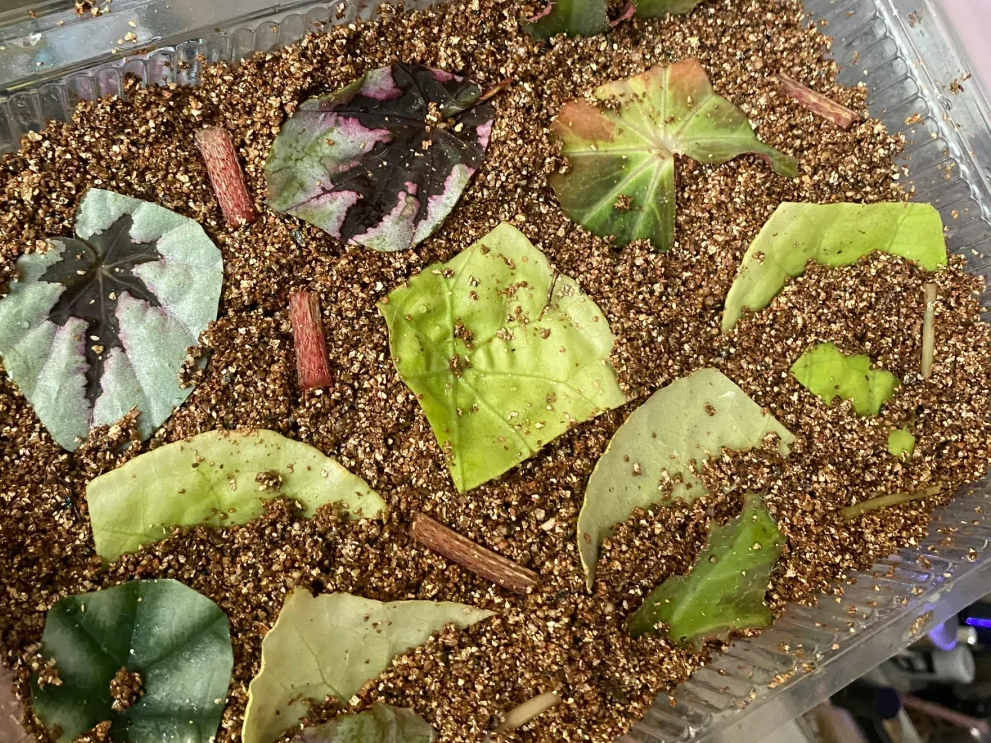
Whether for sowing seeds and propagating cuttings on a home balcony or mixing potting substrates for greenhouse plants, horticultural vermiculite is a highly popular growing medium. However, many gardening enthusiasts frequently encounter problems after purchasing it: the bag is often filled mostly with fine powder that billows dust upon opening; after watering, the soil compacts and suffocates the roots, drastically reducing seedling emergence rates.
Many vendors pass off crushed raw vermiculite ore—which has not undergone high-temperature expansion—as horticultural vermiculite, making it difficult for the average consumer to tell the difference at a glance. This article shares simple, practical identification tips to help you avoid low-quality powdered products and select genuine, dust-free horticultural vermiculite.
I. What harm does low-quality powdered vermiculite cause to plants?
Many people assume it doesn't matter if vermiculite is a bit "crushed," but low-quality, powdered vermiculite actively damages the growing environment:
1. Loss of aeration, leading to root suffocation and rot: The primary value of vermiculite lies in the porous, flake-like structure formed after high-temperature expansion. Powdered versions have had this porous structure destroyed; they compact and harden upon contact with water, depriving roots of oxygen and causing rot, which makes seedlings highly susceptible to "damping-off" and death.
2. Excessive dust, affecting health: Dust from low-quality powdered vermiculite flies everywhere when the bag is opened or the material is poured, irritating the nasal passages and throat, and making the indoor gardening experience unpleasant.
3. Virtually no water or nutrient retention: High-quality horticultural vermiculite relies on its expanded, porous structure to lock in moisture and nutrients; unexpanded crushed ore absorbs water poorly and is ineffective at retaining nutrients.
4. Risk of impurities: Cheap powdered vermiculite is often contaminated with silt, sand, and gravel; waste-grade raw materials may harbor insect eggs or mold spores, easily triggering soil-borne diseases.
II. 5 simple, practical methods to identify high-quality, dust-free horticultural vermiculite
You don't need professional testing equipment; you can perform these tests yourself at home after receiving the product.
1. Observe the appearance and particle shape
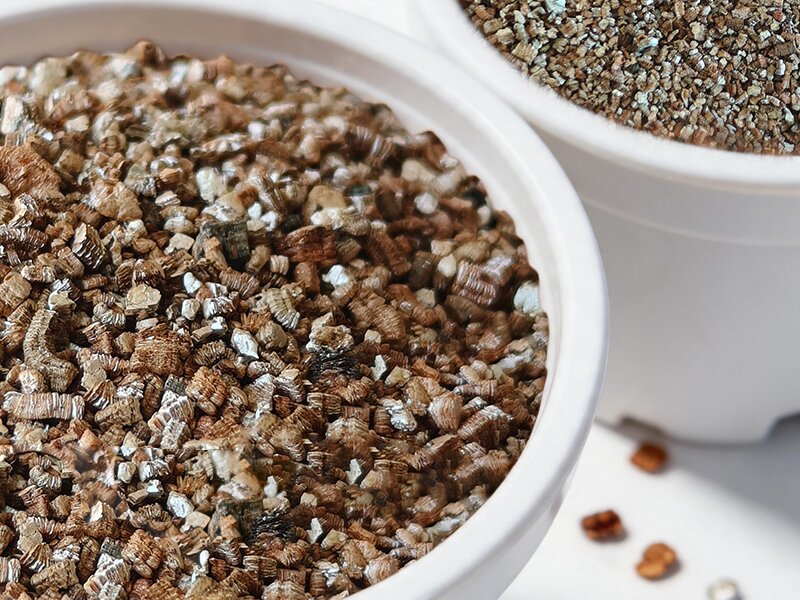
✅ High-quality dust-free horticultural vermiculite: Golden-yellow, bronze, or silvery-white in color; consists of thin, curled, intact flake-like particles of uniform size; no significant amount of dark gray or black fine dust is visible inside the bag.
❌ Low-quality powdered material: Dull, dark, or blackish color; very few intact thin flakes; mostly fine, crushed slag powder; the inner walls of the bag are coated with a thick layer of black dust.
2. Rubbing/dust test (the key method for checking dust levels)
Grab a handful of vermiculite, squeeze and rub it vigorously in your palm, then open your hand to observe.
✅ High-quality dust-free vermiculite: Almost no black dust residue on the palm; only a tiny amount of fine debris.
❌ Low-quality powdered vermiculite: Palm is coated with a layer of dark gray/black mineral powder; the hand is visibly blackened.
3. Water immersion test
Prepare a glass of clean water and sprinkle a small amount of vermiculite onto the surface.
✅ High-quality expanded horticultural vermiculite: Most particles float on the surface and slowly absorb water before sinking; the water remains clear, and the vermiculite retains its intact flake shape.
❌ Low-quality powdered vermiculite: Large amounts of powder sink rapidly; the water instantly turns murky and dark; significant fine dust remains suspended in the water.
4. Smell test
✅ Certified horticultural vermiculite: Processed via high-temperature roasting; virtually odorless.
❌ Low-quality slag powder: Strong earthy or dusty odor; some industrial recycled materials may have a pungent smell.
5. Verify processing method: High-temperature expansion + multi-stage dust removal/screening
True horticultural-grade vermiculite requires the raw mineral to undergo high-temperature roasting for expansion, followed by multi-stage screening and dust removal. When purchasing, confirm two points with the supplier: ① Has the product undergone high-temperature expansion? ② Has it undergone dust removal and screening? Products labeled simply as "vermiculite" without specifying "horticultural grade" or "expansion process" carry a high purchasing risk.
III. Three common pitfalls when purchasing horticultural vermiculite
1. The "ultra-low price" trap: Prices far below market rates for the same specifications usually indicate crushed slag masquerading as the finished product. The packaging may look large, but the actual content of expanded vermiculite is low; while it might seem like a cost-saving choice, you are essentially paying for a large amount of useless dust.
2. Vague specifications and missing particle sizes: Product pages often simply state "Horticultural Vermiculite" without specifying the particle size in millimeters. Sellers may ship inconsistent batches containing excessive fine powder. Always verify the particle size before purchasing.
3. Confusing industrial vermiculite with horticultural vermiculite: Industrial vermiculite is primarily used for fireproofing and insulation; it lacks dedusting and screening processes, resulting in high dust levels. It is unsuitable for gardening or seedling propagation, yet many sellers pass it off as horticultural vermiculite.
IV. Tips for the Proper Use of Horticultural Vermiculite
Vermiculite has excellent water-retention properties; it is not recommended for use as a standalone growing medium. Instead, mix it with materials such as coco coir, peat moss, and perlite.
Even with "dust-free" varieties, wearing a mask is recommended when handling large quantities to minimize the inhalation of fine airborne dust. Lightly misting the material before pouring can further reduce dust generation.
Store in a dry, well-ventilated area, as vermiculite tends to clump when exposed to moisture.
V. Summary
When selecting horticultural vermiculite, do not base your decision solely on the unit price. Key criteria include: a high-temperature expanded flake structure, low dust content, and clearly labeled particle specifications. Avoid raw mineral slag powder that has not undergone the expansion process; using the right product ensures you fully benefit from vermiculite's water-retention and aeration properties, leading to successful results in seeding, propagation, and potting.
If you are looking to purchase high-quality, dust-free horticultural vermiculite, we invite you to browse our product range. We offer a complete selection of particle sizes—all processed via high-temperature expansion and multi-stage dedusting and screening—making them ideal for seedling propagation, cuttings, soil amendment for potted plants, and more.
