 EN
EN


Overwintering Indoor Plants: A Guide to Choosing Breathable Substrates
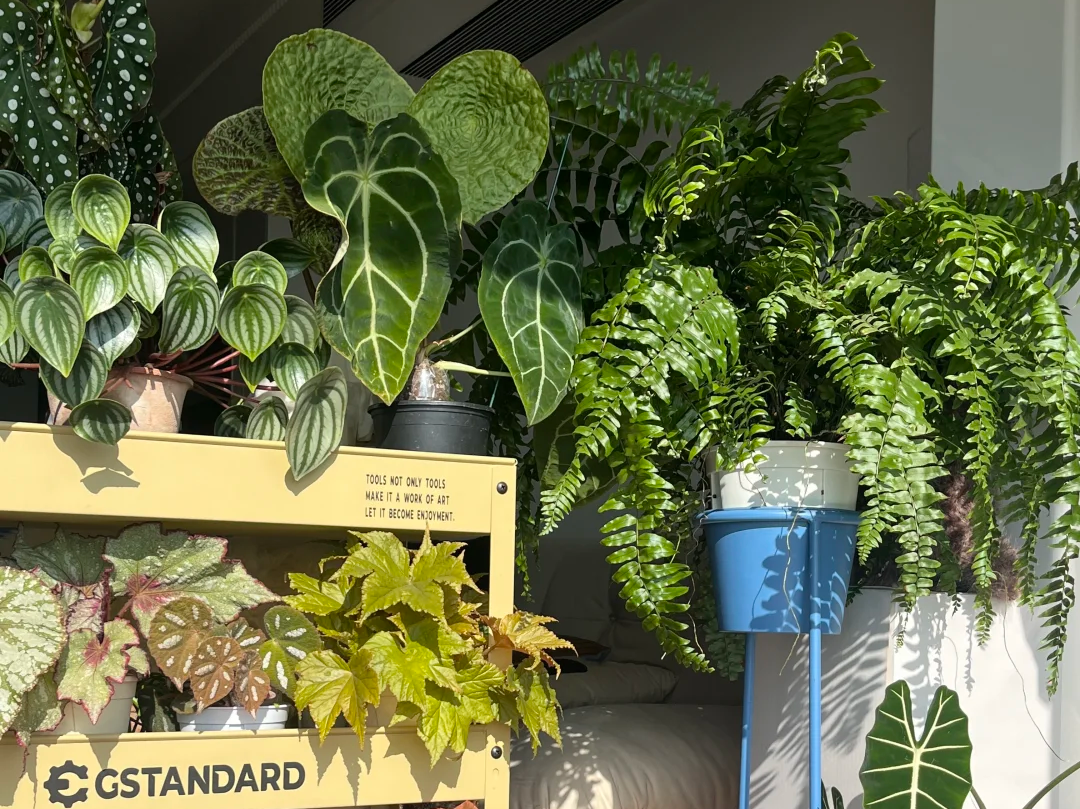
When indoor plants develop yellow leaves, drop flower buds, or exhibit blackened roots during winter, the cause is often not low temperature, but rather root-zone oxygen deprivation. Indoor light levels and transpiration rates decrease, yet watering schedules often remain unchanged; this keeps the growing medium near saturation for extended periods, inhibiting root respiration. Consequently, the priority for winter care is often not raising the temperature, but restoring airflow to the root zone.
I. Why winter issues often originate in the growing medium
Roots require oxygen for growth and nutrient uptake. When pore spaces are filled with water, the rate of oxygen diffusion through water is far slower than through air, causing oxygen in the root zone to deplete rapidly. Under oxygen-deprived conditions, roots switch to anaerobic respiration—a less efficient process that produces byproducts such as ethanol and aldehydes. Above-ground symptoms include leaf paling, stunted shoot growth, and premature leaf drop. These symptoms differ from cold injury and represent a category of problems frequently misdiagnosed during winter.
II. Measuring "breathability" via air-filled porosity
To assess the breathability of a growing medium, the industry uses the Air-Filled Porosity (AFP) metric: the percentage of volume occupied by air after the medium has been fully saturated and allowed to drain freely. Commercial growing media typically have an AFP of 10%–30%, with most container crops thriving in the 15%–25% range; seedling media have lower AFP (around 10%–15%) to prioritize water retention. For reference, soilless media generally have a total porosity of 75%–95% and a container water-holding capacity of 65%–80%. Since the same batch of medium performs differently depending on pot shape and compaction levels, "breathability" is the combined result of the medium, the container, and the watering regimen—not merely a fixed label.
III. Container shape can amplify risks
A zone of perched water (retained water) forms at the bottom of every container; the height of this zone is determined by the properties of the growing medium itself, independent of the pot's overall size. The shallower the pot, the greater the proportion of its total volume occupied by this perched water zone. For the same peat-based substrate, the Air-Filled Porosity (AFP) might be less than 1% in a shallow seedling tray but exceed 20% in a standard 6-inch pot. Common indoor winter practices—such as using squat pots, cachepots (outer decorative pots), or allowing water to pool in saucers—can further shift this ratio in an unfavorable direction. Repotting plants into deeper containers before winter arrives is often more effective than simply buying a new bag of soil.
IV. Adjusting Material Selection for Winter
Coarser particles create more macropores, facilitating faster drainage and gas exchange, though water-holding capacity decreases as a result. Given the weak light and slow transpiration rates in winter, professional substrate management often favors coarser particle sizes to maintain adequate aeration porosity between waterings. For indoor care, prioritize mixes with a higher proportion of coarse components—such as perlite, coarse-grade peat, wood fiber, coir, and bark; wood fiber, in particular, can enhance the rate of oxygen diffusion. Treat these ratios as a starting point rather than a definitive formula; final adjustments should be made based on pot type, room temperature, humidity, and watering frequency. Another frequently overlooked point is the importance of not compacting the medium: compaction reduces macropores and increases bulk density, directly negating the benefits of choosing coarse materials for aeration.
V. Assessing Watering and Structure On-Site
Rather than watering on a fixed schedule, base your decision on the condition of the medium: delay watering if the layer beneath the surface remains noticeably moist, and use the pot's weight as a secondary indicator. Promptly empty saucers or cachepots to prevent roots from soaking in standing water for extended periods. When using compressed substrate bricks or media that have been stored for a long time, pre-moisten them until damp but not dripping before potting; this helps preserve the structure and prevents the formation of preferential flow paths (dry channels). Commercial media typically have a moisture content of only 35%–45%—which is relatively dry—so potting directly with them can easily lead to localized dry spots. After two or three years of use, media lose porosity due to decomposition and compaction; the period before winter is an ideal time to inspect the structure and perform spot repotting.
Conclusion
The key to overwintering is not keeping the plant "warm," but ensuring that the root zone maintains an exchange of air and moisture during the season of low transpiration. By considering the growing medium, container, and watering regimen together, most winter-related issues can be resolved before the cold season begins.
FAQ
Q1: How often should I water in winter?
There is no universal schedule. Base your decision on the condition of the growing medium—delay watering if the subsurface remains moist; the weight of the pot can serve as a secondary indicator. Since transpiration is slower in winter, the frequency is usually lower than in other seasons.
Q2: Does placing expanded clay pebbles or stones at the bottom of the pot improve drainage?
It cannot eliminate the zone of perched water (saturated zone). The height of this zone is determined by the properties of the growing medium; adding a layer of coarse particles often raises the saturation level, thereby reducing the aerated section of the root zone. A more effective approach is to increase the proportion of coarse particles in the mix or switch to a taller pot.
Q3: What is the ideal Air-Filled Porosity (AFP) for a breathable growing medium?
Commercial growing media typically range from 10% to 30%, with a target of 15%–25% for most container-grown crops; for seedling propagation, the target is lower (around 10%–15%) to prioritize water retention. The actual value chosen should depend on the pot type and watering strategy.
