 EN
EN


Solutions to Gardening Challenges: The Correct Use of Vermiculite and Perlite
Many gardening enthusiasts, greenhouse growers, and flower nursery operators encounter cultivation issues—such as root rot, stunted growth, and plant death—after purchasing vermiculite and perlite, often due to a lack of understanding regarding their distinct functions and improper mixing ratios. Five common pitfalls plague the market: confusing the functions of the two substrates and mixing them haphazardly; mixing excessive vermiculite into drought-tolerant plants, leading to waterlogging and rot; using only perlite for seedlings, causing them to dry out; using unbalanced ratios that result in soil compaction or moisture loss; and wasting money on high-quality substrates due to incorrect usage.
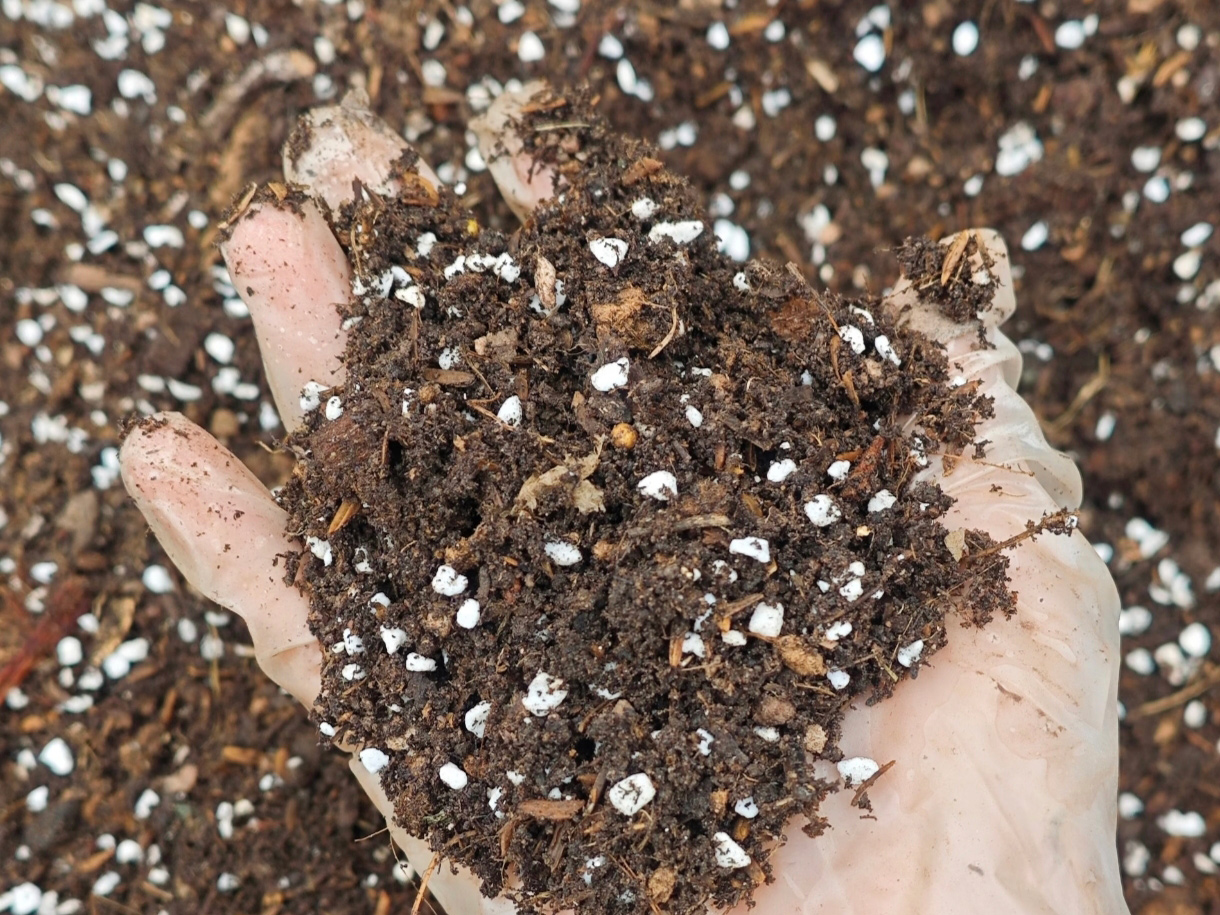
These two substrates serve distinct, irreplaceable roles: perlite excels at aeration and drainage, resists compaction and decay, and suits drought-tolerant plants that dislike waterlogging; vermiculite offers superior water and nutrient retention and a soft texture that protects tender roots, making it ideal for seedlings, cuttings, and moisture-loving plants. Based on the practical experience of thousands of customers, we have compiled a set of standard mixing ratios for various scenarios that you can apply directly:
1. Sowing and seedling raising:
Vermiculite : Perlite = 6:4; balances moisture retention and aeration, boosts seedling survival rates by 80%, and reduces watering frequency;
2. Flower cuttings:
Potting soil : Vermiculite : Perlite = 1:2:1; balances moisture levels, accelerates rooting, and lowers the risk of stem rot;
3. Drought-tolerant plants (e.g., succulents):
Peat/Coconut coir : Perlite = 5:5; add only 5% vermiculite to enhance drainage and prevent tissue collapse (mushiness) and root rot;
4. Indoor foliage plants:
Potting soil : Vermiculite : Perlite = 3:1:1; suited for poorly ventilated indoor environments, reducing yellowing and leaf drop;
Clay soil improvement:
Native soil : Perlite : Vermiculite = 4:2:1; loosens compacted garden soil and extends the lifespan of the potting mix. A standardized substrate blend offers five key benefits: first, it reduces plant mortality and the associated costs of purchasing replacements; second, it maintains balanced moisture levels in the potting mix, eliminating the need for frequent watering and saving time and effort; third, it boosts survival rates for seedlings and cuttings, thereby increasing commercial yields and profits; fourth, it keeps the soil loose over the long term, cutting down on expenses for soil and pot replacements; and fifth, a single substrate serves all scenarios—from sowing and propagation to potting and soil amendment—eliminating the need to purchase multiple types of materials.
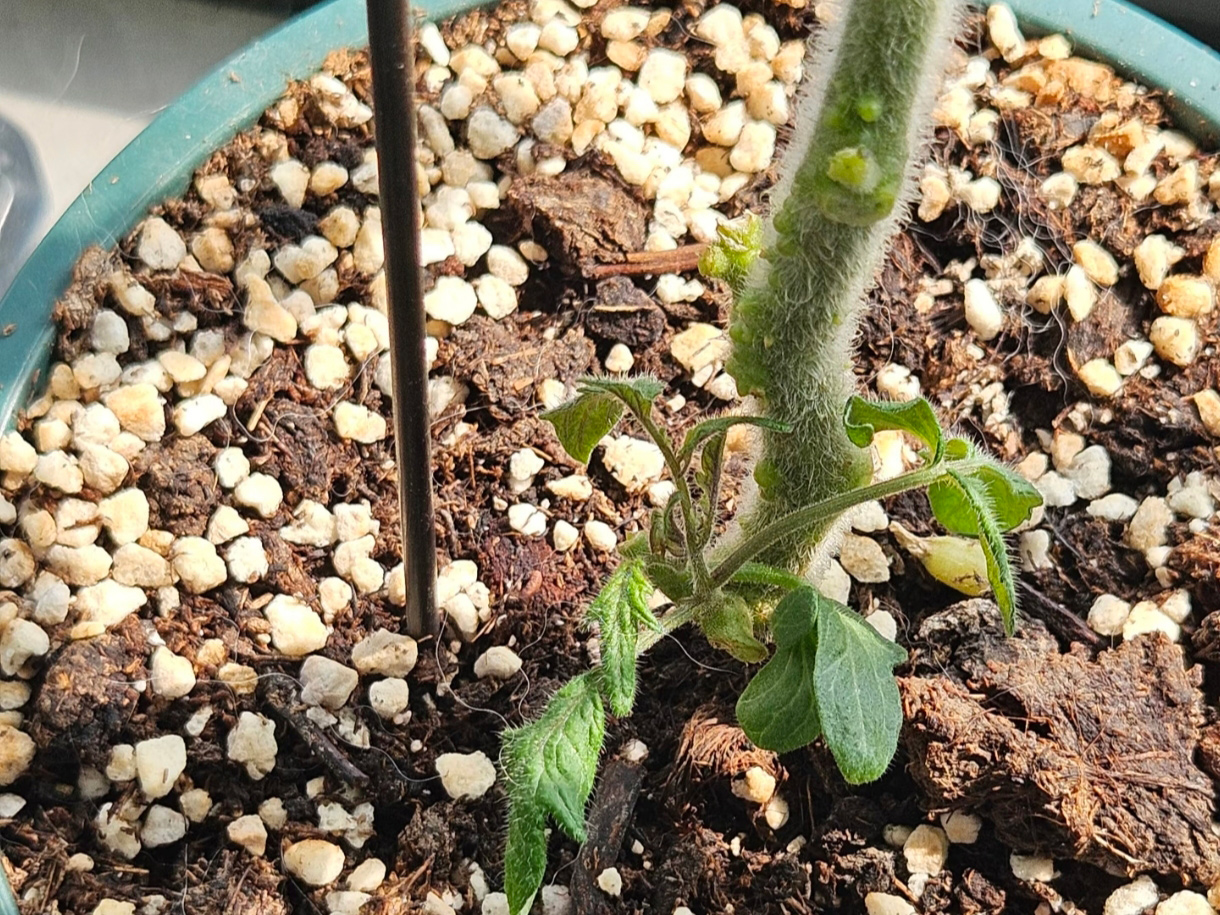
When people struggle with growing flowers or raising seedlings, the root cause is rarely the quality of the substrate itself, but rather an incorrect mixing ratio. Vermiculite and perlite each play distinct roles; a scientifically balanced blend of the two can solve 90% of common gardening challenges. Combining high-quality materials with a standardized ratio offers a cost-effective soil improvement solution for both home gardening and greenhouse cultivation, helping to minimize waste while producing robust plants and higher yields.
