 EN
EN


Tips for Using Expanded Clay Pebbles(LECA): A Complete Guide to Drainage Layers, Soil Mixing, Top Dressing, and Hydroponics—Plus How to Avoid Root Rot
How exactly should horticultural expanded clay pebbles be used? This article provides a detailed explanation of four common applications—lining the bottom of the pot, mixing into the soil, using as a decorative top dressing, and anchoring plants for hydroponics. We also highlight common mistakes enthusiasts make, helping you use these pebbles correctly to prevent issues like waterlogging and root rot.
Many home gardening enthusiasts keep expanded clay pebbles on hand; lightweight, breathable, and durable, they are a staple medium for balcony gardening and hydroponics. However, many growers report that even when they line their pots with these pebbles, their plants still suffer from root suffocation, yellowing leaves, and rot. The problem lies not with the pebbles themselves, but with how they are used.
Today, we present a comprehensive guide to the four main ways to use expanded clay pebbles and review common maintenance pitfalls, making it easy for even beginners to master the technique.
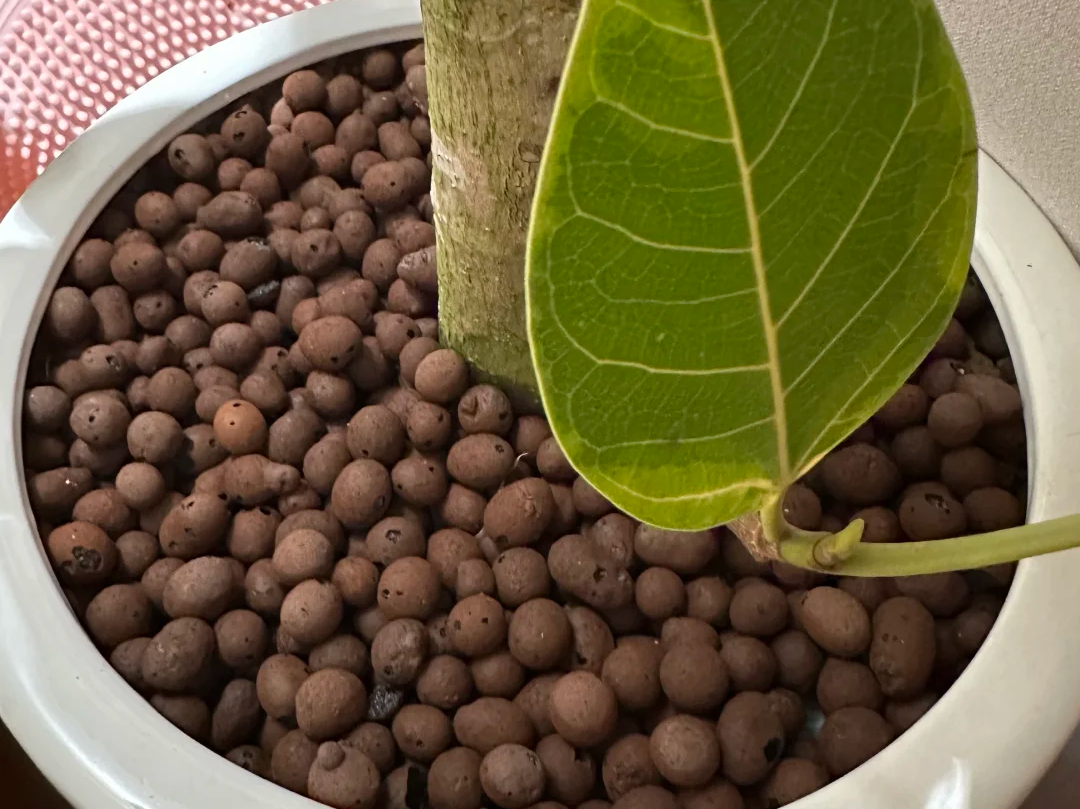
I. What is horticultural expanded clay pebbles?
Gardening expanded clay pebbles, also known as expanded clay pebbles, is formed by calcining clay at high temperatures. It is porous inside, light in texture, and has multiple properties of breathability, water storage, and drainage. Different from decorative colored ceramic balls, regular gardening expanded clay pebbles has water-absorbing pores and can be used for cultivation; smooth solid colored balls are only suitable for viewing and cannot be used as a cultivation medium.
II. Four Correct Ways to Use Horticultural Expanded Clay Pebbles
1. Creating a drainage layer at the bottom of the pot (most common method)
Suitable for: Deep pots, modified pots without drainage holes, and plants that prefer moisture but are susceptible to root rot from waterlogging (e.g., Pothos, Monstera, Calathea, Bird of Paradise). Key points:
Keep the layer of clay pebbles between 2–3 cm thick; do not fill more than one-third of the pot's depth with them.
After laying the pebbles, it is recommended to place a layer of non-woven fabric or window screening on top to prevent fine soil particles from clogging the gaps between the pebbles.
Small air-pruning pots and unglazed terracotta pots already offer excellent drainage, so the step of adding a bottom layer of clay pebbles can be skipped.
Important Note: If the clay pebble layer is too thick, it creates a water-retention barrier; water trapped at the base of the soil layer can actually exacerbate root rot.
2. Mixing into potting soil to improve soil quality
Suitable for: Plants sensitive to soil compaction and requiring root aeration, such as succulents, orchids, roses, and azaleas. Recommended ratio: Potting soil to LECA (Lightweight Expanded Clay Pebbles) = 4:1 to 5:1. Benefits: Loosens the soil, prevents compaction caused by frequent watering, improves internal airflow, and is ideal for long-term container gardening.
3. Top-dressing for a decorative finish
Suitable for: Potted plants and ornamental greenery on well-ventilated indoor balconies. Application: Spread a thin layer of LECA (less than 1 cm thick). Benefits: Prevents soil splashing during watering, suppresses surface weeds, slows moisture evaporation, and creates a neat, attractive appearance. ⚠️ Note: Top-dressing is not recommended for enclosed spaces or areas with poor ventilation, as it can keep the soil surface constantly damp and promote mold growth.
4. Anchoring roots for hydroponic plants
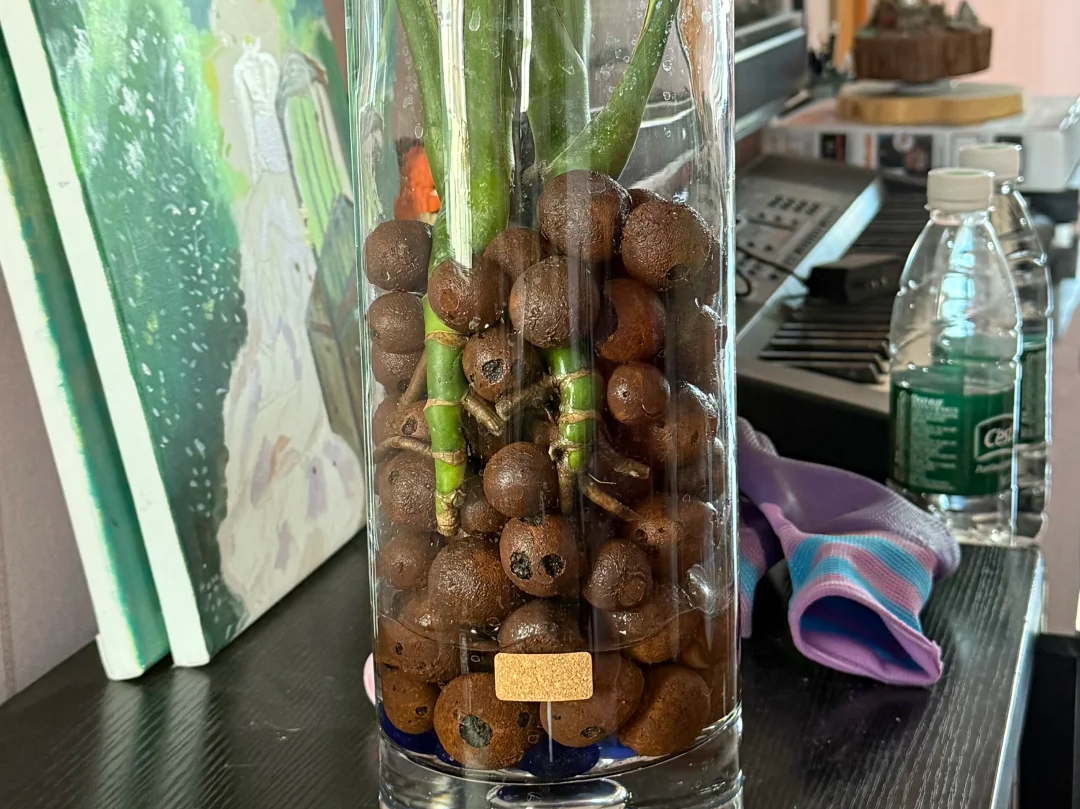
Suitable for: Hydroponic plants such as Peace Lilies, Anthuriums, Pothos, and Lucky Bamboo. Steps:
Rinse the LECA thoroughly with water and soak to remove dust;
Place the plant in the container and fill with LECA to secure it;
Maintain the water level at one-third of the root depth; do not fully submerge the roots;
Remove and rinse the LECA every 2–3 weeks to prevent slime buildup and odors in the pores.
III. A Must-Read for Plant Lovers! 4 Common Misconceptions About Horticultural LECA (Lightweight Expanded Clay Pebbles)
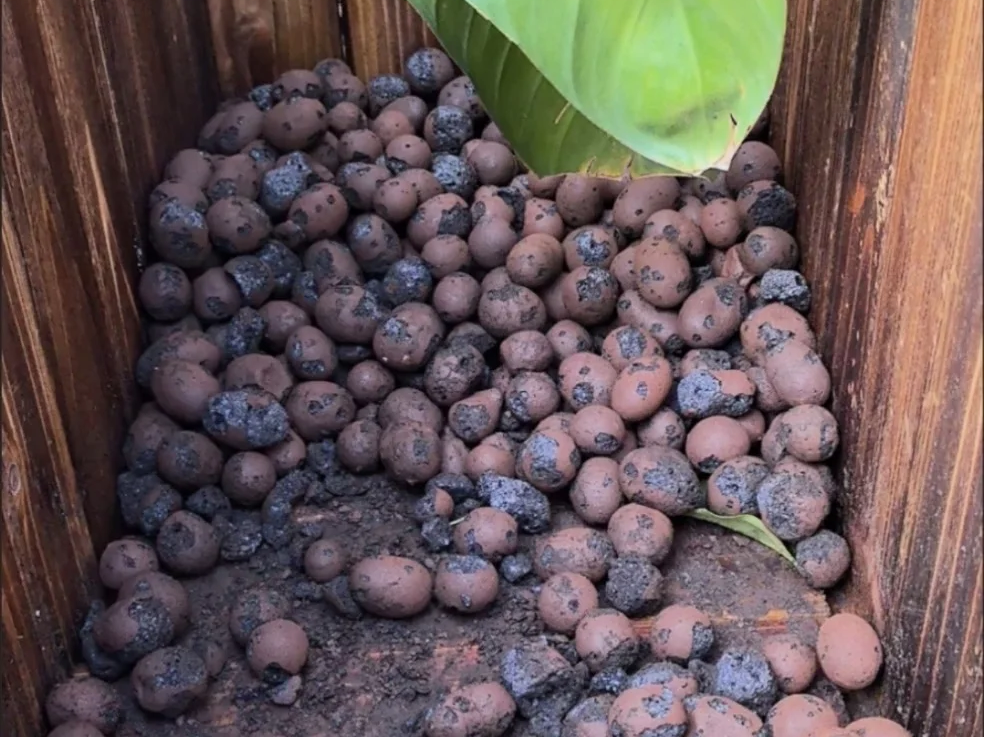
✅ Misconception 1: The thicker the layer of LECA, the better the drainage. Reality: An excessively thick layer creates a water barrier that prevents proper drainage, making it a primary cause of root rot.
✅ Misconception 2: Pouring newly purchased LECA directly into the pot. Reality: New LECA contains a lot of dust; using it directly can clog pores and potentially burn delicate roots. Always rinse it thoroughly before use.
✅ Misconception 3: Placing a LECA drainage layer at the bottom is suitable for all plants. Reality: For extremely drought-tolerant plants like succulents and cacti, it is better to use a granular soil mix; adding a separate LECA drainage layer is not recommended.
✅ Misconception 4: LECA is for single use only and should be discarded after use. Reality: LECA is reusable. After repotting, collect the LECA, rinse it with water, and disinfect it by exposing it to strong sunlight before using it for planting again.
IV. Tips for Purchasing Horticultural Clay Pebbles
Select the particle size based on the intended use: Small (3–6 mm) for top-dressing or mixing into soil; Medium (8–12 mm) for lining the bottom of pots; Large (12–20 mm) for anchoring plants in hydroponics.
Opt for porous, lightweight horticultural clay pebbles rather than solid, smooth, decorative colored spheres.
Try to choose dust-free pebbles to minimize the need for pre-use washing.
V. Summary
Horticultural clay pebbles are a cost-effective gardening supply, but their effectiveness depends on proper usage. By using them correctly—lining the bottom, mixing into soil, top-dressing as needed, and employing proper hydroponic techniques—and avoiding the mistake of over-application, you can fully leverage their breathability and drainage benefits to safeguard plant root health.
If you are tending to balcony potted plants or hydroponic greenery, consider purchasing a range of horticultural clay pebble sizes. They are versatile enough for lining pots, top-dressing, and hydroponics, helping to create a breathable growing environment for your plants.
