 EN
EN


What are the benefits of covering flowerbed surfaces with gravel? A top choice for low-maintenance landscaping.
In recent years, across landscape renovation projects for private gardens, commercial streets, and guesthouses—both domestically and abroad—an increasing number of landscape designers are moving away from bare soil, plastic weed-control sheeting, and bark mulch in favor of gravel as a surface covering for flowerbeds. Many homeowners and project clients often ask: is a layer of gravel on a flowerbed merely for decoration?
Drawing on numerous completed landscape projects, this article systematically outlines the multiple practical benefits of using gravel surfacing on flowerbeds and provides actionable construction advice. It serves as a useful reference for overseas Chinese undertaking home garden renovations or commercial landscaping projects.
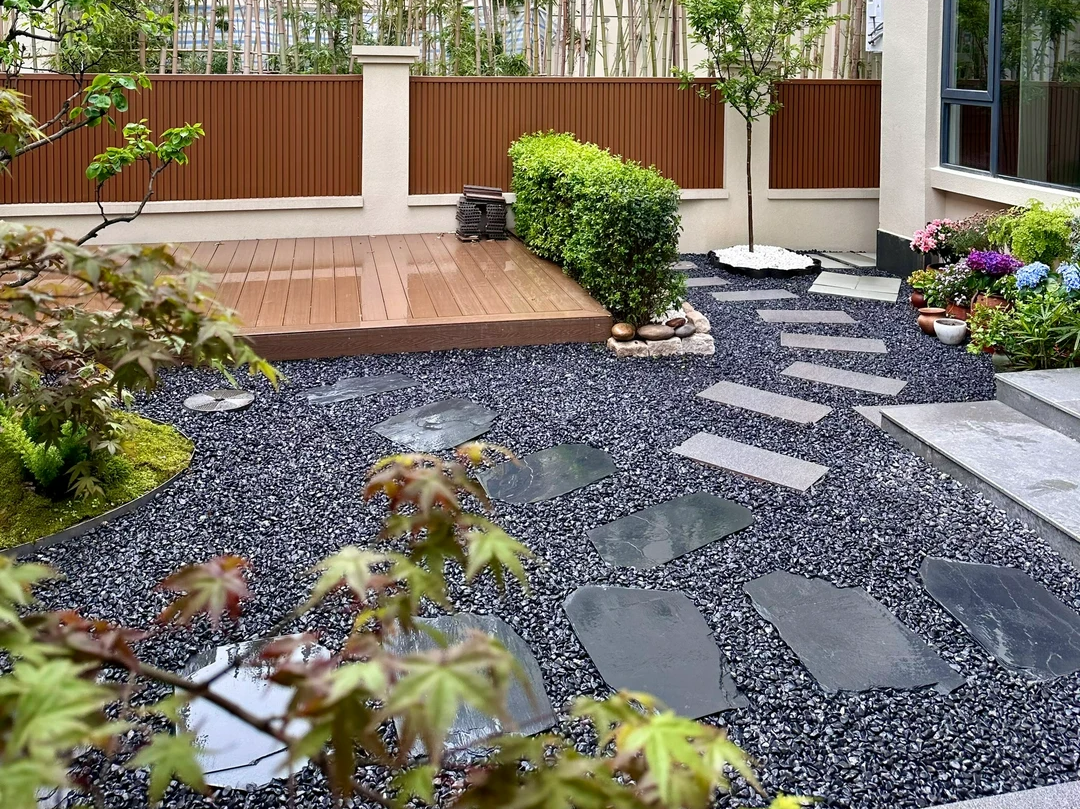
I. Key Advantages of Gravel Surfacing for Flowerbeds
1. Physical shading suppresses weeds, significantly lowering long-term maintenance costs
Flowerbeds with exposed soil easily accumulate weed seeds and foster continuous weed growth. Gravel creates a natural light-blocking layer that cuts off the sunlight required for weed germination, thereby curbing weed growth at the source. This offers a superior alternative to the environmental risks associated with frequent herbicide spraying or the time and labor required for manual weeding. Statistics from various street-facing commercial flowerbed renovations show that proper gravel installation leads to a significant drop in weed germination, reducing the frequency of weeding and maintenance by over 65%; using a permeable geotextile fabric as an underlayer further enhances this weed-suppression effect.
2. Retains soil moisture, reduces watering frequency, and saves water
Soil in open-air flowerbeds is directly exposed to intense sunlight, causing rapid moisture evaporation. A gravel covering shields the soil surface from direct sunlight, lowers ground temperatures, and slows the rate of soil moisture transpiration. For gardens in arid regions or outdoor landscape flowerbeds, this effectively extends the interval between waterings and conserves irrigation resources. It prevents flowers and shrubs from withering due to frequent water shortages, making it an ideal choice for drought-tolerant plant borders.
3. Buffers the impact of rainfall, preventing soil erosion and mud staining on walkways
Many gardens face a common issue: after heavy rain, soil washes out of flowerbeds, creating mud that stains walkways and walls. Gravel acts as a buffer against the impact of falling rain, stabilizing the surface soil and preventing erosion and runoff. Rainwater slowly permeates the ground through the gaps between stones without washing away soil or causing runoff, keeping the site clean and tidy over the long term—a benefit particularly evident in sloped flowerbeds.
4. Superior air and water permeability, reducing the risk of root rot
Plastic mulch films are airtight and trap water, which can suffocate plant roots; organic mulches like bark and wood chips can become moldy and harbor pathogens when consistently damp. Gravel layers contain abundant voids, ensuring both water drainage and air circulation. After rainfall, no mud or standing water forms on the surface, optimizing the soil's moisture and aeration and minimizing issues like root rot and fungal infections.
5. Regulates surface temperature, creating a stable environment for plant growth
In the heat of summer, exposed soil heats up rapidly, potentially scorching shallow roots; in winter, the gravel layer acts as a buffer against cold air, slowing the rate at which the soil freezes. Unlike black plastic mulch, which continuously absorbs heat, natural gravel experiences more moderate temperature fluctuations, creating a stable and comfortable surface microclimate for the plants.
6. Durable material offering superior long-term value
Organic mulches like pine bark decompose within 2–3 years and require frequent replenishment. In contrast, gravel is an inorganic stone material that withstands sun, rain, and wind without rotting or degrading, and it does not easily harbor small insects or mold. A single proper installation can last over a decade under normal conditions. Although the initial investment is higher, there is virtually no need for ongoing replenishment, making it an ideal choice for commercial landscapes and private gardens seeking a long-term, low-maintenance solution.
7. Enhances aesthetics and adds visual depth to flowerbeds
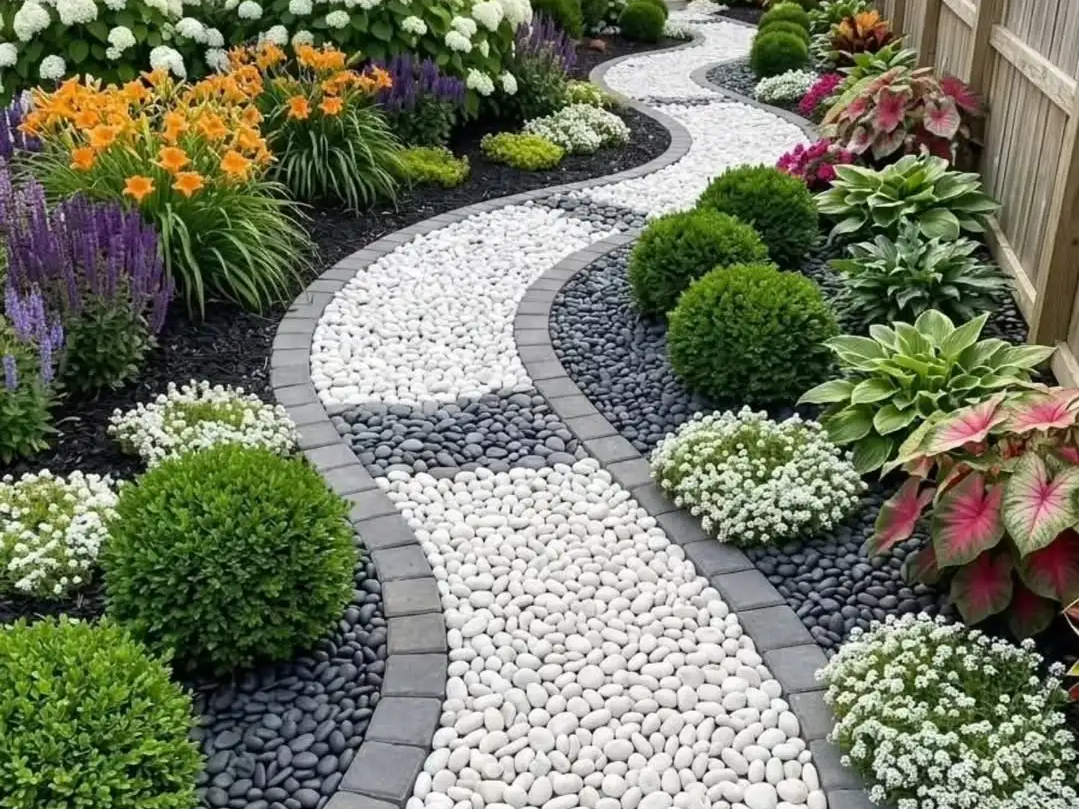
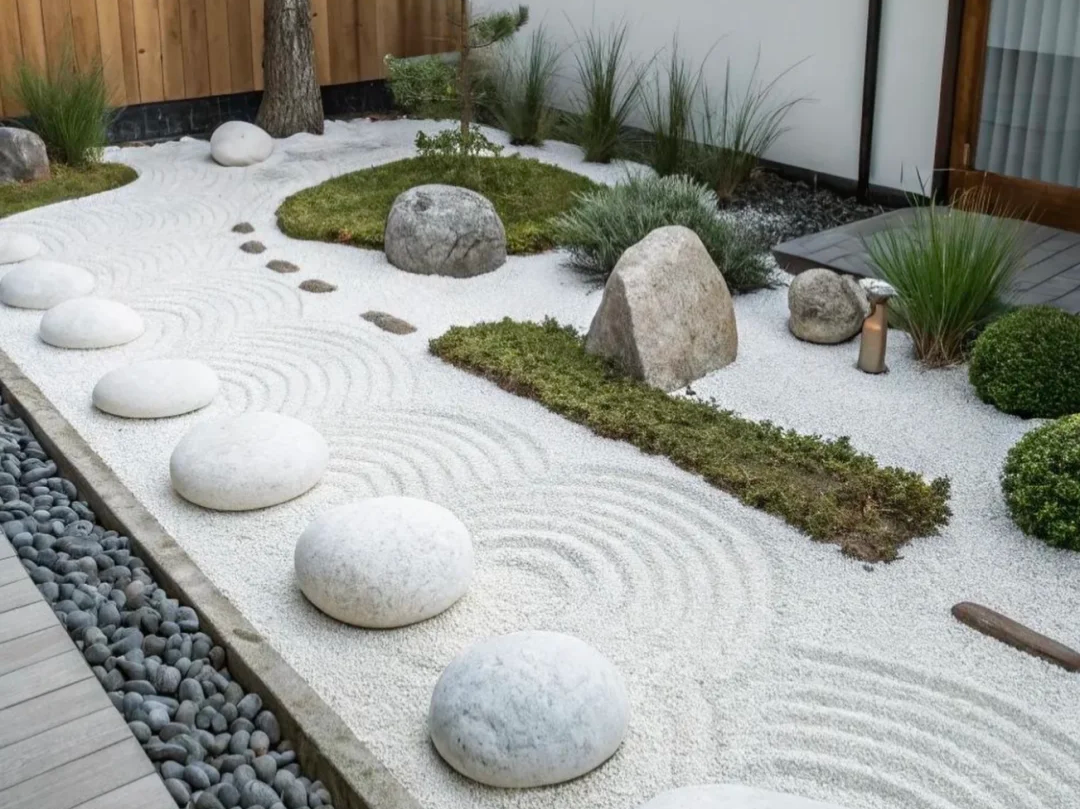
Landscape gravel comes in various colors—such as beige, light gray, dark gray, and black—complementing a wide range of design styles. It pairs beautifully with everything from modern minimalist courtyards and New Chinese-style gardens to naturalistic flowerbeds at guesthouses. Gravel softens the cluttered look of exposed soil and, when combined with larger landscape stones and plantings, creates rich visual layers that elevate the overall refinement of the flowerbed.
8. Suppresses dust, keeping the surrounding area clean
During dry, windy seasons, exposed soil in uncovered flowerbeds easily kicks up dust. Gravel compacts and stabilizes the surface soil, effectively reducing dust—making it ideal for street-facing flowerbeds or planting areas on terraces near doors and windows.
II. Gravel Surfacing for Flowerbeds: Practical Implementation Tips
To fully leverage the benefits of gravel, proper installation is crucial. Drawing on common practices from international landscape projects:
Basic Process: Clear weeds and roots from the flowerbed → Level the soil → Lay permeable geotextile fabric (to prevent soil from migrating upward) → Evenly spread a 5–8 cm layer of gravel;
Install Edging: Use metal strips, stone, or treated timber to create a boundary, preventing gravel from washing onto walkways during rain;
Leave Space Around Stems/Trunks: Avoid piling gravel thickly against tree trunks or plant stems to prevent moisture buildup and rot at the plant base;
Particle Size Selection: For standard flowerbeds, prioritize 8–25mm gravel; sizes that are too small easily mix with silt, while sizes that are too large can look overly coarse.
III. An Objective Look: Limitations of Gravel Surfacing
No single landscape material is perfect; based on real-world examples, here is an objective analysis: The initial cost of purchasing and installing gravel is higher than that of bark mulch. Over time, wind-blown silt and sand can accumulate, requiring occasional cleaning of the gaps. If the flowerbed is intended for vegetable gardening or requires ongoing soil fertility improvement, organic mulch is the better choice. However, for ornamental flowerbeds or commercial landscapes where a neat appearance and long-term low maintenance are priorities, gravel surfacing is an excellent option.
Conclusion
Based on numerous landscape projects—ranging from private gardens to commercial streets and resorts—gravel surfacing offers a combination of benefits: weed suppression, moisture retention, soil erosion prevention, aesthetic appeal, and durability. It is a highly recommended practice among designers for low-maintenance landscapes. If you are planning a villa garden renovation, a commercial flowerbed upgrade, or landscape design for a guesthouse, consider gravel surfacing in light of your local climate and plant varieties. Have you used gravel in your garden landscaping? Feel free to leave a comment and share your experiences!
