 EN
EN


Autumn Repotting & Soil Mix for Houseplants | Perlite and Vermiculite Help Plants Safely Survive the Winter
Autumn is the prime season for repotting indoor plants. But what should you do about compacted soil or overcrowded roots? This article details the functions and optimal mixing ratios of perlite and vermiculite, and outlines the complete steps for autumn repotting—helping your houseplants develop healthy root systems and thrive through the autumn and winter months.
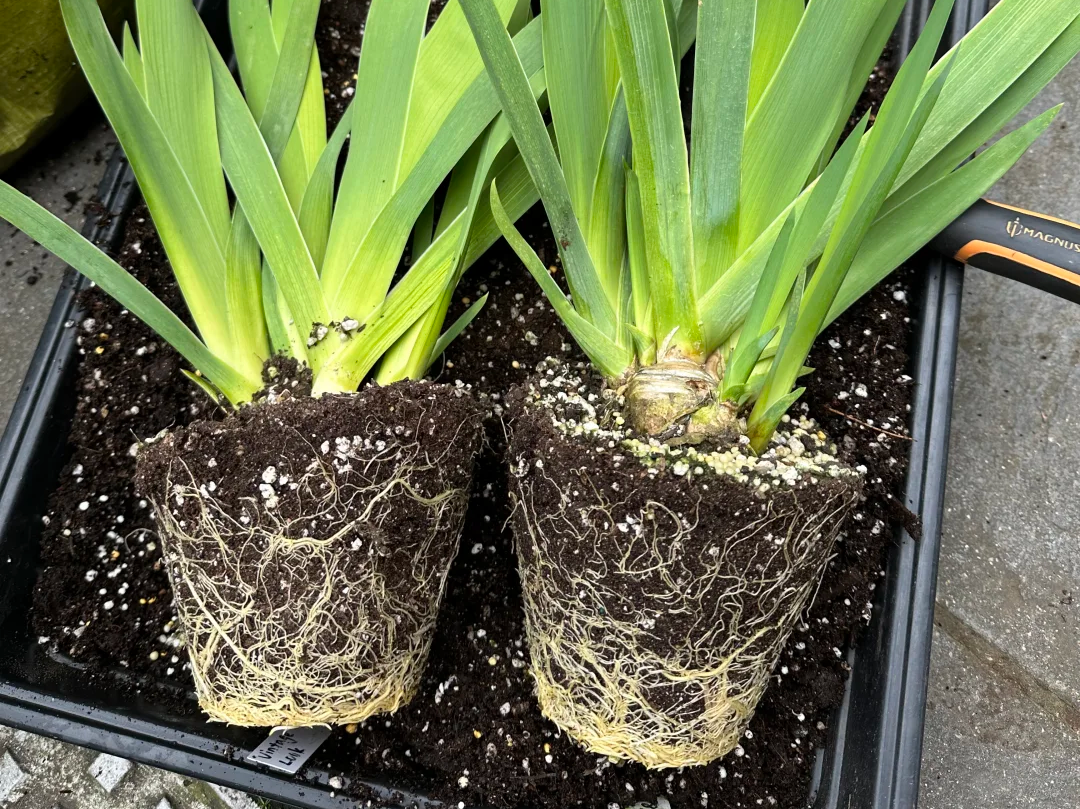
As temperatures gradually drop in early autumn—safely avoiding the risk of scorching heat damage associated with midsummer—it becomes the ideal time to repot household plants and refresh their soil. After a full year of growth, the potting soil often becomes compacted and saline-alkaline, while roots become overcrowded. Watering issues frequently arise: water either pools and suffocates the roots or simply runs straight through gaps in the soil, leading to yellowing leaves and stunted growth.
Simply applying fertilizer yields little improvement for these issues; the key solution lies in replacing the potting soil. By incorporating perlite and vermiculite to enhance soil structure, you can create a growing environment that is both breathable and moisture-retentive, thereby building up the plant's vitality for the autumn and winter seasons.
I. 4 Signs Your Houseplants Need Repotting in Autumn
Not all houseplants require repotting in the autumn; however, if any of the following conditions occur, it is a good time to repot and refresh the soil:
Roots are protruding significantly from the drainage holes at the bottom of the pot, and the root ball has become tightly bound and tangled;
The potting soil has become compacted and hard, with a layer of white saline-alkali crust appearing on the surface;
Water pools and fails to drain for a long time after watering, or conversely, drains out immediately upon pouring;
The plant's growth has noticeably weakened, with frequent yellowing leaves that do not improve even after fertilization.
⚠️ Note: Do not repot plants that are currently blooming, have flower buds, or are recovering from disease. The ideal ambient temperature for repotting is 18–24°C; temperatures that are too low will slow down the plant's recovery and adjustment to the new pot.
II. Core of Soil Amendment: Distinguishing the Functions of Perlite and Vermiculite
Both perlite and vermiculite are inorganic soil amendments commonly used in gardening. Containing virtually no nutrients themselves, their primary role is to optimize the soil's physical structure. However, they serve very different functions, so it is important not to confuse or misuse them.
✨ Perlite (For Aeration and Drainage)
A mineral granule formed from volcanic eruptions; it is white, lightweight, and porous.
Function: Creates tiny air pockets within the soil, breaks up soil compaction, significantly improves drainage and aeration, and prevents root suffocation and rot.
Minor Drawback: Being very lightweight, it tends to float to the soil surface during watering.
Suitable for: Plants prone to root rot from waterlogging, such as succulents, *Monstera deliciosa* (Swiss cheese plant), and rubber trees.
✨ Vermiculite (For Water Retention and Root Promotion)
Produced by the high-temperature expansion of mica minerals; it consists of yellowish-brown, flaky granules.
Function: Absorbs and retains moisture and nutrients, maintains stable soil moisture levels, and promotes new root growth; frequently used for cuttings and seedling propagation.
Minor Drawback: It gradually breaks down into powder over time; if used in excessive proportions, it can eventually cause soil compaction.
Suitable for: Moisture-loving plants like ferns and *Calathea* (prayer plants), as well as for seed starting and propagation from cuttings.
Practical Soil Mix Reference for Autumn Repotting (by Volume)
Note: Perlite and vermiculite are merely supplementary amendments; they cannot be used alone for planting and must be mixed with organic substrates such as peat moss or coconut coir.
III. Step-by-Step Guide to Repotting Green Plants in Autumn
Preparation: Water sparingly 1–2 days before repotting to keep the soil slightly moist, making it easier to remove the root ball intact. Choose a new pot only 3–5 cm larger in diameter than the old one; an oversized pot can lead to water accumulation and root rot. Prepare an amended soil mix containing perlite and vermiculite, and have pruning shears and expanded clay pebbles (for the pot base) ready.
Removing, Inspecting, and Pruning Roots: Gently tap the sides of the pot to remove the intact root ball. Remove compacted or old soil, carefully inspect the root system, and trim away any rotten, withered, or dead roots. Do not prune away more than one-third of the total root mass; heavy root pruning is not recommended in autumn. Allow the pruned roots to air-dry in a cool, well-ventilated area so the cut surfaces can heal.
Laying the Drainage Layer and Potting: Place a layer of expanded clay pebbles at the bottom of the pot to prevent the drainage hole from clogging. Add some of the prepared soil mix, position the plant upright in the center of the pot, and continue filling with the soil mix (containing perlite and vermiculite). Press down gently—do not compact the soil too tightly—leaving some space at the top for watering.
Initial Watering: Once repotting is complete, water thoroughly until water flows freely from the drainage hole at the bottom, then place the plant in a well-ventilated area.
IV. Key Care Points for Post-Repotting Recovery in Autumn
Repotting isn't the end of the process; success depends on how you care for the plant afterward:
✅ Place the plant in a well-ventilated area with indirect light for 7–14 days to recover; strictly avoid exposure to harsh, direct sunlight;
✅ Follow the "water only when dry" rule—wait until the soil is thoroughly dry throughout before watering again; avoid frequent watering;
❌ Do not fertilize for two weeks after repotting; the roots have fresh wounds, and fertilizer can easily cause root burn;
✅ Once the plant stands upright and produces new, tender leaves, it has successfully settled in; you can then resume your normal care routine.
V. Common Mistakes in Autumn Repotting and Soil Modification
Perlite and vermiculite are not fertilizers; they only improve soil aeration and cannot replace nutrient-rich potting soil;
Do not use an excessive amount of vermiculite; it breaks down into powder over time, which can eventually lead to soil compaction;
Avoid using oversized pots; too much soil slows down the wet-dry cycle, making the plant highly susceptible to root rot during autumn and winter;
Do not wash away all the old soil; retaining a small amount of healthy old soil helps the plant adapt more quickly to its new environment.
#AutumnPlantCare #Perlite and Vermiculite Soil Mix
#HomeGardening #Guide to Repotting Houseplants
