 EN


80 Mesh Garnet Sand Recycling: Cycles vs Cost Per Meter
The Consumables Ledger: How Many Cycles Can 80-Mesh Garnet Really Take?
Most waterjet shops know the price of garnet to the dollar per ton. Far fewer know what a meter of cut costs in abrasive — and almost nobody knows how many times their 80-mesh has actually been through the mixing tube.
That gap has a price. Abrasive is the dominant line in waterjet consumable spend, commonly put at 55% to 75% of variable operating cost depending on the shop and the hour rate used. Yet it is still bought on one number: price per ton. The number that decides profit is a different one — cost per meter, or cost per part.
This is an attempt to compute that number honestly, including the part of it that recycling claims usually leave out.
First, define "one cycle"
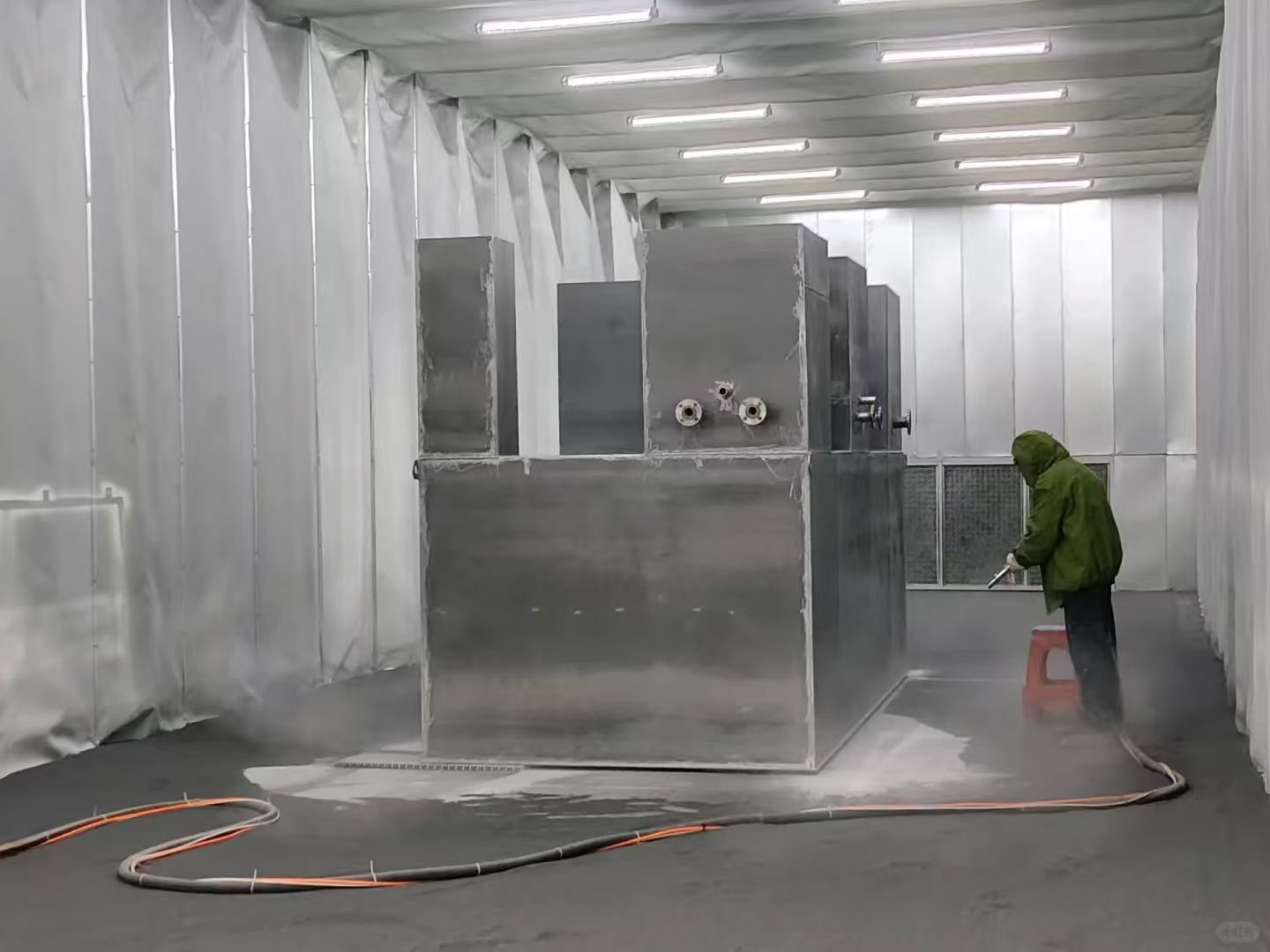
A cycle is one pass: grain leaves the hopper, is metered into the mixing chamber, accelerates with the water jet, strikes the workpiece, and lands in the catcher tank. What lands in the tank is not the material that went in.
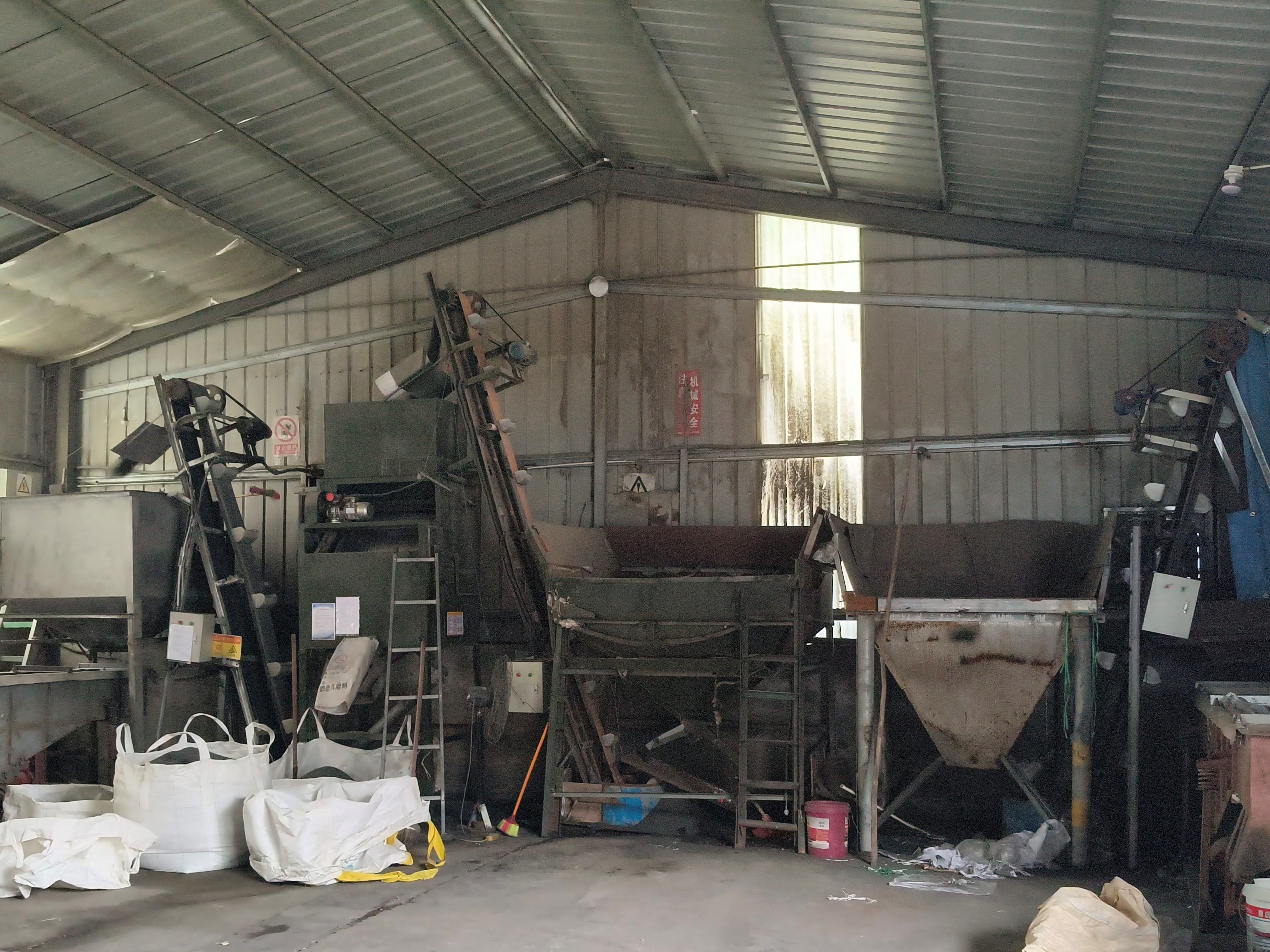
A recovery system has to wash the sludge, dewater it, dry it, and screen it. Published figures for closed-loop systems put recovery at roughly 50% to 65% of spent abrasive by mass. The remainder leaves the loop as fines far below the working size range, metal dross, and contamination. So "recycling garnet" is not a closed circle that returns everything. It is a partial loop that returns about half to two-thirds, and it charges you washing water, drying energy, screen wear, floor space and labour for the privilege.
Any claim about cycle counts that does not state its recovery rate and its blend ratio is not a specification. It is a slogan.
Why one supplier says two and another says six
Search long enough and you will find two cycles, three, four to six. They are not all lying. They are measuring three different things and calling all of them "cycles":
The first is mass recovery — how much abrasive you get back out of the tank. This can be 60% and says nothing about cutting performance.
The second is performance retention — how fast the recovered fraction cuts compared with virgin grain at the same feed rate. This is the number that determines your cost per meter, and it is the one least often published.
The third is blend ratio — how much new grit must be recharged into the recovered stream to keep the feed stable and the cut acceptable. A shop running a 50/50 blend and counting every pass of the blended stream can honestly report six cycles while the original grain survived two.
When a supplier quotes a cycle count without the blend ratio and the speed loss attached, the count is not comparable to anyone else's. Ask for the test conditions before the number.
The equation that actually decides it
Cost per meter of cut breaks into two terms:
cost/m = (abrasive feed rate ÷ traverse speed) × abrasive price + (1 ÷ traverse speed) × (shop rate ÷ 60)
Feed rate in kg per minute, traverse speed in meters per minute, shop rate in currency per machine hour — divided by 60 because the first term of the time cost is in minutes per meter.
Note what the equation says. Abrasive consumption per meter is the feed rate divided by the speed — so anything that slows the cut raises abrasive consumption per meter at the same time as it raises machine time. A slower abrasive is penalised twice.
A worked example, with parameters chosen to be round rather than typical — replace them with your own numbers:
·Feed 0.40 kg/min, traverse 0.50 m/min → 0.80 kg of abrasive per meter.
·Virgin abrasive at 0.60 per kg → 0.48 per meter in abrasive.
·Shop rate 60 per hour, i.e. 1.00 per machine minute → 2.00 per meter in time and overhead.
·Total: 2.48 per meter, of which abrasive is 19%.
That ratio is the whole story. Four-fifths of the cost of a meter of cut is the machine standing there, not the grit going through it.
Now run the same meter on recovered abrasive priced at 40% of virgin, cutting 10% slower:
·Traverse drops to 0.45 m/min, so consumption rises to 0.89 kg per meter.
·Abrasive cost: 0.89 × 0.24 = 0.21 per meter.
·Time cost: 2.22 minutes at 1.00 per minute = 2.22 per meter.
·Total: 2.44 per meter.
The saving is 0.04 per meter, about 2%. On the same arithmetic, a 15% speed loss puts the total at 2.58 per meter — four percent more expensive than virgin grain, with the recycling equipment still to be paid for.
Solve it for the break-even and the threshold is stark: with abrasive at 40% of virgin price, a traverse speed loss of roughly 12% wipes out the entire material saving. Above 12%, the cheap abrasive is the expensive choice.
This is why the cycle count is the wrong question. The right question is: at what speed loss does the next pass stop paying? For most shops the answer arrives earlier than the purchasing department expects.
What degrades, and how it shows up
Repeated impact does not simply "wear" garnet. It changes the material in four ways that a price-per-ton comparison cannot see:
Fines accumulate. Each pass fractures some grains into fragments well below the working range. Those fragments do not cut; they load the feed line, change the bulk density in the hopper, and make the metered flow surge and stall. The operator responds by opening the abrasive valve, which raises consumption per meter without raising speed.
Edges round off. Fresh crushed garnet cuts with angular contact. After impact, the surviving grains develop flats and rounded corners. The cut slows before the edge quality visibly fails, so the loss hides inside the cycle time.
Contamination enters. Dross, rust and sludge chemistry travel with the recovered material. Washing removes most of it and not all of it. A washed grain carrying metal fines still meters unevenly.
Moisture bridges. Damp abrasive arches in the hopper. Feed rate falls silently, pressure is raised to compensate, and the focusing tube wears faster.
Every one of these appears on the shop floor as downtime and rework, not on an invoice. That is precisely why it never enters the purchasing comparison.
When recycling is the right answer
The economics favour recovery when four conditions hold at once: thick plate where the cut is slow and abrasive-dominated, a single material so cross-contamination is not a risk, long production runs so the equipment is amortised, and a site that already has water treatment and drying capacity.
They turn against recovery when the job is precision edge quality where taper and striation are specified, when material changes are frequent, when batches are small enough that setup dominates, or when spent abrasive disposal is cheap in your region. The last point is underrated: recovered abrasive competes with the disposal fee, not with the purchase price. Where landfill or hauling is inexpensive, the recovered tonne is worth less.
A test you can run in one afternoon
You do not need a supplier's data sheet to settle this. You need one control cut and one comparison cut.
Take a single program: same material, same thickness, same pressure, same orifice and focusing tube, same feed setting. Cut a one-meter straight line with virgin 80-mesh and record traverse speed, kerf width at top and bottom, and surface roughness. Then cut the same line with the recovered batch at identical settings — resist the urge to tune the second run, because tuning hides the difference you are trying to measure.
Weigh the abrasive before and after each cut over the same length, sieve a 500-gram sample of each batch and record the fraction below the working range, then put both results into the equation above. The comparison that matters is not price per ton. It is cost per meter at equal cut quality.
Two numbers come out of that afternoon: the speed loss of your recovered batch, and its break-even point. Both are specific to your pump, your material mix and your hour rate. Neither can be copied from a supplier's brochure.
The number to put in the ledger
Wear resistance is a property of the grain. Cost per meter is a property of your process — your pressure, your feed setting, your labour rate, your disposal cost, your order mix. Only the second one belongs in a purchasing decision.
An 80-mesh garnet that survives three passes at a 6% speed loss beats one that survives five at 15%, every time the arithmetic is done properly. The grade that wins is not the toughest one on the data sheet. It is the one whose degradation curve stays flat long enough to matter.
