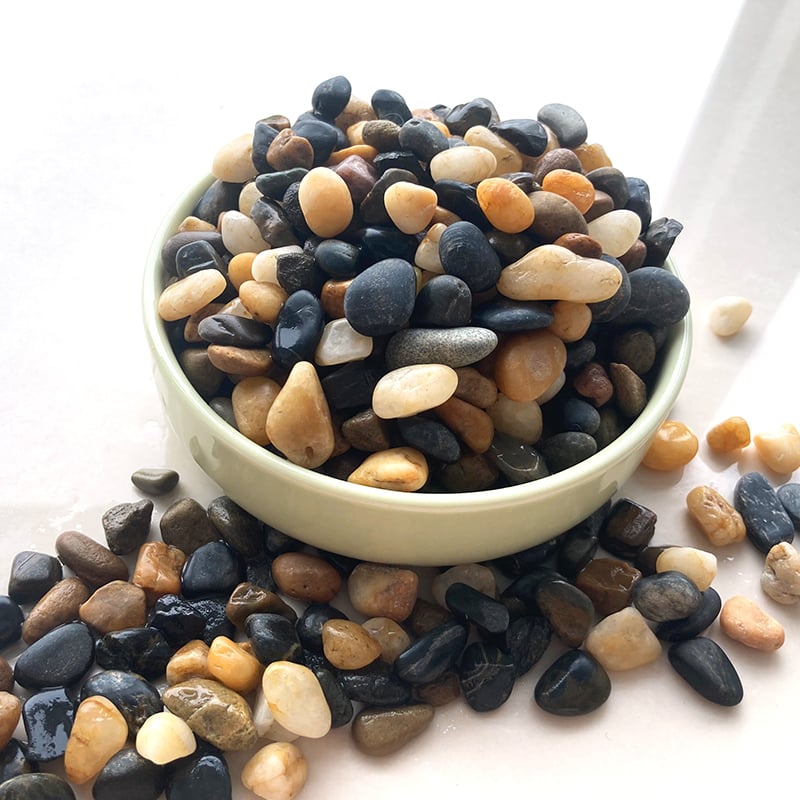
- Brand: GCZ
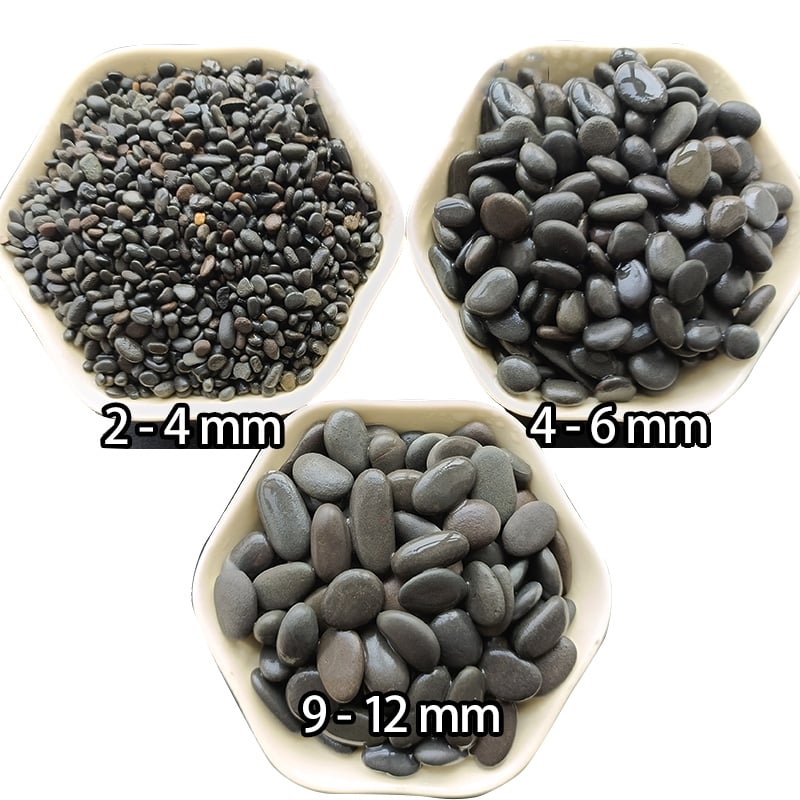
- Size: 2-4mm, 4-6mm, 6-9mm, 9-12mm, 1-2cm, 2-3cm
- Packaging: Woven Bag
Global Stone Materials presents its Premium Iron Gall Sand – a natural black substrate prized by aquarists, landscapers, and designers for its unique aesthetic and functional properties. This material, also known as black iron sand or magnetite sand, is sourced from iron-rich mineral deposits and processed through a comprehensive sequence of washing, screening, and impurity removal to deliver a clean, consistent product.
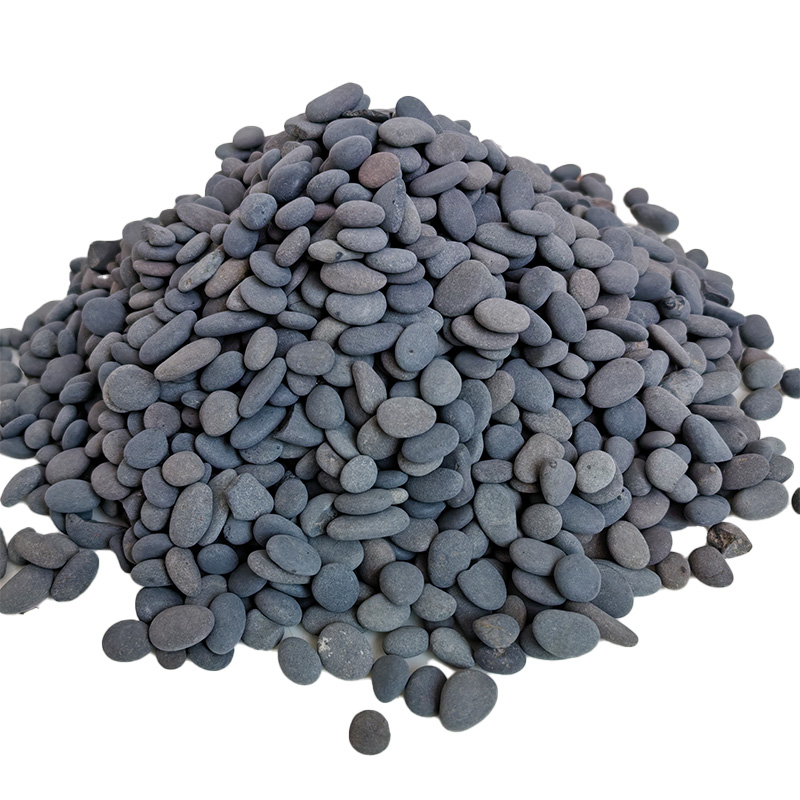
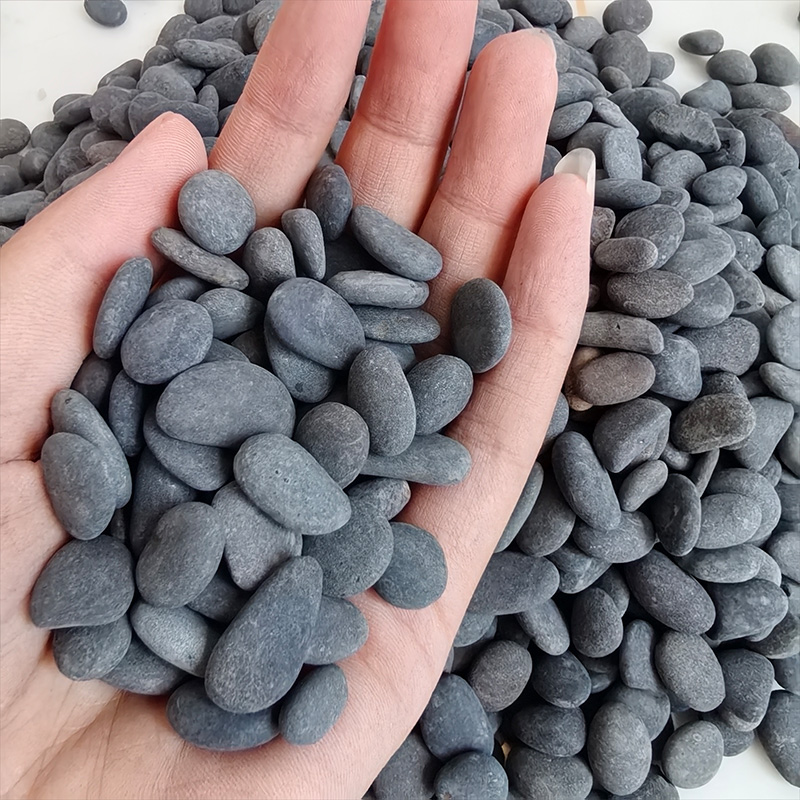
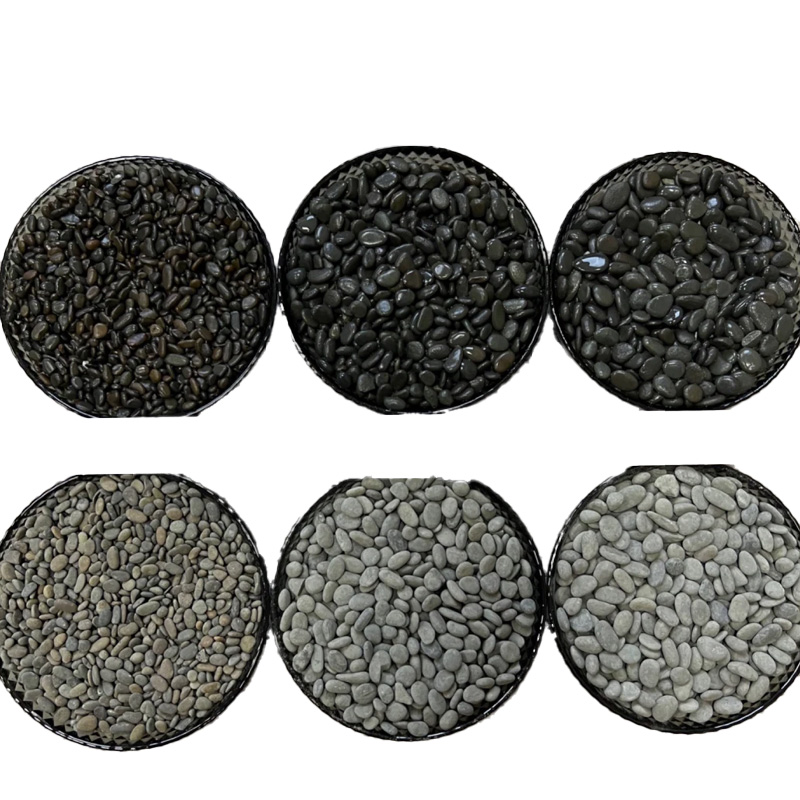
The visual character of iron gall sand is defined by its entirely black, shiny appearance. The natural luster of the material creates a striking visual contrast that makes fish colors pop and provides a sophisticated backdrop for aquatic plants and decorative elements. The rounded oval shape of each granule is a result of natural water erosion processes, which smooth the stones over time to eliminate sharp edges. This natural rounding is preserved through Global Stone Materials' careful processing, ensuring that the final product retains its smooth, safe profile.
The material's chemical composition is complex and contributes to its value in aquatic and horticultural applications. Iron gall sand primarily contains silicon dioxide (SiO₂), calcium carbonate (CaCO₃), iron carbonate (FeCO₃), manganese oxide (MnO), and calcium phosphate (Ca₁PO₄). The mineral composition includes chalcedony, opal, calcite, aragonite, siderite, pyrite, hard manganese ore, soft manganese ore, and collophane. This rich mineral profile provides essential trace elements that support plant growth and aquatic life health.
The hardness of iron gall sand typically ranges from 5 to 6 on the Mohs scale, providing excellent resistance to abrasion and wear. The density of the material ensures that it remains stable in aquatic environments, resisting displacement by water flow or fish activity. The bulk density and particle size distribution are carefully controlled during screening to ensure consistent performance across all applications.
From a geological perspective, iron gall sand is classified as a magnetite-based mineral. The material exhibits magnetic properties – it can be attracted by a strong permanent magnet. This magnetic characteristic is a distinctive feature of authentic iron gall sand and can serve as a simple verification method for product authenticity.
Global Stone Materials' commitment to quality is evident in the rigorous washing and screening processes applied to every batch. The product is thoroughly cleaned to remove dust, silt, and impurities, ensuring that it arrives at the job site clean and ready for immediate use. This cleanliness is particularly important for aquarium applications, where sediment and debris would compromise water quality and visual clarity.
The particle size range of iron gall sand is available in multiple gradations to accommodate different application requirements. Fine grades (0.6-1.2mm) are suitable for detailed aquascaping and fine-textured displays. Medium grades (2-5mm) serve as versatile substrate for general aquarium use and landscaping. Larger grades (5-10mm and above) are ideal for turtle tanks, heavy-duty landscaping features, and construction applications. Consistent size distribution within each batch ensures uniform appearance and reliable performance across the installation area.
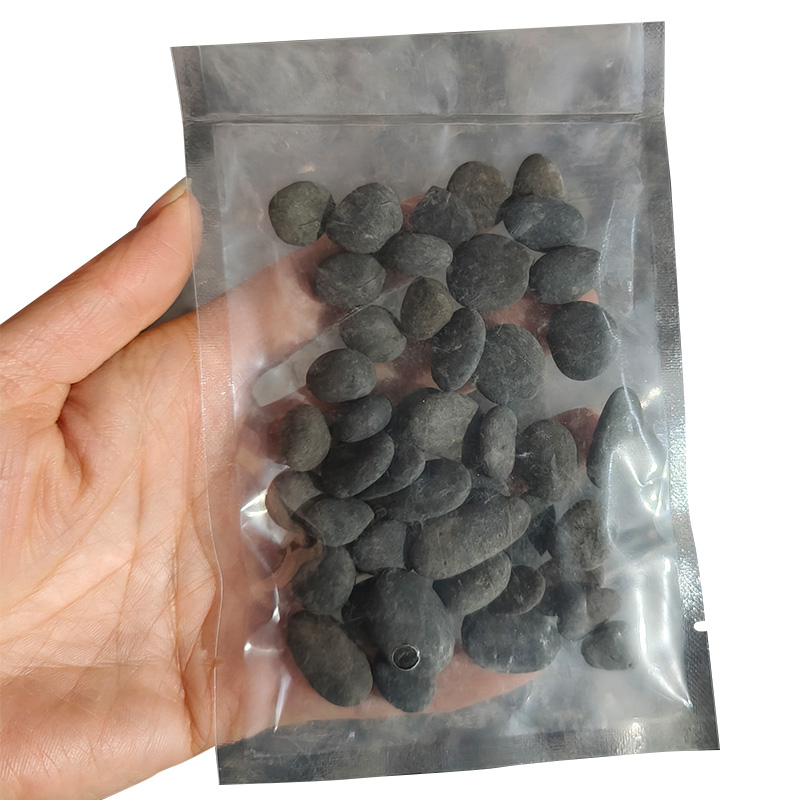
Global Stone Materials offers this product in convenient packaging that preserves cleanliness during transport and storage. The sealed packaging protects the substrate from moisture and contamination, ensuring that it arrives in optimal condition.
| Specification | Value |
|---|---|
| Product Name | Iron Gall Sand |
| Brand | GCZ |
| Size | 2-4mm, 4-6mm, 6-9mm, 9-12mm, 1-2cm, 2-3cm |
| Packaging | Woven bags |
| Logo | Customizable |
| Samples | Available |
| Minimum Order Quantity | ≥100 kg |
Smooth and Rounded – Safe for All Aquatic Life: The naturally water-polished, rounded oval shape of these granules features no sharp edges, making them completely safe for all aquarium inhabitants. Fish, shrimp, turtles, and other aquatic life can burrow, forage, and rest on this substrate without risk of injury. Unlike sharp-edged gravel that can damage delicate fish fins, barbels, or turtle shells, this smooth substrate provides a safe environment for bottom-dwelling species. The rounded shape also makes the substrate suitable for use with aquarium vacuum cleaners during routine maintenance.
High Density, Non-Powdering – Exceptional Durability: The dense, hard composition of iron gall sand ensures that it will not disintegrate, powder, or shed fines when submerged in water. Even with long-term use, the water remains clear and free from sediment. This stability is a significant advantage over lower-quality substrates that break down over time, clouding water and requiring replacement. The material's resistance to pulverization ensures that it maintains its structural integrity and aesthetic appearance for many years.
Sophisticated Black Color – Design Versatility: The pure black and gray matte texture of this substrate provides a sophisticated, versatile backdrop for aquatic plants and ornamental fish. The dark coloration creates a simple yet elegant aquascape that highlights the colors of fish and the textures of plants. This aesthetic makes iron gall sand particularly suitable for native-style and South American-style aquariums, where natural, understated design is valued. The black substrate also helps reduce stress in fish by providing a darker environment that mimics their natural habitat.
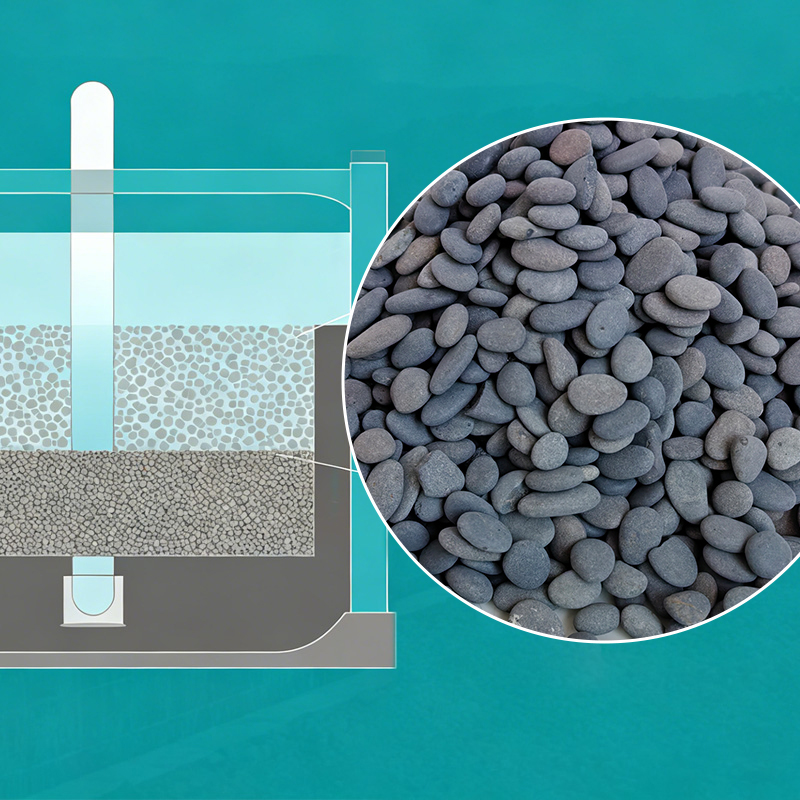
Stable Water Quality – Easy Bacterial Colonization: The chemically stable properties of iron gall sand ensure that it does not significantly alter water pH, maintaining a stable environment for aquarium inhabitants. The surface of each granule features tiny pores that provide ideal attachment points for nitrifying bacteria, supporting biological filtration and water purification. This bacterial colonization helps break down fish waste and maintain healthy water quality. The material does not leach harmful substances or cause water clouding, ensuring long-term water clarity.
Mineral-Rich Composition – Supports Plant Growth: The natural iron content and other essential minerals in this substrate provide valuable nutrients for aquatic plants. Iron is a critical micronutrient for plant growth, supporting chlorophyll production and overall plant health. The slow release of these minerals from the substrate provides a steady supply of nutrients to plant roots, reducing the need for additional fertilization. This mineral-rich composition makes iron gall sand an excellent choice for planted aquariums where vibrant, healthy plant growth is desired.
Versatile Size Options – Multiple Applications: Global Stone Materials offers iron gall sand in a comprehensive range of particle sizes to accommodate diverse application requirements. Available sizes include fine, medium, and coarse grades, with custom sizes available upon request. This flexibility allows users to select exactly the right grade for their specific needs, whether creating detailed aquascapes or constructing durable landscape features.
Environmentally Friendly and Non-Toxic: The natural mineral composition of iron gall sand is non-toxic and chemically inert, posing no environmental risk in aquatic, landscaping, or decorative applications. The material contains no artificial dyes, paints, or chemical coatings, making it safe for sensitive aquatic environments. The product's longevity reduces the need for frequent replacement, supporting sustainable resource use.
Aquarium Landscaping
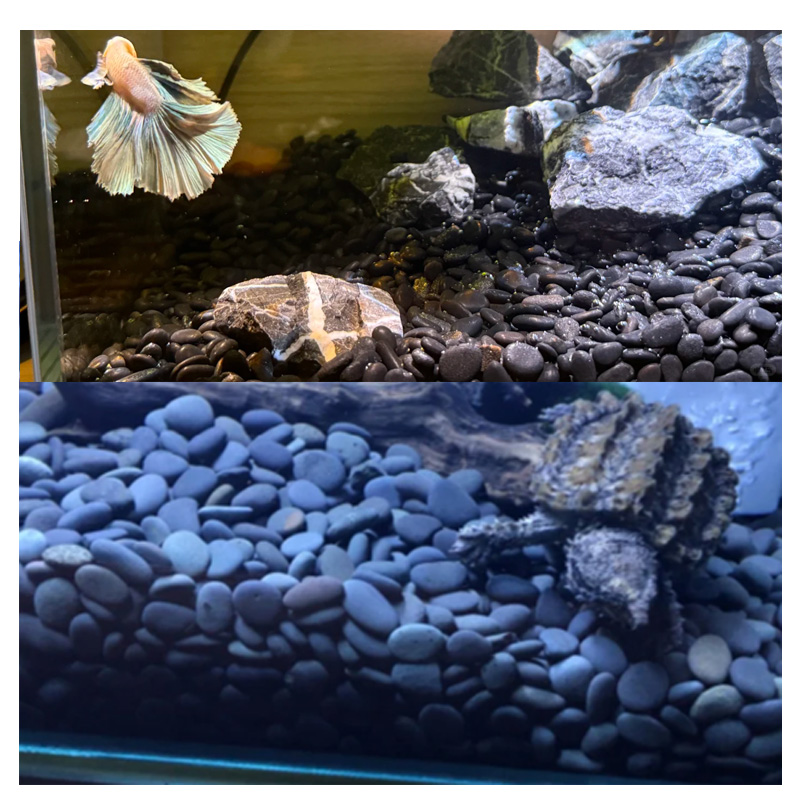
The primary application of Premium Iron Gall Sand is as a substrate in aquarium environments. For fish tanks and turtle tanks, the smooth, rounded granules provide a safe, comfortable bottom surface that supports natural behaviors. The dark coloration creates a sophisticated aesthetic that makes fish colors appear more vibrant, while the stable water chemistry supports healthy aquatic life.
For planted aquariums, the mineral-rich composition of iron gall sand provides essential nutrients for root development and overall plant health. The substrate supports plant root anchorage while the porous surface allows oxygen and nutrients to reach the root zone. In native-style and South American-style aquariums, the natural black appearance of the substrate creates authentic biotope environments that replicate natural habitats. For stream aquariums, the substrate provides a natural-looking bottom that complements flowing water and riverine aesthetics.
Landscape Design and Outdoor Applications
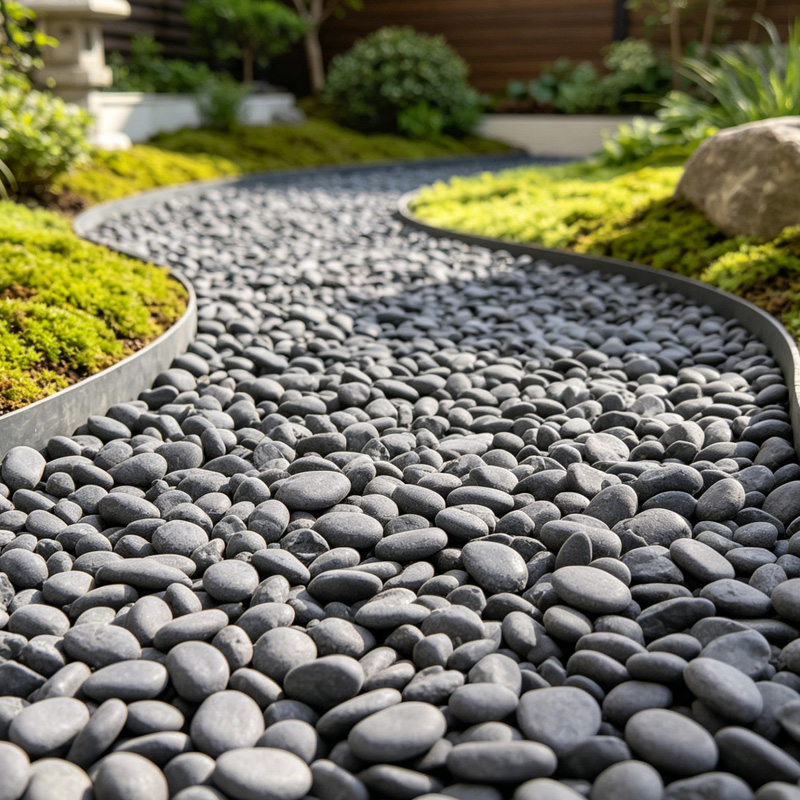
Beyond aquarium use, iron gall sand serves as a versatile decorative aggregate in landscape design. For courtyard paving and flower bed surfacing, the black granules create striking visual contrast with green foliage and colorful blooms. The material's durability and weather resistance make it suitable for outdoor applications where long-term performance is essential.
In artificial rockeries and water features, iron gall sand provides a natural-looking base that complements stone and water elements. For decorative pond landscaping, the substrate adds visual interest and provides a stable bottom surface that does not cloud water. The material's permeability also supports healthy drainage in landscape applications.
Construction Materials
In the construction sector, iron gall sand serves as a high-quality aggregate for various applications. For permeable pavement, the angular particles create surfaces that allow water to infiltrate, reducing runoff and supporting groundwater recharge. The mechanical interlocking of the particles provides stable, durable surfaces capable of supporting pedestrian and light vehicle traffic.
As washed stone aggregate, the material adds visual distinction to exposed aggregate finishes. For landscape filter layers and septic tank filter media, the consistent size and clean surface ensure reliable flow rates and effective filtration. The material's chemical stability and resistance to degradation make it suitable for long-term use in demanding environments.
Interior Decoration
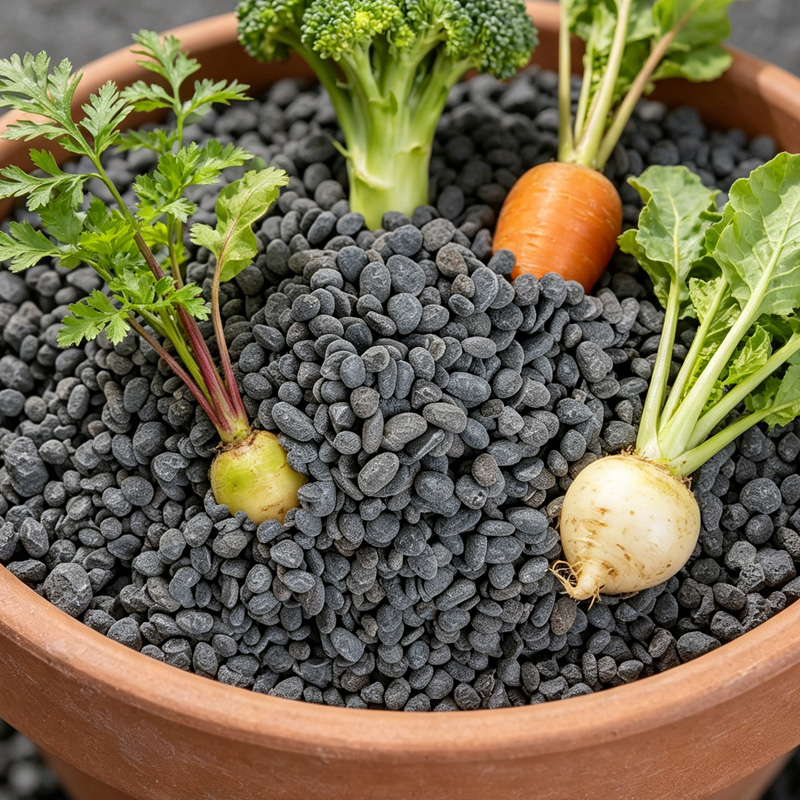
In interior design applications, iron gall sand adds sophisticated texture and visual interest to residential and commercial spaces. As flower pot paving and surface dressing for container plants, the black granules create a refined, finished appearance that elevates plant presentation. The material helps retain soil moisture by reducing surface evaporation while preventing soil splatter during watering.
For miniature landscapes and tea table landscaping, the substrate provides a natural, textural foundation that complements ceramic vessels, bonsai, and other decorative elements. In hotel decorative items and commercial displays, the sophisticated black appearance adds a contemporary, elegant touch that enhances brand identity and customer experience.
1. What is iron gall sand?
Iron gall sand is a natural, black, hard mineral granule. It is hard and does not crumble, is rich in iron, and is slightly acidic. It is a substrate specifically designed for aquascaping and fishkeeping.
2. What are the differences between iron gall sand, expanded clay pebbles, and volcanic rock substrates?
Expanded clay pebbles have many pores and easily trap waste; volcanic rock is relatively sharp and can easily scratch fish and shrimp; iron gall sand has a smooth surface that won't scratch fish, and it never crumbles. It only lacks fertility and is primarily used for aquascaping and stabilizing water quality.
3. Will iron gall sand change the pH or harden the water? What type of tank is it suitable for?
It is stable, neutral, and does not harden or acidify the water; it is suitable for South American tanks, native tanks, stream tanks, goldfish tanks, shrimp tanks, and can also be used in planted aquascaping.
4. How thick should iron gall sand be? How should it be laid for fishkeeping and planted aquascaping respectively?
For simple aquascaping with fish, use 2-3cm of iron-rich sand; for planting aquatic plants, use 4-6cm. Pure iron-rich sand contains no nutrients, so it's recommended to add aquatic plant soil to the bottom or add liquid fertilizer regularly.
5. Can I keep crystal shrimp, ornamental shrimp, or small tropical fish in iron-rich sand?
Absolutely. The smooth surface won't hurt shrimp legs or fish scales, and it stabilizes water quality, preventing algae blooms. Regularly remove waste to prevent debris buildup and water quality deterioration.
6. How long can iron-rich sand be used, and can it be reused after a tank remodel?
It's hard and permanently doesn't crumble, so it can be used year-round. After a tank remodel, remove it, clean it thoroughly, and disinfect it by sun exposure; it can then be reused with minimal loss.


Building 3, Block H, Poly Garden, Chang'an District, Shijiazhuang City, Hebei Province
Copyright © 2026 by Hebei Guangchengze Import And Export Trading Co., Ltd. | Privacy policy
 EN
EN