Home > Products > Glass Sand
Product Name: Garnet Sand
Brand: GCZ
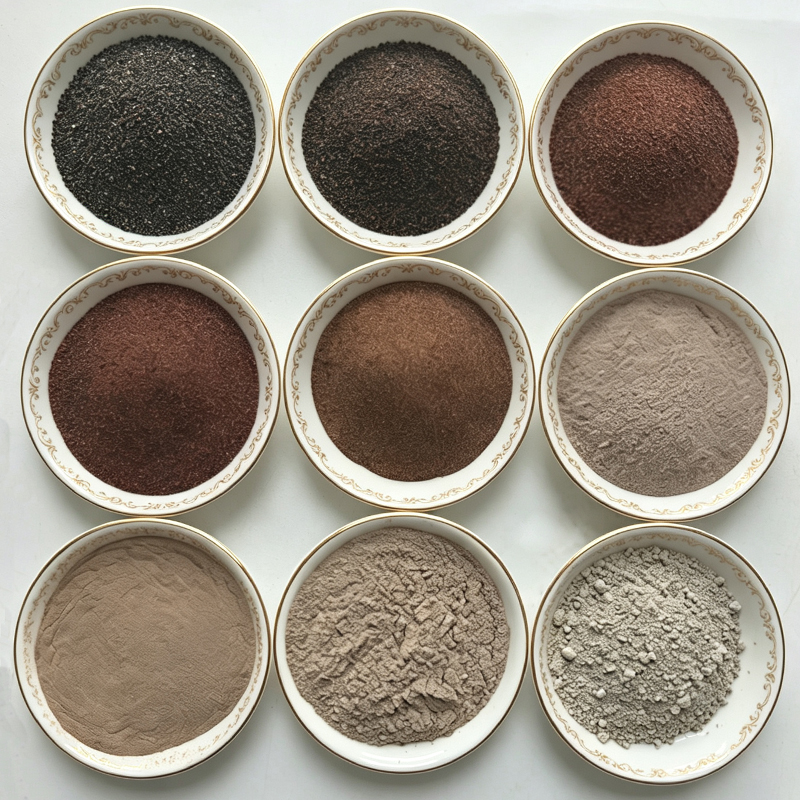
Size: W7, W14, W28, 100 mesh, 80 mesh, 60 mesh, 30-40 mesh, 20-30 mesh
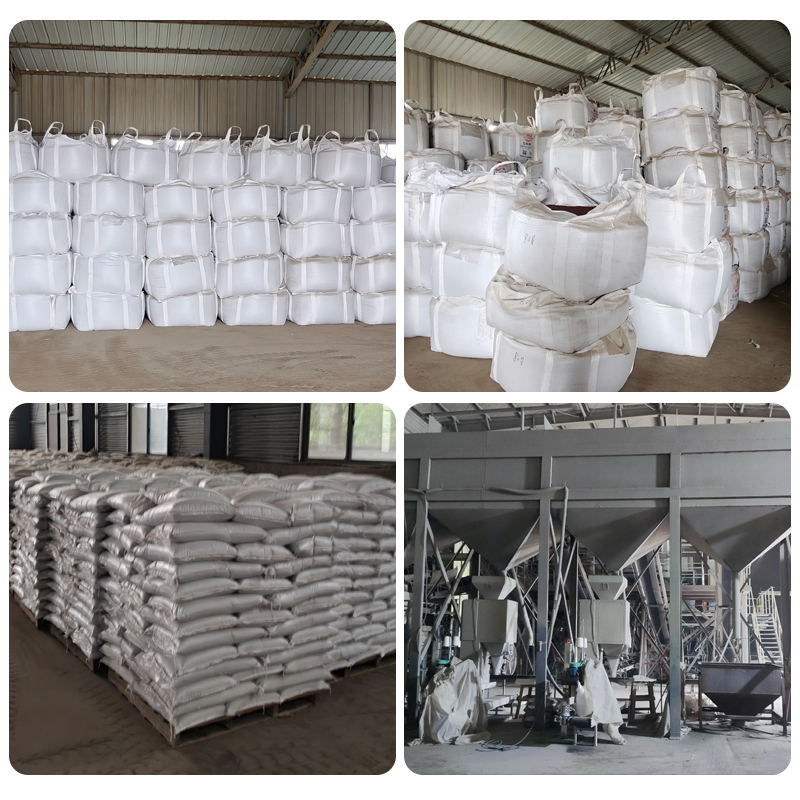
Packaging: Ton bags / Woven bags / Customized
Logo: Customizable
Samples: Available
Minimum Order Quantity: ≥1,000 kg
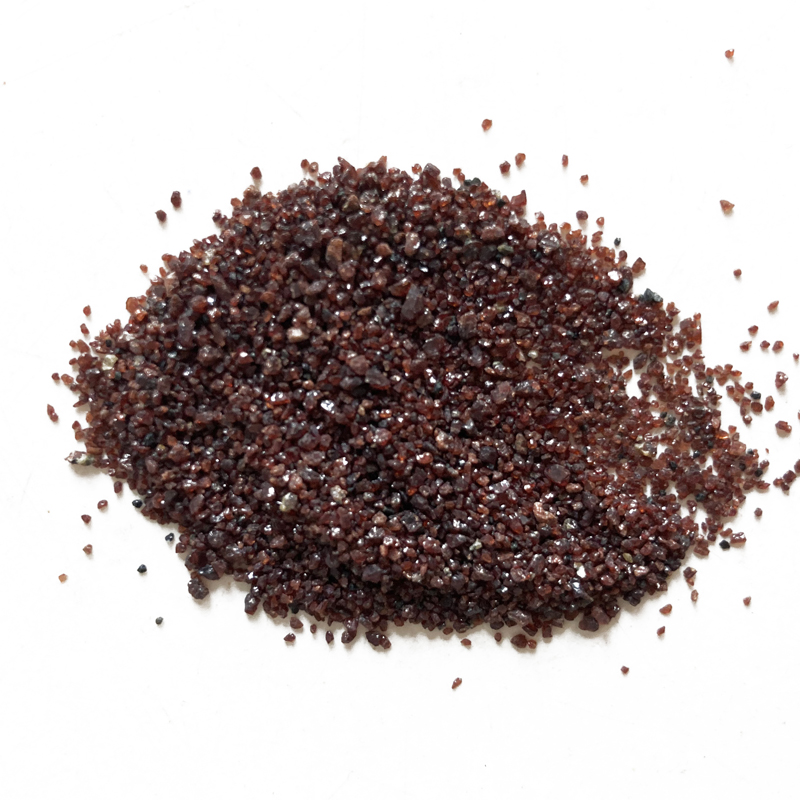
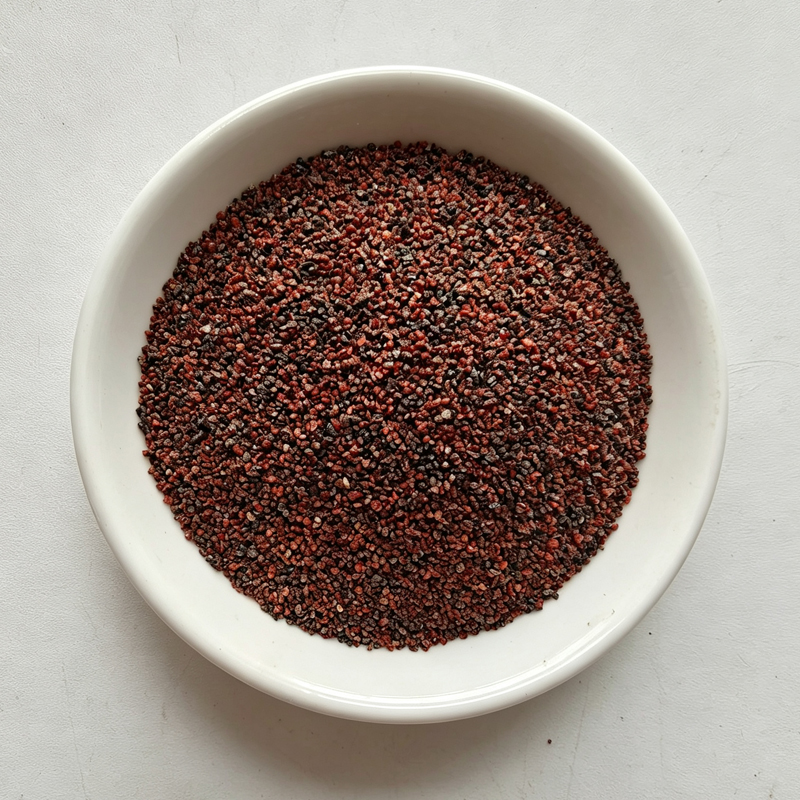
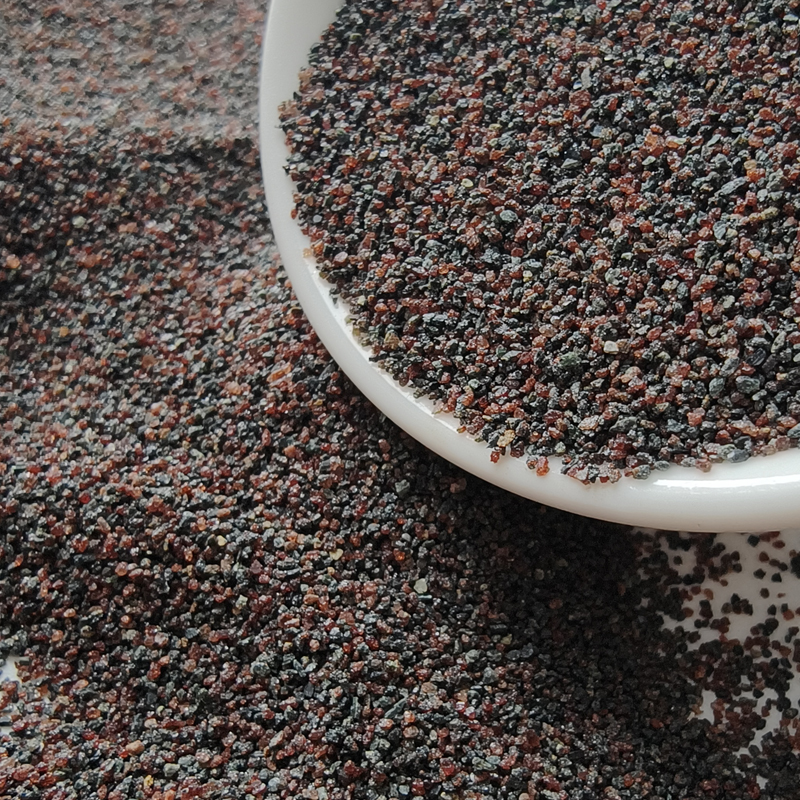
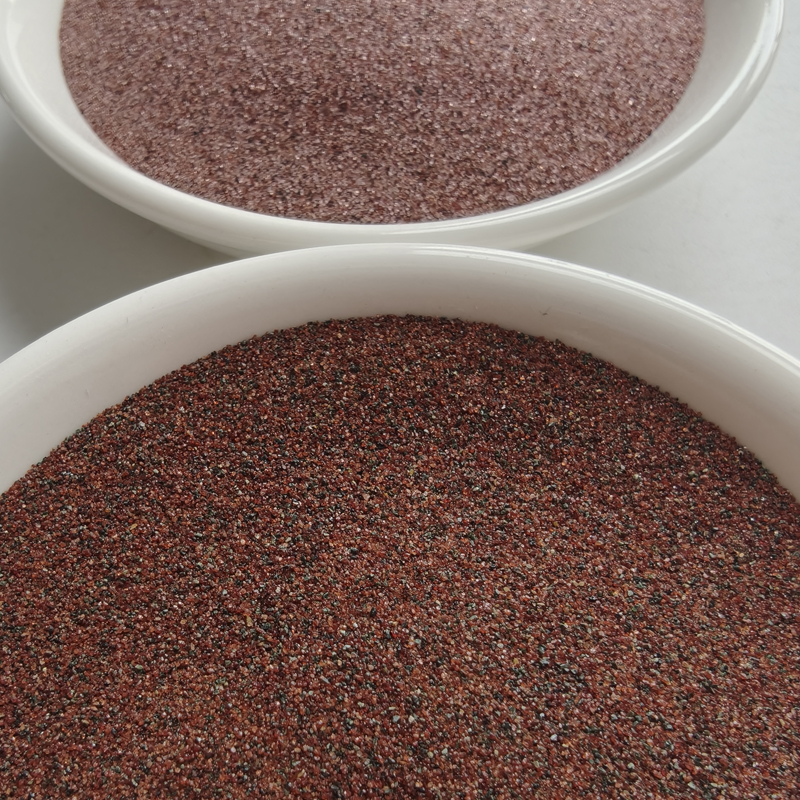
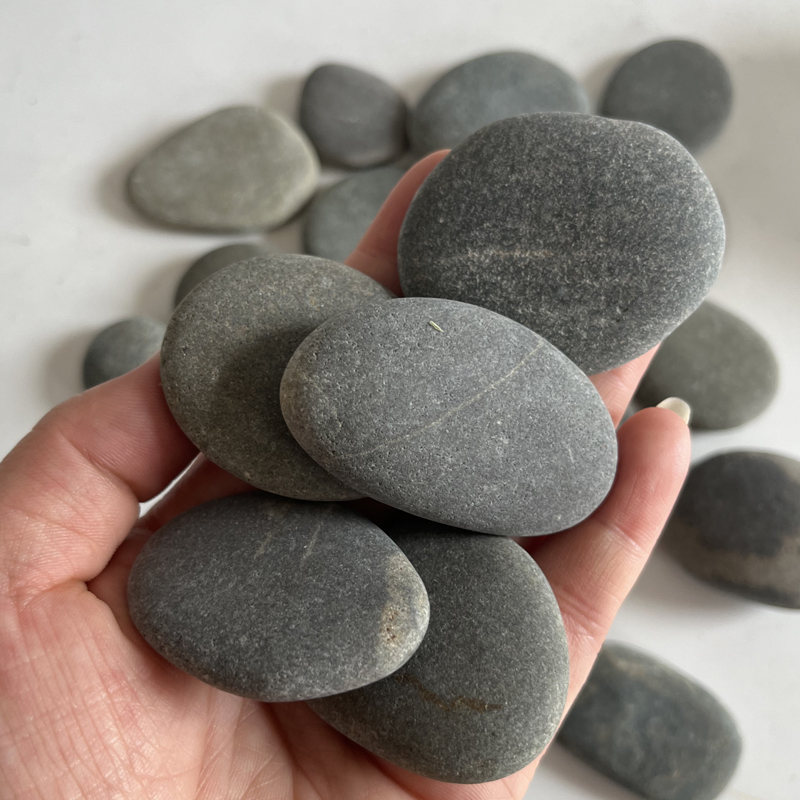
Garnet sand is produced by crushing and screening natural garnet ore. It consists of fine particles in rich shades of wine-red and dark brown, featuring uniform grain size and moderately angular shapes. Processed through water washing to remove impurities and multi-stage screening, the material is free from dust and clumping. Characterized by high hardness and low iron content, it is an eco-friendly, wear-resistant natural non-metallic abrasive available in a variety of coarse and fine specifications.
| Specification | Value |
|---|---|
| Product Name | Garnet Sand |
| Brand | GCZ |
| Size | W7, W14, W28, 100 mesh, 80 mesh, 60 mesh, 30-40 mesh, 20-30 mesh |
| Packaging | Ton bags / Woven bags / Customized |
| Logo | Customizable |
| Samples | Available |
| Minimum Order Quantity | ≥1,000 kg |
High hardness and strong cutting power: Natural garnet offers moderate hardness and high efficiency in grinding, sandblasting, and rust removal, rapidly stripping away rust, mill scale, and coatings; its low consumption rate makes it far more cost-effective than ordinary river sand.
Dust-free and eco-friendly: Free of free silica, it poses no risk of silica dust during blasting operations and generates no toxic dust, meeting environmental standards for industrial production.
Chemically stable: Resistant to acids and alkalis, insoluble in water, and stable when submerged (with no leaching of harmful substances), making it suitable for both dry and wet working conditions.
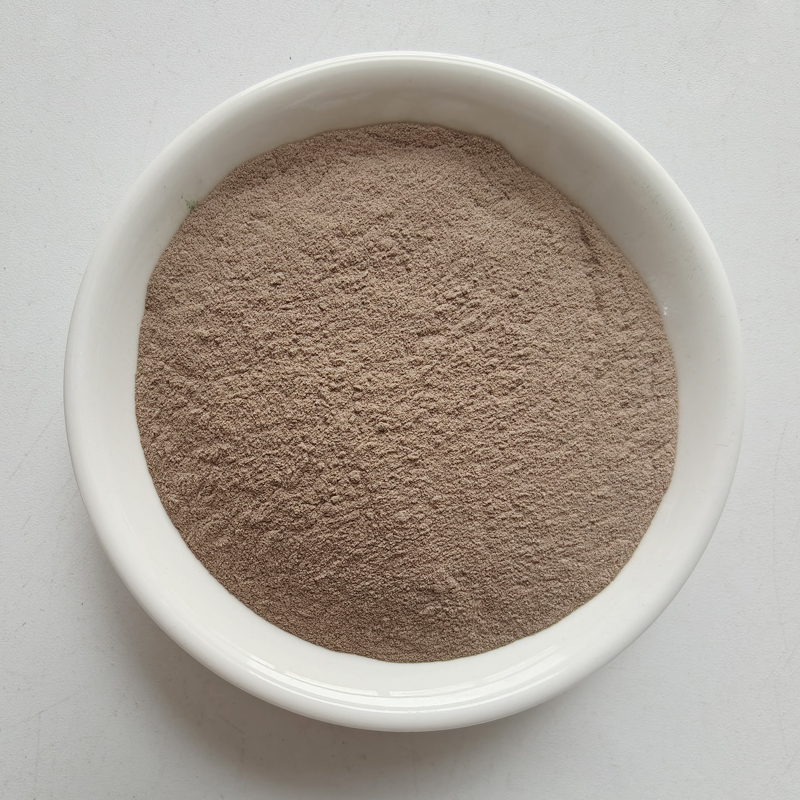
Comprehensive grading to meet diverse needs: Fine sand is suitable for use as filtration media or for precision polishing, while coarse sand is ideal for heavy-duty rust removal, stone cutting, and similar applications.
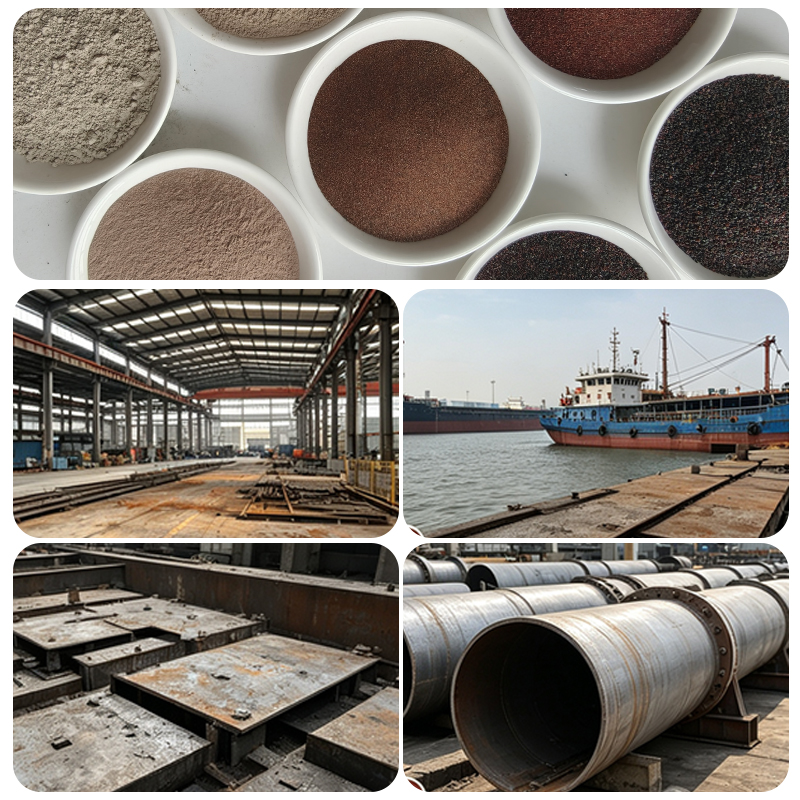
Industrial abrasive blasting for rust removal: Surface rust removal, descaling, and old paint stripping for ships, steel structures, containers, pipelines, molds, and hardware components; serves as a substitute for silica sand.
Specialized abrasive for waterjet cutting: Abrasive media for waterjet cutting of metal, stone, glass, and ceramic tiles; ensures smooth, burr-free cut surfaces and high cutting precision.
1. Is garnet sand synthetic? Is its composition safe?
It is produced by crushing and screening natural garnet ore; it contains no free silica or toxic/hazardous substances, is environmentally compliant, and poses no silica dust hazards during blasting operations.
2. Why does the color vary, and why are there small black specks?
These are naturally occurring associated minerals; this is a normal characteristic and does not affect performance in applications such as sandblasting, filtration, or landscaping.
3. Can garnet sand be reused after blasting?
Intact granules can be recovered via screening and reused 3–5 times, effectively reducing consumable costs; fine dust and powder can simply be discarded.
4. What mesh size is suitable for rust removal on steel structures?
Coarse sand (30–60 mesh) is suitable for large-scale rust removal on ships, steel structures, and heavy workpieces; fine sand (80–120 mesh) is used for precision blasting on hardware and molds.
5. Is garnet sand required for waterjet cutting?
It is the standard abrasive for this process; its moderate hardness ensures smooth cut surfaces free of edge chipping or burrs, making it suitable for cutting various materials such as metal, glass, ceramic tiles, and stone.
6. Will a large amount of sand break apart during transport?
The packaging is secure, and natural garnet has high toughness; a small amount of fine powder is normal (residual from screening) and does not affect overall usage.

Building 3, Block H, Poly Garden, Chang'an District, Shijiazhuang City, Hebei Province
Copyright © 2026 by Hebei Guangchengze Import And Export Trading Co., Ltd. | Privacy policy
 EN
EN