Brand: GCZ
Product Name: Hollow glass microspheres
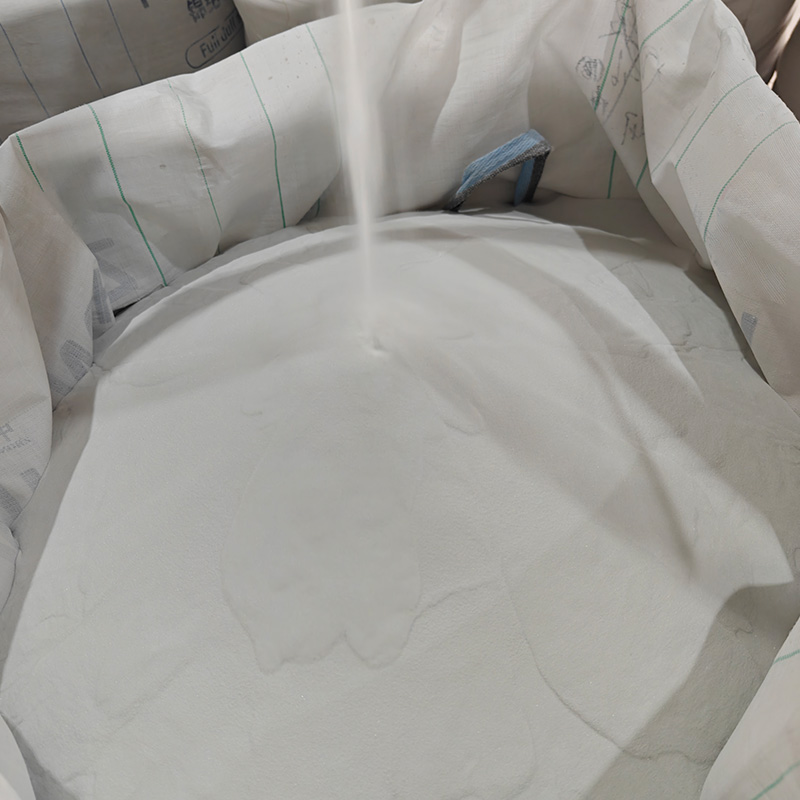
Packaging: Woven Bags / Bulk Bags / Custom Packaging
Logo: Customizable
Samples: Available
Minimum Order Quantity: 1000 kilograms>=
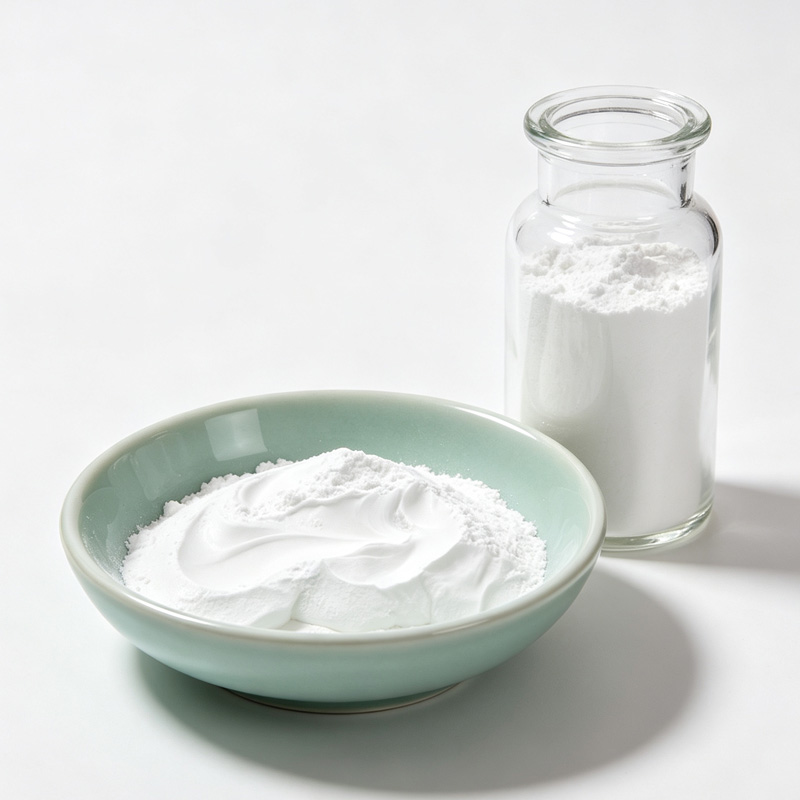
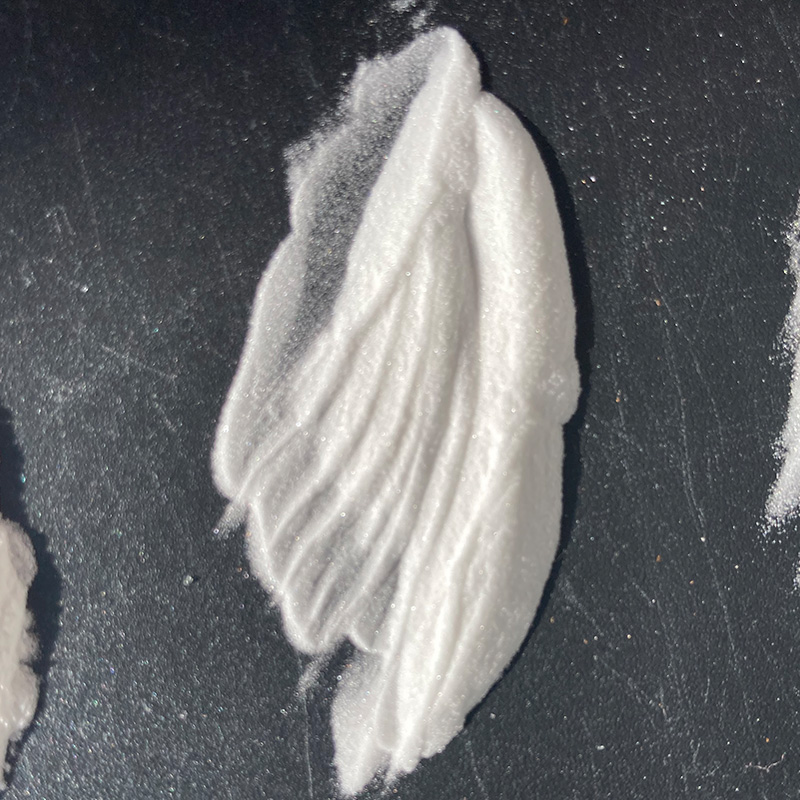
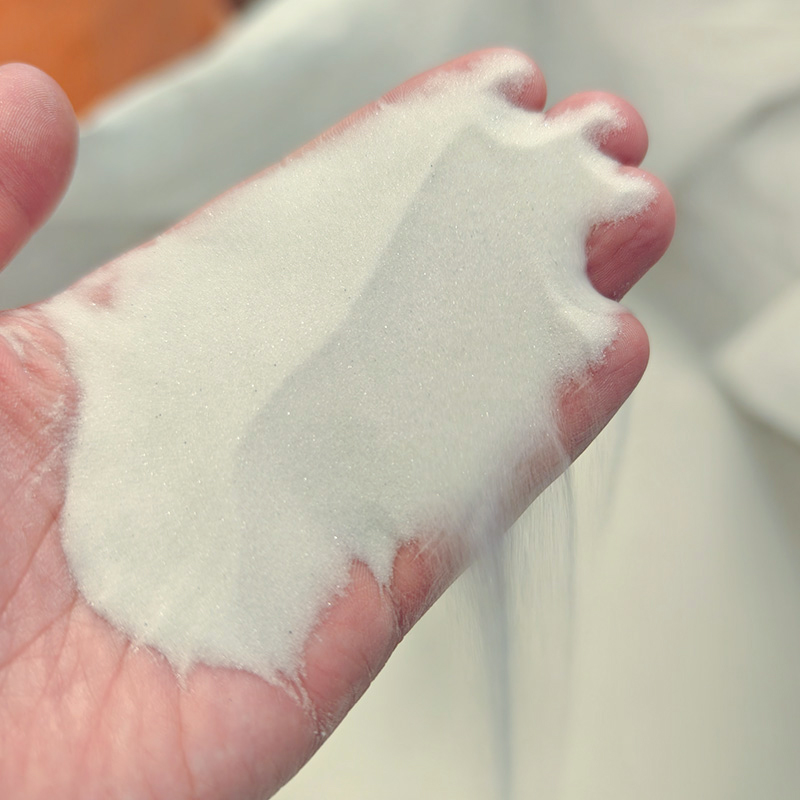
Hollow glass microspheres are high-performance, lightweight, inorganic spherical powders manufactured from borosilicate glass using a high-temperature melting and blowing process. The particles consist of tiny, sealed, hollow glass spheres; they appear as a fine, white powder with smooth, rounded surfaces. Key advantages include low density, controllable compressive strength, and chemical inertness, with a range of specifications available regarding particle size, density, and pressure resistance. As lightweight functional fillers, they can be incorporated into various matrix systems—such as epoxy resins, plastics, coatings, engineered stone, and adhesives—to reduce the weight of the finished product while enhancing thermal and acoustic insulation, minimizing curing shrinkage, and improving dimensional stability. They are widely used in applications such as engineered stone, thermal insulation coatings, composite materials, and buoyancy components, with options ranging from laboratory samples and small-batch DIY purchases to large-scale industrial orders.
⚠️ Important Note: This product is a fine powder; appropriate dust protection measures are recommended during handling. Particle size, density, and compressive strength vary by model. The microspheres are made of brittle material and may fracture under extreme pressure or intense, high-speed shear impact.
| Specification | Value |
|---|---|
| Product Name | Hollow glass microspheres |
| Brand | GCZ |
| Packaging | Woven Bags / Bulk Bags / Custom Packaging |
| Logo | Customizable |
| Samples | Available |
| Minimum Order Quantity | 1000 kilograms>= |
· Lightweight hollow structure for significant weight reduction: Composed of sealed, hollow glass spheres with a density far lower than conventional mineral fillers; incorporating them into formulations drastically lowers the overall specific gravity and weight of the finished product, thereby saving on raw material costs.
· Perfectly spherical shape with excellent flow and dispersion: Uniform spherical particles with a low coefficient of friction ensure smooth dispersion within resin and coating systems; high loading rates effectively minimize material shrinkage and deformation while enhancing the surface finish of the final product.
· Chemical stability and corrosion resistance: Based on borosilicate glass, these spheres resist weak acids and alkalis, do not absorb water, are insoluble in most organic solvents, and are chemically inert toward matrix materials, ensuring stable performance over long-term use.
· Thermal/acoustic insulation and electrical insulation: The sealed air pockets within the spheres provide effective thermal insulation and sound absorption, combined with excellent electrical insulation properties, making them an ideal filler for thermal insulation products.
· Controllable compressive strength grades: Available in various pressure-resistance ratings to suit specific production requirements, making them compatible with diverse processing methods such as engineered stone molding, coating application, and resin casting.
· Flexible supply options: Available in small trial packs and retail-sized packaging, as well as for large-scale industrial orders; samples can be provided for customer formulation testing.
1. Thermal Insulation and Industrial Coatings
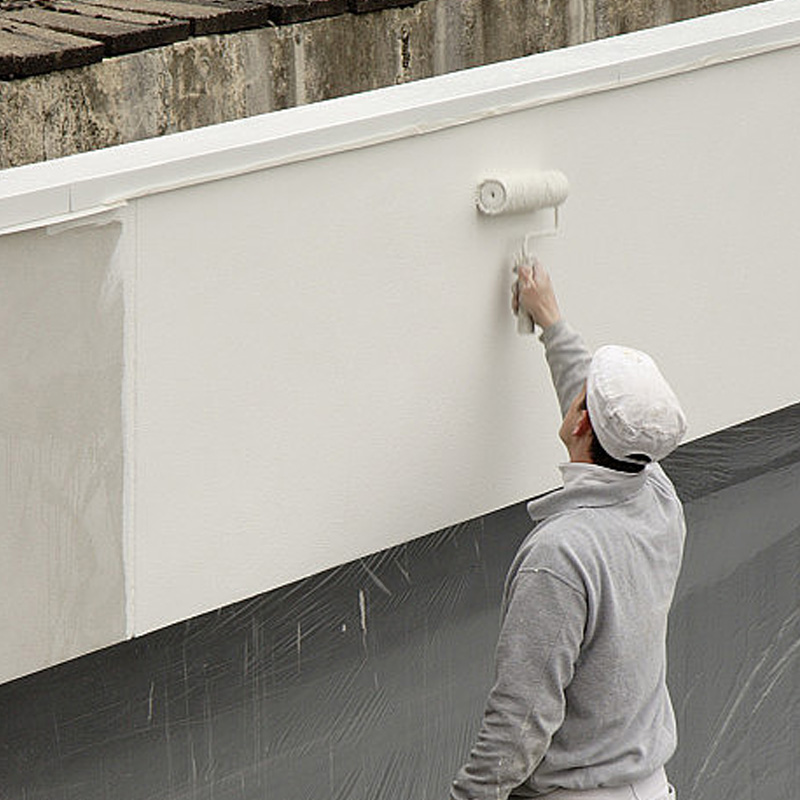
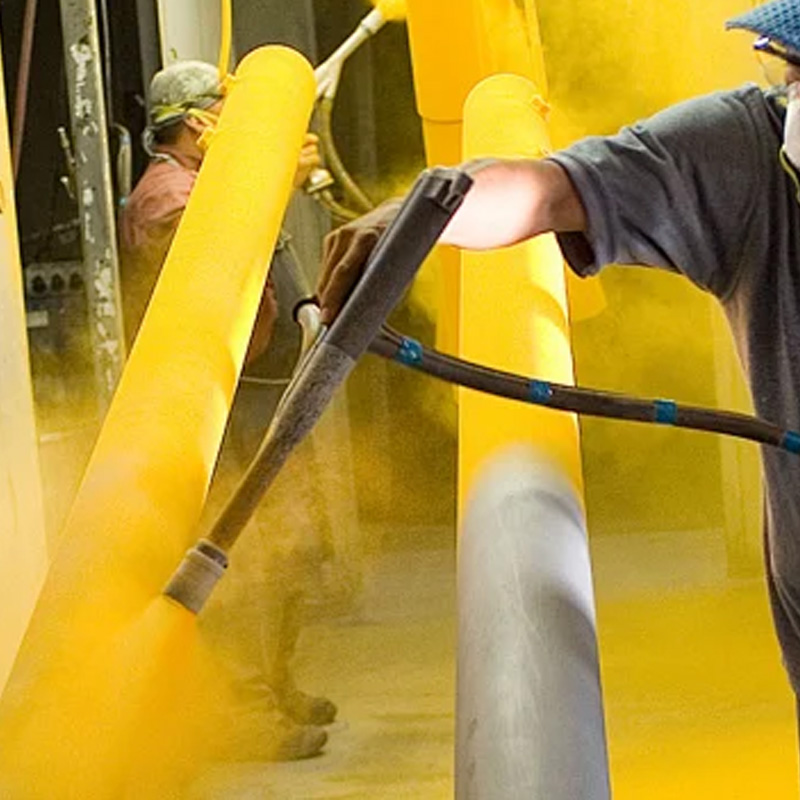
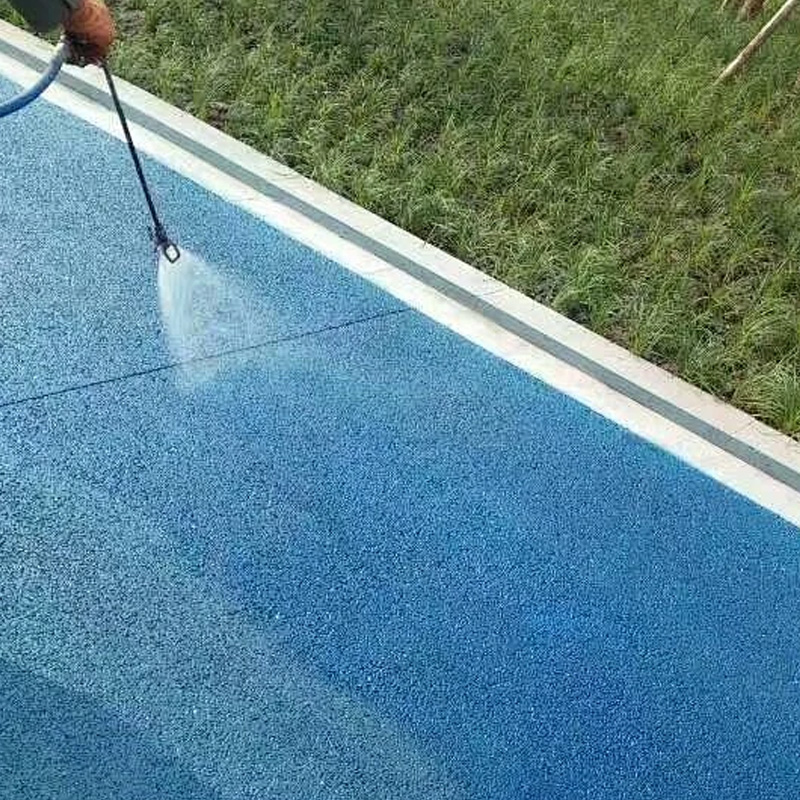
Thermal insulation coatings, fire-retardant coatings, and industrial primers; used to reduce coating density, provide thermal and acoustic insulation, and enhance the paint film's resistance to shrinkage and scratching.
2. Composite Materials and Plastic Modification
SMC/BMC molding compounds and various lightweight plastic components; used to reduce product weight, improve dimensional stability, and minimize deformation.
3. Buoyancy Materials
Marine floats and deep-sea buoyancy modules; utilizing low-density properties to manufacture pressure-resistant buoyancy components.
4. Sealants and Adhesives
Fillers for epoxy resins and sealants; used to reduce curing shrinkage and improve the material's thermal insulation and cushioning properties.
1: How does it handle acids and alkalis?
Borosilicate glass offers excellent chemical stability and resists weak acids and alkalis; however, hydrofluoric acid and high-temperature, concentrated strong alkalis can corrode the glass shell, so use in such extreme environments is not recommended.
2: The product is a powder; are protective measures required during use?
As this product is a fine powder, we recommend maintaining good ventilation in the work area and wearing a dust mask and safety goggles to avoid inhaling large amounts of dust.
3: Can it be used in the production of engineered stone or resin-bonded stone?
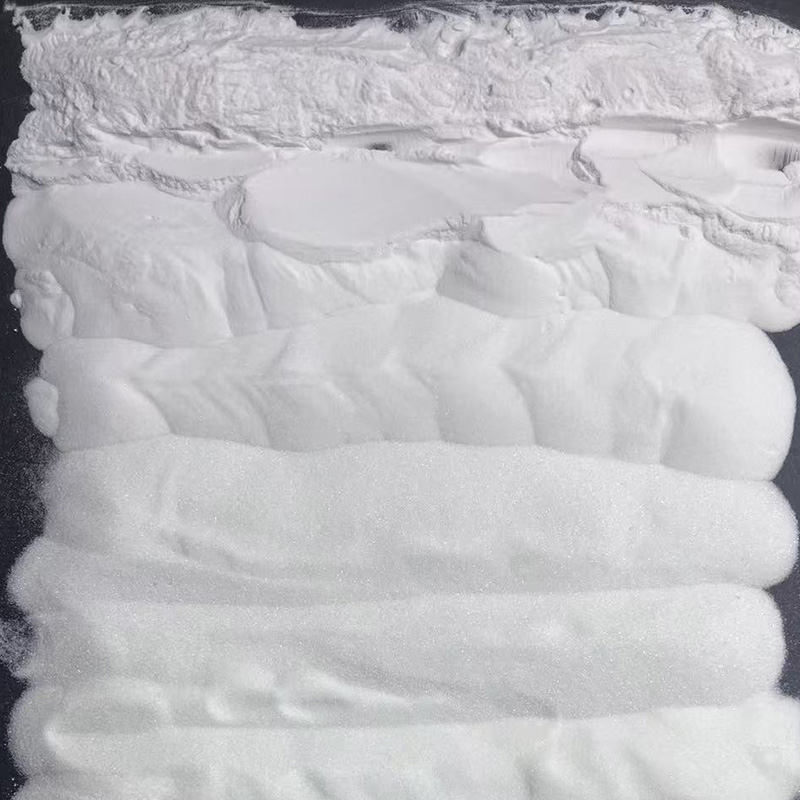
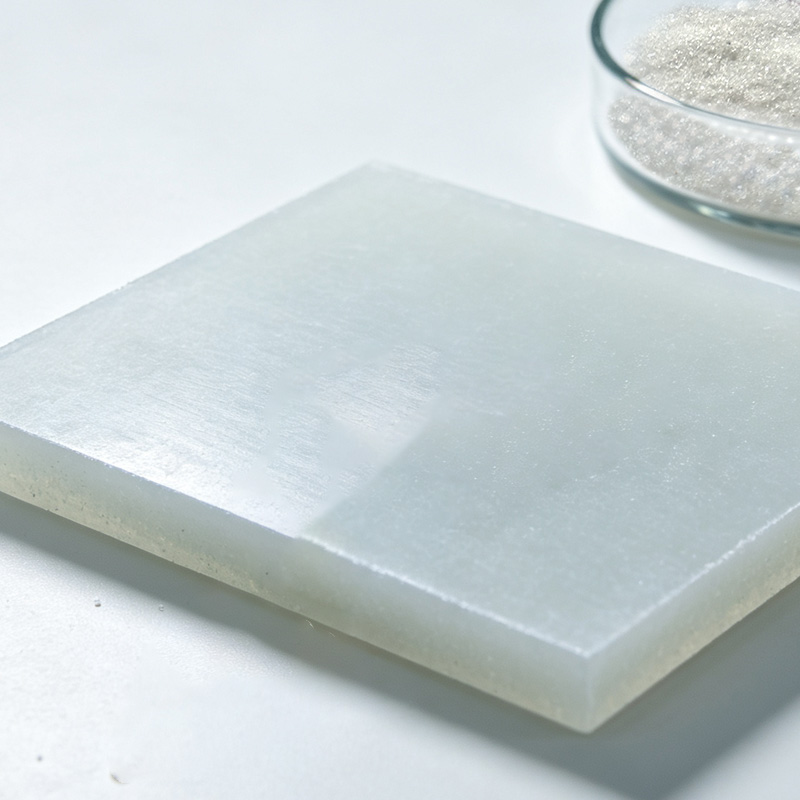
Yes, it is highly suitable. It is a mainstream lightweight filler in the resin-based engineered stone industry, effectively reducing product weight, minimizing shrinkage during curing, and improving the thermal insulation properties of the finished product.
4: Can samples be provided for formulation testing? Do you support large-scale industrial orders?
We can provide small samples for formulation testing and support large-scale industrial procurement. We can also match specific models to your requirements regarding density and compressive strength ratings.
5: What is the key difference between hollow glass microspheres and solid glass microspheres? How should I choose the right type?
A: The key difference lies in their intended function: hollow microspheres excel at lightweighting, thermal insulation, weight reduction, and shrinkage prevention, making them suitable for coatings, engineered stone, resins, and insulation materials. Solid glass microspheres excel at wear resistance, reflectivity, sandblasting/polishing, and increasing hardness. Choose hollow microspheres for weight reduction and insulation, and solid microspheres for wear resistance and enhanced brightness.
6: Why do the microspheres tend to break during mixing? How can breakage be prevented?
A: Hollow microspheres are brittle; high-speed shear mixing, high-pressure grinding, or forceful compression can cause their walls to rupture. We recommend using low-speed mixing and adding the microspheres at a later stage of the mixing process. Avoiding high-speed homogenization and prolonged grinding helps preserve the microspheres' intact hollow structure to the greatest extent possible.

Building 3, Block H, Poly Garden, Chang'an District, Shijiazhuang City, Hebei Province
Copyright © 2026 by Hebei Guangchengze Import And Export Trading Co., Ltd. | Privacy policy
 EN
EN